Social long-ride cyclists
If you expect to stop and share food on a ride lasting more than about 90 minutes, chocolate can be one planned snack. Keep your wider food and drink plan separate from the decision to bring a sharing bag.


A chocolate sharing bag can work as a snack for a relaxed ride stop or a group share, but do not assume it will cover a longer ride’s planned fuelling needs. British Cycling says rides up to about 90 minutes generally do not require additional fuel; for longer exercise, compare carbohydrate per portion with your plan, then choose wrappers or pre-portioned pieces according to when you expect to eat.
If you expect to stop and share food on a ride lasting more than about 90 minutes, chocolate can be one planned snack. Keep your wider food and drink plan separate from the decision to bring a sharing bag.
Individually wrapped bars give you units to count. Loose bites can also be divided before you leave; an open sharing block is harder to measure during a ride.
For a café stop or post-ride gathering, a block, bag of buttons or multipack may suit the way you plan to share. Check the exact pack’s ingredients and allergen information for everyone who may eat it.
Decide whether the chocolate is for eating during the ride or sharing at a stop. Then compare portions, nutrition information and the exact pack label.
| Priority | What to check | Your needs |
|---|---|---|
| Ride length | British Cycling says additional fuel is generally unnecessary for rides up to about 90 minutes. For longer exercise, compare your planned intake with the around 60–90 g carbohydrate-per-hour guidance published by Science in Sport. | For a shorter ride, I may want chocolate to share at the finish rather than as ride fuel. On a longer ride, I need to plan food rather than rely on the size of the bag. |
| Portions | Look for a stated amount per bar or serving. Wrapped bars can be counted; divide loose pieces or a block before setting off if measured portions matter. | I want to know what I have packed and how much I eat, without estimating from an open bag during a ride. |
| Carbohydrate and fat | Read both values for the same labelled portion, not just the total pack weight. The cited UK listing for Cadbury Dairy Milk Buttons states 14 g carbohydrate per 25 g serving; other products and serving sizes differ. | Chocolate is one possible snack in my plan, so I want the amount in a usable portion before deciding how much to carry. |
| Handling | Consider whether you will eat at a stop and whether the pieces need breaking or dividing. British Cycling notes that regular snacking while riding can be challenging. | At a planned stop, I can open and share a larger pack. If I need separate portions, wrappers or a container may be easier to manage. |
| Allergens | Check the ingredients, allergen declaration and precautionary wording on the exact flavour and pack. A mixed assortment needs a check of every included product. | When sharing with others, I need to know whether each person can eat the pieces offered; I cannot assume every chocolate in a mixed bag has the same ingredients. |
Pack weight does not tell you the carbohydrate in a portion you will actually eat. Mars lists 13 g carbohydrate for one 18 g Fun Size bar, while Science in Sport gives an around 60–90 g carbohydrate-per-hour guide for exercise over 90 minutes; those figures should not be treated as a recommendation to eat enough chocolate to reach that range.
Read carbohydrate per labelled portion and plan the rest of your food and drink separately.
Opening and dividing loose pieces can make it difficult to keep track of portions or handle the snack safely during a ride.
Divide the bag before leaving, or keep it for a stop. Choose separate bars when counting pieces is more important.
Chocolate portions contain other nutrients too. The cited Cadbury Dairy Milk Buttons listing gives 7.6 g fat per 25 g serving, while Galaxy states 7.0 g fat for a labelled 21.5 g portion; neither figure describes every product in the range.
Compare carbohydrate and fat for the same serving size, and try any planned ride snack before an event rather than introducing a large amount on the day.
The Mars mixed fun-size pack listed by Tesco contains products with different ingredients, including a Snickers piece with peanuts. A piece that suits one rider may not suit another.
Check the exact pack and each included product before sharing, particularly when anyone has an allergy or intolerance.
Dairy Milk Buttons offer loose pieces for a planned stop or for dividing before a ride.
The Smooth Milk Chocolate block is a sharing format for a stop or gathering.
Fun Size multipacks suit riders who want separate pieces to distribute.
A peanut-containing option in the cited Mars mixed fun-size pack.
A biscuit-and-caramel piece in the cited mixed fun-size pack.
Its 99 g Milk Chocolate Sharing Bar is a breakable option for off-bike sharing.
These multipacks and sharing pouches offer different ways to divide chocolate for a ride stop or group share. Check the portion and allergen information for the particular pack before choosing one for your plans.
 No image available
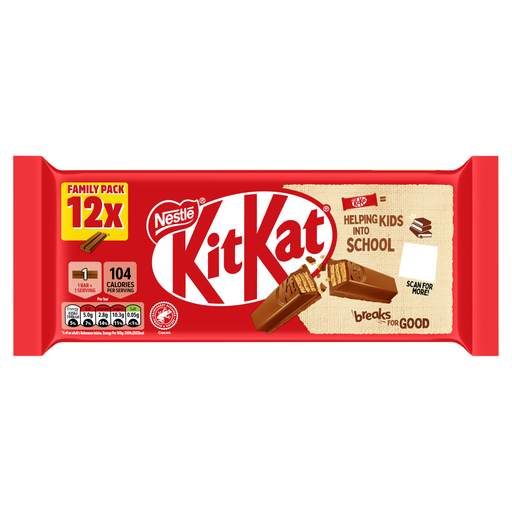
Twelve individually wrapped bars provide separate portions to pack or share at a stop. Product information states 12.9 g carbohydrate and 5.0 g fat per 20.7 g bar; use those amounts to assess a bar within your wider ride plan. Contains milk and wheat.
 No image available
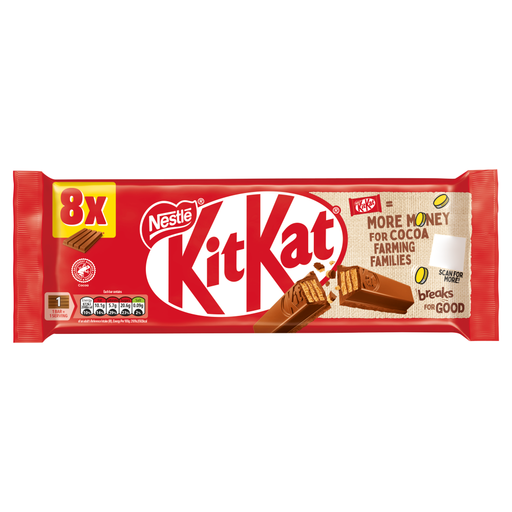
Eight individually wrapped four-finger bars can be divided between riders for planned breaks. If you need to track intake by bar, check its pack label: the available nutrition reference is per 100 g. Contains wheat, milk and soya; may contain nuts.
 No image available
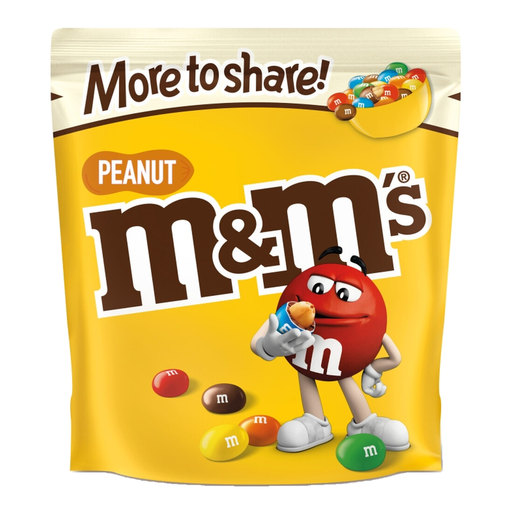
This sharing pouch suits a planned stop or portions divided before leaving. Its stated 40 g portion contains 24 g carbohydrate and 11 g fat; check the pack if you need to measure smaller portions. Contains milk, peanuts and soya, so it is not suitable for someone with a peanut allergy.
 No image available
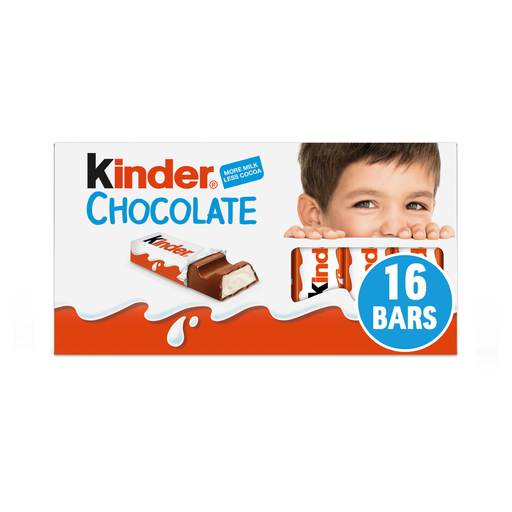
Individually wrapped mini treats can be separated for sharing at a stop. If the amount eaten matters to your ride plan, check the pack for piece weight and nutrition per piece. Contains milk and soya.
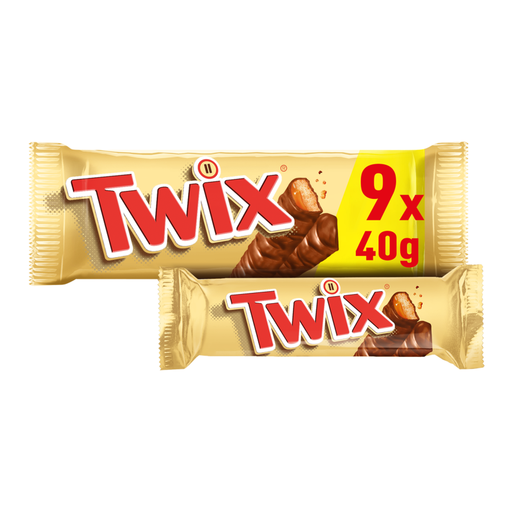 No image available
The 360 g multipack is described as nine 40 g twin packs for dividing among riders or sharing at a stop. Check the pack for nutrition per twin pack and how each one is wrapped if those details affect carrying or portion planning. Contains milk, soya and wheat; may contain cereals containing gluten and nuts.
Not generally for fuelling: British Cycling says additional fuel should not be needed for rides up to about 90 minutes. You can still choose chocolate to share at a stop or afterwards.
Do not assume a sharing bag covers a longer ride’s needs. Science in Sport gives an around 60–90 g carbohydrate-per-hour guide for exercise over 90 minutes; check the chocolate’s carbohydrate per portion against your wider food-and-drink plan rather than using pack weight as a guide.
Individually wrapped bars give you separate units to count, although their sizes and nutrition differ. Divide loose buttons or a block before leaving if you need measured portions, or save them for a stop where counting matters less.
Read the exact pack and check every included product before sharing it. The Mars mixed fun-size pack listed by Tesco includes products containing allergens such as peanuts and wheat; one piece’s ingredients cannot be assumed to apply to the others.