People sharing during a work or travel break
Individually wrapped bars let each person take a separate item without dividing loose chocolate on the spot. If you prefer a pouch, portion the pieces before leaving.


Choose individually wrapped fun-size bars if you need to hand out chocolate during a lunch break; a loose-bite pouch makes more sense if you can portion it before travelling, while a sharing bar works when you will divide it straight away. Whichever format you choose, check the stated serving size, nutrition panel and current allergen information rather than treating the whole sharing pack as one portion.
Individually wrapped bars let each person take a separate item without dividing loose chocolate on the spot. If you prefer a pouch, portion the pieces before leaving.
A sharing pack need not go into a lunch bag whole. Check its stated serving size and servings per pack, then set aside the amount you intend to take.
Check the exact pack and, for a mixed multipack, the relevant individual wrapper. Bars in the same assortment can have different ingredients and allergen declarations.
Start with how you will hand out or portion the chocolate. Then compare labels on a consistent serving basis and check whether each recipient can have the product.
| Priority | What to check | Your needs |
|---|---|---|
| Handing out portions | Check whether items are individually wrapped or loose. For a multipack, check the item count and whether each unit has its own wrapper. | I want to give someone a separate item without opening and dividing a shared pouch. |
| Pack and serving size | Compare pack weight with the stated serving size and number of servings. Decide how you will divide a loose pouch before travelling. | A sharing pack may last beyond one lunch; I want to pack the amount I intend to eat or offer. |
| Nutrition comparison | Compare energy, sugars and saturates on the same basis, such as per 100g or per stated serving. Where present, traffic-light labelling offers another way to compare products, as GOV.UK and the Food Standards Agency explain. | I want to understand what the portion I am taking contains, not compare a whole pack with another product’s single serving. |
| Allergens | Read the current ingredients, highlighted allergens and any precautionary statement. In a mixed pack, check the particular bar being offered rather than relying only on the assortment name. | Before I share chocolate, I need to know whether that exact item is suitable for its recipient. |
Pack weight and stated serving size answer different questions. Tesco lists five 43.4g portions for the 217g Galaxy Minstrels pouch, while its Cadbury Dairy Milk Buttons 100g bag states a 25g serving.
Use the serving panel to compare products, then decide how much to pack or share before leaving.
A mixed pack can contain bars with different ingredients. Tesco’s Mars variety-pack listing identifies milk, peanuts, soya, wheat, barley and eggs among allergens across the assortment.
Show a recipient the current pack or individual wrapper so they can check the particular item.
A loose pouch has to be opened and its pieces divided, whereas Mars describes its 19x18g fun-size bars as individually wrapped.
If separate handouts matter, check the wrapping before buying. Otherwise, portion a pouch in advance or serve it when everyone is together.
Ingredients, nutrition information and allergen declarations can change between purchases.
Make the final check against the physical pack you receive, particularly before sharing with someone who has an allergy.
These examples show how particular products differ in format; a brand name alone does not establish the serving size or allergens of every product it sells.
Cadbury Dairy Milk Buttons is an example of a loose-bite sharing pouch.
Galaxy Minstrels 217g represents a larger loose-bite pouch.
Mars fun-size bars provide an individually wrapped alternative to loose chocolate.
Snickers is a peanut-containing choice within the Tesco Mars variety pack.
Twix offers a biscuit-and-caramel texture within the Tesco Mars variety pack.
The KitKat Milk Chocolate Sharing Bar is a segmented alternative to a sharing bag.
These options include multipacks for dividing between people and loose-bite pouches that you can portion before lunch. Check each pack’s wrapping, serving information and allergens for the way you plan to share it.
 No image available
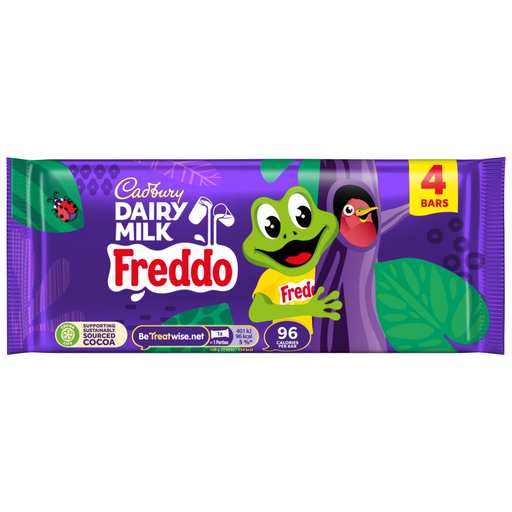
Four bars provide separate treats to hand out at lunch; the product information describes them as individually foil-wrapped. The pack weighs 72g in total. Check the current label for milk and possible nut traces, and use the pack’s per-bar information if you need to compare individual portions.
 No image available
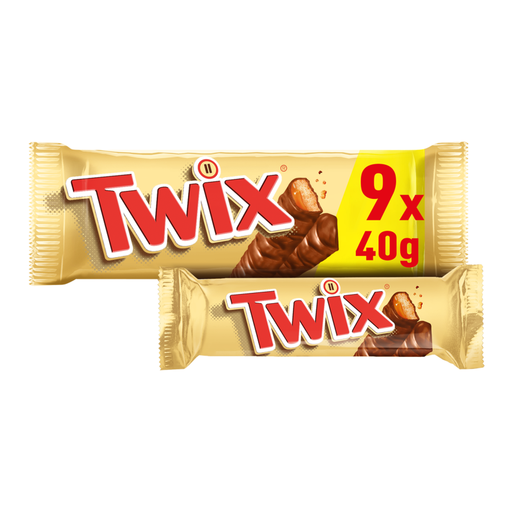
Nine 40g twin packs give you multiple units to divide between lunch occasions or recipients. If you need sealed handouts, confirm the wrapping of each twin pack before buying. Check the current label for milk, soya, wheat and any precautionary allergen statement.
 No image available
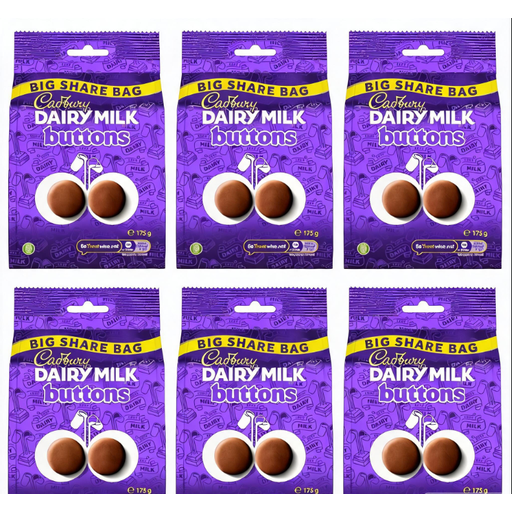
Six 175g bags offer loose chocolate buttons for sharing or portioning before travel. The buttons are not individually wrapped, so set aside portions if you do not plan to open a bag at lunch. Check the current pack label for milk and serving information.
 No image available
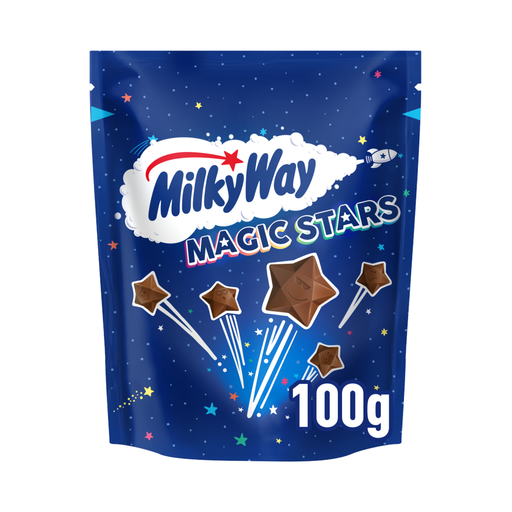
This 100g pouch contains bite-size pieces to divide before lunch or serve together. Check the pack’s serving panel if you want to compare a portion with another product. The product information identifies milk and soya and lists possible peanut, almond and hazelnut traces; confirm the current label before sharing.
 No image available
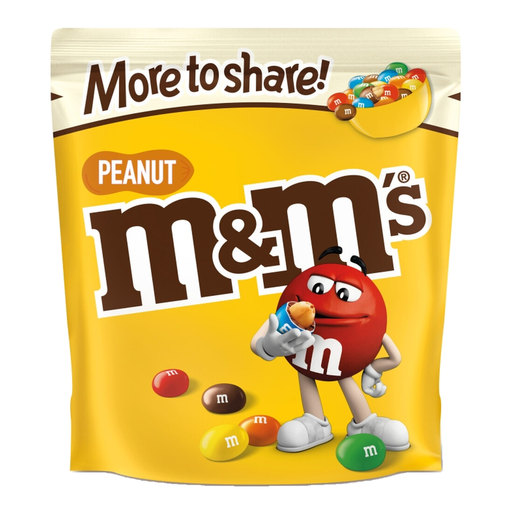
The 200g pouch is a loose-piece option to divide among several people or portion in advance. Its pieces are not individually wrapped. The product information identifies milk, peanuts and soya, so check the current label before offering it to anyone who must avoid those ingredients.
A sharing-bag label describes the pack, not a single serving. Check the stated serving size and servings per pack, then decide how much to take rather than assuming the whole bag is one portion.
Start with serving size and servings per pack, then compare energy, sugars and saturates on the same basis. GOV.UK and the Food Standards Agency explain that traffic-light labels, where provided, can also help you compare food products at a glance.
No. The total-sugars figure on a label is not a direct measure of free sugars. Use the stated figure when comparing products on the same basis, but do not treat it as a free-sugars total.
Check the current ingredients, highlighted allergens and any precautionary statement for the exact item you will offer. This matters particularly with mixed packs: Tesco’s Mars variety-pack listing identifies several different allergens across the assortment.
Yes. Ingredients, nutrition details and allergen information can change, so check the physical pack you receive before eating or sharing it.