Runners planning food for long runs
If you intend to eat during a run, you need to work out what each portion contributes to your carbohydrate plan, rather than relying on the size of a sharing bag.


A chocolate sharing bag makes more sense as a snack to share after training than as your sole plan for fuelling a long run. If you want chocolate during training, check the carbohydrate in a labelled portion against your plan for the run, and choose a format you can portion and carry.
If you intend to eat during a run, you need to work out what each portion contributes to your carbohydrate plan, rather than relying on the size of a sharing bag.
If chocolate is an occasional snack, a labelled serving or a clearly defined piece makes it easier to decide how much to take than eating straight from an open pouch.
If an ingredient or allergen matters to you, read the label on the exact pack, including any precautionary statements. Do not rely on another flavour or a pack you bought previously.
Decide whether the chocolate is for eating during a run or sharing afterwards; that determines how closely you need to plan portions against your running food plan.
| Priority | What to check | Your needs |
|---|---|---|
| Carbohydrate planning | Read the carbohydrate figure per labelled serving and decide how that serving fits into your plan for the run. Do not treat the whole bag as one serving. | For a long run, I need to know what each portion contributes before deciding what food to carry. |
| Portion format | Compare the size and number of stated servings. If you choose a pouch, decide how you will portion it before leaving. | I would rather count defined pieces during training, or keep a larger pack for sharing afterwards. |
| Ingredients and allergens | Check the current pack’s ingredients, emphasised allergens and any precautionary statements for that exact product and flavour. | When an ingredient matters to me, a familiar brand name is not enough to make the choice. |
“Sharing” describes the pack, not how much carbohydrate you would eat during each part of a run.
Use the labelled carbohydrate per portion to plan what you will carry. If chocolate is mainly for enjoyment afterwards, choose it on that basis instead.
A pouch may contain several labelled servings, so eating directly from it makes the amount harder to track. Mars Wrigley UK, for example, lists nutrition for Galaxy Counters by a 37.3 g portion.
Check the serving declaration and portion the amount you intend to take before training; do not assume the pouch is one serving.
Ingredients and precautionary statements can differ between chocolate products and flavours. Another product’s label cannot establish what is in the pack you are buying.
Read the current ingredients and allergen statement on the exact pack, especially if you have a diagnosed allergy.
These are examples of pack and portion formats, not a ranking of brands or a list of products guaranteed to be available on Joybuy.
Cadbury UK lists a 100 g Dairy Milk Buttons bag and a 270 g Dairy Milk Chunk Pouch as sharing formats.
Mars Wrigley UK lists 22 g carbohydrate and 11 g fat per 37.3 g labelled portion of Galaxy Counters Pouch.
Mars Wrigley UK lists 13 g carbohydrate and 2.8 g fat per 18 g portion of its Mars fun-size bars.
Mars Wrigley UK lists 20 g carbohydrate and 8.5 g fat per 34.5 g portion of its Snickers Peanut Multipack bars.
Tesco Groceries lists a 20 g Twix portion in its Mars Variety Fun Size pack, with 13 g carbohydrate and 4.7 g fat.
KitKat UK lists a 99 g Milk Chocolate Sharing Bar containing wafer, cocoa-flavoured filling and milk chocolate.
These pouches, sharing bags and twin-pack bars are options for choosing chocolate to share or portion around training, rather than a ready-made long-run fuelling plan.
 No image available
A sharing pouch for a chocolate snack after training. Check the pack’s serving size, carbohydrate and allergen information if you plan to eat a measured amount.
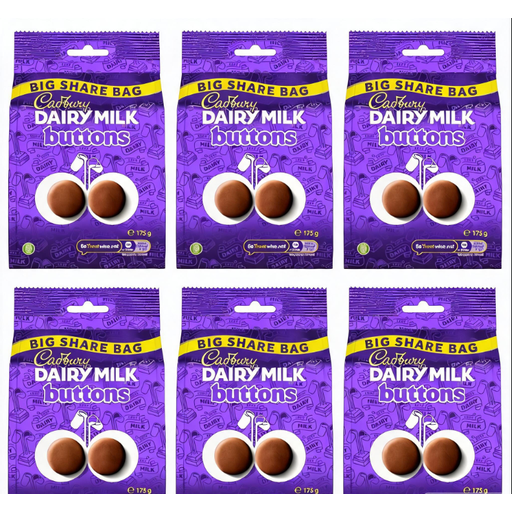 No image available
Six sharing bags may suit chocolate bought for a group after training. Use the label on the bags to check serving size, carbohydrate and allergens before choosing a portion.
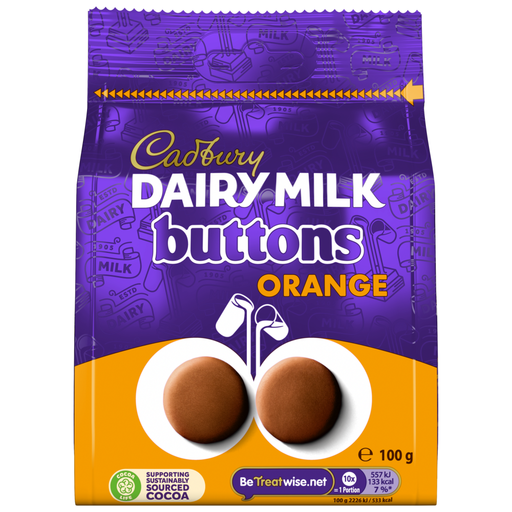 No image available
A 100 g bag for sharing or portioning as a snack around training. Check this orange variant’s own label for the amount you intend to eat and its allergen information.
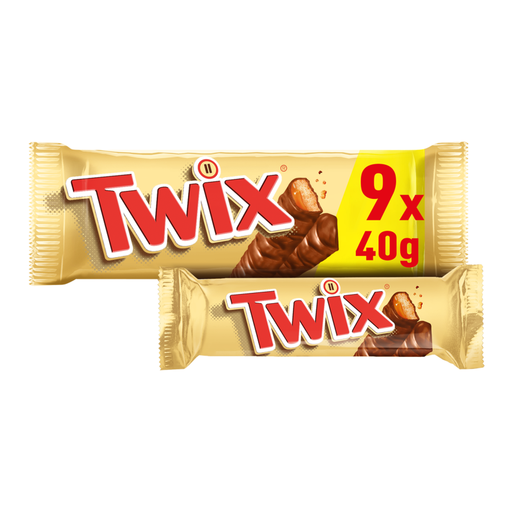 No image available
The nine twin packs provide defined packs for a chocolate snack, rather than an open sharing pouch. For running food calculations, read the current label for carbohydrate in the portion you would actually eat, as well as allergens.
Do not rely on the bag size alone to plan what you will eat during a long run. Work out the carbohydrate you intend to have over the run, then check how much a labelled portion of the chocolate contributes.
A bar with nutrition stated per piece gives you a defined amount to count. Mars Wrigley UK, for example, lists 13 g carbohydrate per 18 g Mars fun-size portion; you still need to consider that portion alongside everything else you plan to eat during the run.
Yes. Read the current physical pack for serving information, ingredients, allergens and precautionary statements; do not assume another flavour or an earlier pack has identical details.
No. Ingredients and precautionary statements vary by product, so check the exact pack and flavour you intend to buy, particularly if you have a diagnosed allergy.