Christmas hosts choosing a sharing biscuit
Coated rounds, stars and assorted shapes offer different ways to present shortbread on a tea tray or dessert table. Check the pack size and biscuit count against the number of people you plan to serve.


Choose coated shortbread when you want chocolate on the outside for a Christmas tea tray or gift; choose chip or chunk shortbread when you want the biscuit itself to remain visible. A half-coated option offers a different balance, but check the exact pack for dietary suitability, portion information and any instructions before using it in a dessert.
Coated rounds, stars and assorted shapes offer different ways to present shortbread on a tea tray or dessert table. Check the pack size and biscuit count against the number of people you plan to serve.
Coated shortbread puts chocolate on the biscuit’s exterior. Chip and chunk varieties leave more of the shortbread surface visible, so the distinction matters if you have a particular serving style in mind.
Choose by the current pack label, not by the words “chocolate-coated” or a single dietary claim. The products discussed here differ in their ingredients and precautionary allergen statements.
Decide how you want to serve the biscuits, then compare the exact format, label and portion information of the packs you are considering.
| Priority | What to check | Your needs |
|---|---|---|
| Chocolate format | Look for “fully coated”, “half coated”, “chips” or “chunks”. Check whether decorative shapes matter for serving. | I want chocolate on the outside for a Christmas tea tray, or pieces within the biscuit if I prefer a more visible shortbread surface. |
| Dietary suitability | Read the current ingredients, allergen emphasis and precautionary statements. Check any gluten-free or vegan claim against the other ingredients you need to avoid. | A biscuit needs to meet the specific dietary requirements of the people I’m serving; one claim on the front of the pack cannot answer every allergen question. |
| Portions and nutrition | Check pack weight and biscuit count. Compare nutrition per 100g on the same basis, then use the labelled per-biscuit figures for the portion you intend to serve. | For a sharing plate, I need enough biscuits and want to understand what the figures mean for one biscuit, not just the whole pack. |
| Use in a dessert | Check whether the biscuit is ready to eat and follow any product-specific heating or storage instructions. | If I’m adding biscuits to a Christmas dessert, I need to know whether the chocolate coating can be heated or is intended for serving as it is. |
M&S describes its Scottish rounds as fully coated, while Waitrose describes shortbread with milk and dark chocolate chunks. Those are different biscuits for a serving plate.
Read the product description for coating, chips or chunks before choosing a pack.
Tesco’s Free From coated shortbread is described as gluten-free, but its product information also identifies milk and soya and gives precautionary warnings for peanuts and nuts.
Check the current pack’s ingredients and precautionary statements against each person’s requirements.
Per-biscuit figures describe the labelled serving, which can differ between products. They are not a like-for-like recipe comparison when biscuit sizes differ.
Use per-100g figures to compare products on a common basis, then check the per-biscuit figures for your planned portions.
A particular shape or dietary specification can be important to a Christmas serving plan, so a different biscuit may not be a suitable substitute.
Check availability with the intended retailer before settling on the pack you need.
Walker’s offers chocolate-covered shortbread alongside chocolate-chip varieties.
Dean’s Choc Chip Shortbread Rounds have chocolate chips within the biscuit rather than an exterior coating.
M&S describes its Scottish shortbread rounds as fully coated in Belgian milk chocolate.
Waitrose offers a four-biscuit shortbread pack with Belgian milk and dark chocolate chunks, rather than an exterior coating.
Tesco lists both chocolate-piece shortbread and a Free From shortbread half coated in Belgian milk chocolate.
Sainsbury’s lists milk-chocolate-coated shortbread stars and a separate bakery shortbread with chocolate chunks.
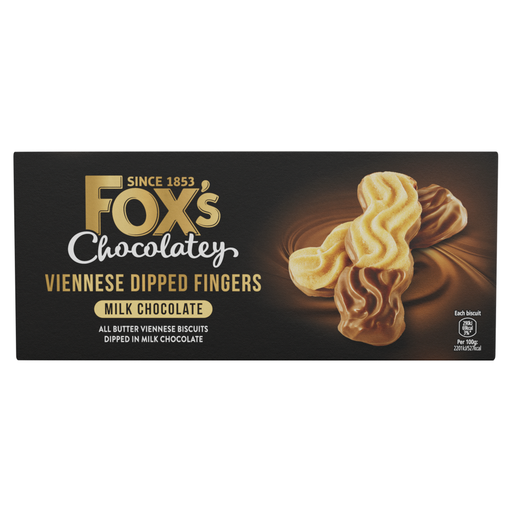
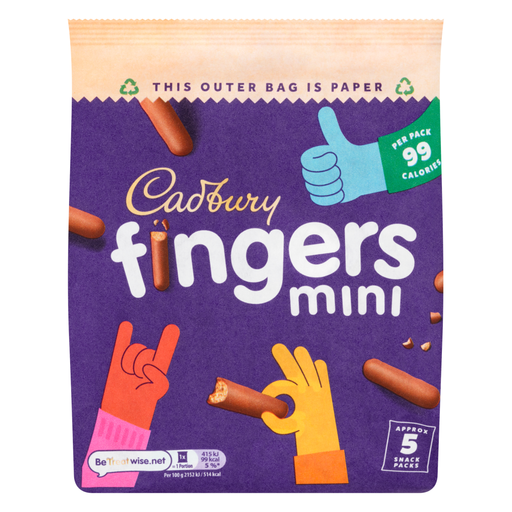
These chocolate-covered biscuits could go on a Christmas tea tray, but neither is identified as shortbread. If shortbread is essential to your baking or serving plan, check the biscuit type before choosing one.
 No image available
A milk-chocolate Viennese biscuit to consider for a tea tray if shortbread is not required. Check the pack’s ingredients and allergen information for the people you are serving.
 No image available
Mini biscuit fingers offer another chocolate-biscuit option for sharing, but are not identified as shortbread. Check the current pack if the recipe or allergen information matters to your choice.
No. Tesco describes its Free From Belgian Chocolate Coated Shortbread as gluten-free, while the coated M&S and Walker’s examples have different ingredient information. Choose a product specifically labelled for the requirement and check its current pack, including precautionary statements.
Check the full ingredients list and any precautionary statements for the allergens relevant to the people eating it. GOV.UK guidance says that, for prepacked food, ingredients that are among the 14 regulated allergens must be clearly labelled in the ingredients list. The shortbread examples here differ in their wheat, milk, soya, nut and peanut information.
Do not assume a ready-to-eat coated biscuit is intended for heating; follow the instructions for the exact product. Joybuy’s Farmhouse half-coated shortbread page specifically says not to heat that product above 70°C because its chocolate coating will melt.
Follow the directions on the pack you buy. The product information for several of the M&S, Sainsbury’s, Tesco, Waitrose and Joybuy examples advises a cool, dry place and an airtight container after opening where directed.