Home bakers using ready-made biscuits
If you are crumbling shortbread into a chilled dessert or serving it alongside one, decide whether you want chocolate on the outside, within the biscuit or added separately to the recipe.


Choose coated shortbread when you want a visible chocolate layer on a biscuit served as it is, or chocolate-chip shortbread when you want chocolate throughout the biscuit. For a chilled dessert, plain all-butter shortbread crumbled into a chocolate mixture is another option, as illustrated by a Dean’s recipe; check the current pack for allergens and heating instructions before using any coated biscuit in a warmed bake.
If you are crumbling shortbread into a chilled dessert or serving it alongside one, decide whether you want chocolate on the outside, within the biscuit or added separately to the recipe.
Coated rounds, assorted shapes and chocolate-chip biscuits offer different presentations. Check the exact format and pack size for the occasion.
Read the current ingredients and precautionary statements for the person who will eat the biscuits. A vegan label does not replace an allergen check, as the Food Standards Agency advises.
Start with how you will use the biscuit, then compare the chocolate format, pack information and any handling instructions.
| Priority | What to check | Your needs |
|---|---|---|
| Chocolate format | Check whether the chocolate coats the outside or appears as chips. The exact product examples list 37% milk chocolate for M&S coated rounds, 30% for Walker’s coated shapes and 22% Belgian dark chocolate chips for Dean’s rounds; these figures describe different formats, not a taste ranking. | I want the chocolate layer to show when I serve the biscuit, or I would rather have chocolate distributed through it. |
| Dessert use | Decide whether the biscuit will stay whole or be crumbled. Dean’s uses crumbled traditional or all-butter shortbread in a chocolate mixture that is then chilled. | For a chilled biscuit dessert, I could use plain shortbread and add the chocolate separately instead of buying a coated biscuit. |
| Heating | Read the instructions for the exact biscuit before warming it. The Farmhouse half-coated shortbread sold on Joybuy says not to heat it above 70°C because its coating will melt; do not apply that temperature limit to every product. | If the recipe involves heat, I need to know whether the biscuit’s coating can be used as intended. |
| Ingredients and allergens | Read the current ingredients and precautionary statements, including those for milk, wheat, soya and nuts where relevant. The Food Standards Agency advises against using vegan labelling as a substitute for allergen information. | Someone eating the biscuits needs an ingredient and allergen check, even if the front of the pack says vegan. |
| Pack and portion | Check the pack size, number of biscuits where stated, and the nutrition information per 100g and per serving. Use the same basis when comparing packs. | I may be serving individual biscuits, sharing a pack or adding a measured amount to a dessert. |
The Farmhouse half-coated biscuit is described as vegan but carries a precautionary statement for milk, as well as egg and tree nuts. The Food Standards Agency cautions that vegan labelling is not an allergen label.
Check the current ingredients and precautionary statements against the eater’s requirements rather than relying on the vegan wording.
The Farmhouse half-coated product says its chocolate coating will melt if heated above 70°C. A biscuit chosen for its visible finish may therefore not suit a warmed recipe in the same way it suits serving cold.
Read that product’s handling instructions before baking with it, or consider a recipe that adds chocolate separately.
M&S notes that its product ingredients and allergen information may change. An earlier description may not describe the biscuit you have bought.
Read the pack in hand before serving or using the shortbread, particularly when an ingredient must be avoided.
These product examples illustrate different chocolate formats; the details apply to the named biscuits, not every product from each brand.
Walker’s Chocolate Shortbread Assorted Shapes are fully coated biscuits intended for serving as biscuits.
Dean’s All Butter Chocolate Chip Rounds provide an embedded-chocolate option. A separate Dean’s recipe uses crumbled traditional or all-butter shortbread in a chilled chocolate dessert.
M&S Milk Chocolate Coated Scottish Shortbread Rounds are a fully coated option.
Farmhouse Half Coated Chocolate Shortbread Fingers offer a partly coated, vegan-labelled format.
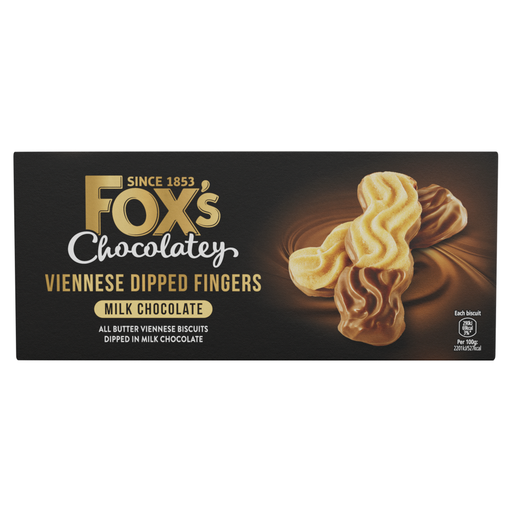
This milk-chocolate Viennese biscuit is an option to consider for serving alongside a dessert. It is not labelled shortbread, so check the biscuit type if your recipe calls for shortbread specifically.
 No image available
A milk-chocolate Viennese biscuit for serving alongside a dessert rather than a stated shortbread ingredient. Check the current pack for its chocolate format, ingredients and handling instructions if those details matter to your recipe.
Check the current pack’s ingredients list and precautionary statements. The Food Standards Agency says the 14 regulated allergens must be emphasised within the ingredients list of prepacked food and drink; M&S also notes that product information can change.
Do not decide from the vegan label alone. The Food Standards Agency advises that vegan labelling is not a substitute for allergen information, and the vegan-labelled Farmhouse half-coated shortbread may contain milk. Check the current pack against the person’s requirements.
Follow the instructions for the exact product. Farmhouse says not to heat its half-coated shortbread above 70°C because the coating will melt; that is a product-specific limit, not a rule for every coated biscuit.
Yes. A Dean’s recipe crumbles traditional or all-butter shortbread into a melted chocolate, butter and condensed-milk mixture, then chills it. In that approach, the chocolate is added separately rather than supplied as a biscuit coating.