
24/7 Customer Support

Free returns

Same-day & Next-day Delivery

Quality Guaranteed

Unlock Your Welcome Offers: FREE Delivery | Up to 80% OFF | Free 30-day JoyPlus trial
Download the APP
Buying chocolate and snack bar multipacks can seem straightforward: choose a familiar flavour, check the number of bars and add to your basket. However, pack size, ingredients and portion format can make a noticeable difference to value and suitability. A four-bar box may offer individually wrapped portions, while a larger sharing block may contain fewer practical servings.
This guide explains the main buying traps, the product details worth checking and which formats may suit different UK shopping needs.
A larger-looking pack is not automatically better value. Compare the total gram weight, number of bars and approximate weight per serving. For example, a four-bar multipack may be convenient for lunchboxes, but a 145g sharing bar is designed for breaking into portions at home rather than carrying individually.
For regular purchases, calculate the price per 100g where possible. This provides a clearer comparison between chocolate bar multipacks, snack bars and sharing chocolate bars.
Marketing descriptions can highlight ingredients such as dates, oats, nuts or cocoa without presenting the complete nutritional picture. A fruit-and-nut bar may contain naturally occurring sugars, while an oat bar can still be energy-dense because of syrups, oils or nuts.
Use the nutrition panel to compare energy, sugars, saturated fat, fibre and protein per bar, rather than relying on front-of-pack wording alone.
Chocolate and snack bars frequently contain or may contain milk, wheat, peanuts, tree nuts, soya or oats. “Vegan”, “dairy-free” and “gluten-free” are not interchangeable terms, and product recipes can change.
Always read the current packaging before eating, especially when buying Nakd bars, KIND protein bars, fruit and nut bars or gluten-free snack bars for someone with an allergy or specific dietary requirement.
For work bags, school lunchboxes and travel, individually wrapped chocolate bars are usually more practical and easier to distribute. They also help keep unopened portions protected. Sharing chocolate bars are more suitable for film nights, visitors or storing in a cupboard for occasional use.
Look for:
Per-100g information makes products comparable, but per-bar values show what you are actually likely to eat. Examples from the available range include:
These figures illustrate why a protein bar is not necessarily lower in calories than a confectionery bar. It may simply offer a different ingredient profile and a higher protein value.
For vegan snack bars, check for milk, whey, honey and other animal-derived ingredients. For gluten-free snack bars, check the specific product declaration rather than assuming that oats are suitable for everyone. Products containing nuts should be kept separate from nut-free foods where allergy control is important.
The same rule applies to branded favourites such as Cadbury chocolate bars, Aero peppermint bars and Kinder Bueno: recipes and allergen information should be checked on the latest pack.
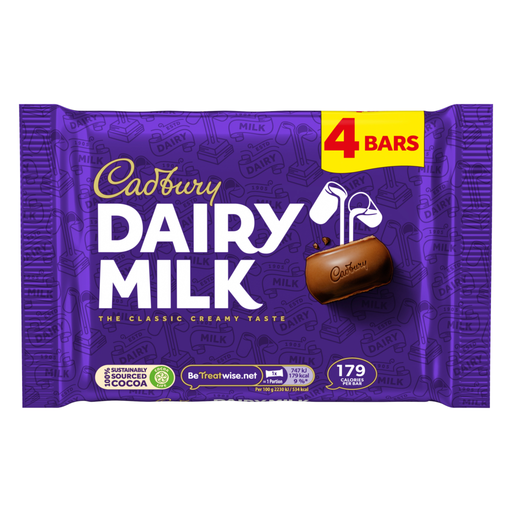
Why This Fits Their Persona: A familiar four-bar format for lunch breaks, household cupboards and informal sharing without committing to a larger pack.
The pack clearly states four bars and 134g total, making the portion count easier to compare with other multipack chocolate products.
Four individually portioned milk chocolate bars; suitable for vegetarians according to the supplied product information.
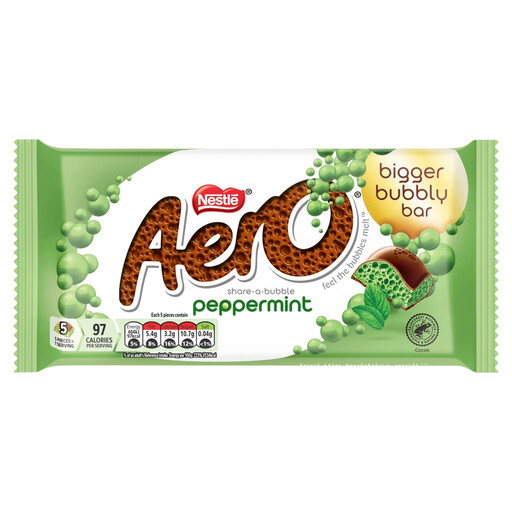
Why This Fits Their Persona: A larger sharing format for shoppers who prefer a distinctive mint flavour and an airy chocolate texture during relaxed occasions.
It is labelled as a 145g share bar, so buyers can distinguish it from individually wrapped four-bar multipacks.
145g sharing format; milk chocolate with a peppermint-flavoured aerated centre.
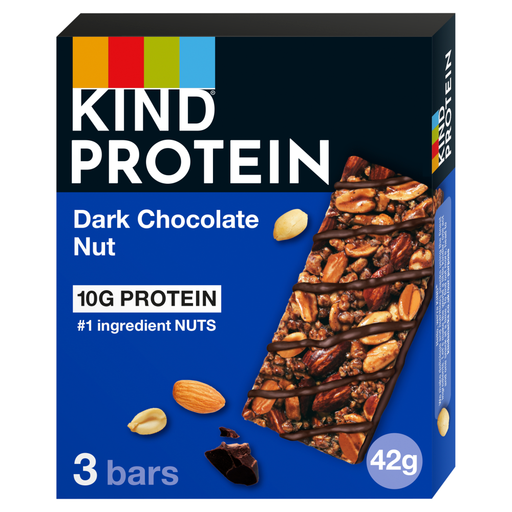
Why This Fits Their Persona: A practical choice for gym bags, commuting and work breaks where a nut-based bar with stated protein content is preferred.
The pack gives per-bar nutrition: 8g protein, 201 kcal and 3.4g fibre, allowing a more realistic comparison with other on-the-go snacks.
Three individually wrapped 42g bars; contains peanuts, almonds and soya protein isolate.

Why This Fits Their Persona: Suitable for shoppers looking for a compact fruit-and-nut style bar for commuting, desk drawers or travel.
The ingredient list identifies dates and peanuts prominently, while the nutrition panel states 7.2g protein and 7.2g fibre per 45g serving.
Plant-based protein; supplied information describes the bar as vegan, dairy-free and gluten-free, with peanut and hazelnut allergens clearly listed.
We have compiled a complete, real-time list of products that fully satisfy these strict selection criteria and UK safety regulations.
Store all products according to the pack instructions, usually in a cool, dry place away from heat and direct sunlight. Chocolate can soften or develop surface changes when exposed to temperature fluctuations, while bars containing nuts or fruit may alter in texture over time.
They can offer a lower price per bar or per 100g, but this depends on promotions, pack size and product type. Compare the total weight, number of portions and delivery cost before deciding. A larger pack only represents value if the contents will be used before the best-before date and stored correctly.
Individually wrapped chocolate bars and snack bars are generally easier to pack and distribute. Check the size, wrapper format and allergen information. For children, consider the bar’s texture and follow any age-related safety information shown on the packaging.
Protein bars can be convenient after exercise, but their nutritional profiles vary. Check the protein per bar, calories, sugars and allergens rather than relying on the term “protein” alone. KIND Protein Dark Chocolate Nut Bars, for example, provide 8g protein per 42g bar, while other oat, fruit and nut or chocolate bars provide different amounts.