
24/7 Customer Support

Free returns

Same-day & Next-day Delivery

Quality Guaranteed

Unlock Your Welcome Offers: FREE Delivery | Up to 80% OFF | Free 30-day JoyPlus trial
Download the APP
A chocolate and snack bars multipack can make lunchboxes, office drawers and travel bags easier to manage. However, a larger box does not automatically offer better value or suit every household. The right choice depends on portion size, flavour preferences, dietary requirements, allergen information and how quickly the bars will be eaten.
As the Joybuy Product Recommendation Officer, I focus on separating useful product details from vague marketing language. Before choosing between chocolate bars, wafer bars, cereal bars or oat bars, check these common buying pitfalls.
A 12-pack may look more economical than a four-pack, but the individual bar weight can vary considerably. Compare the price per 100g and, where relevant, the price per individually wrapped bar. A smaller pack may be more suitable if you are trying a flavour for the first time or only need occasional snacks.
Terms such as “cereal”, “oat” and “fruit” describe ingredients or format, not necessarily the overall nutritional profile. Some cereal bars contain chocolate, syrups or added sugar, while fruit and nut bars can still be relatively high in naturally occurring sugars. Review the nutrition panel rather than relying on front-of-pack impressions.
Chocolate and snack bars commonly contain milk, wheat, soya, peanuts, tree nuts or oats. Recipes and manufacturing arrangements can change, so always check the packaging supplied with your order. This is especially important when buying lunchbox snacks for children or catering for allergy-related requirements.
Look for the net quantity, number of bars and weight per bar. For example, KitKat 2 Finger Milk provides eight 20.7g bars, while the Twix multipack contains nine 40g twin packs. These formats serve different purposes: smaller portions may suit lunchboxes, whereas twin packs can work for a more substantial break or sharing.
Individually wrapped snacks are also easier to store hygienically in a work bag, school bag or car. Check whether the listed number refers to individual bars, twin bars or internal fingers.
The legally required allergen information should be clear on the product packaging. Common ingredients in this category include:
For example, Go Ahead Apple Crispy Fruit Slice Snack Bars contain wheat and may contain traces of milk and nuts. Deliciously Ella Apple, Raisin & Cinnamon Oat Bars contain oats and may contain milk, nuts, peanuts and soya. Do not rely solely on a product name such as “fruit” or “oat” when checking suitability.
UK food labels generally provide nutrition per 100g, with some also showing information per portion. The per-bar figure is more useful for everyday planning. As examples, a Tunnocks Milk Chocolate Caramel Wafer is listed at 134 kcal per 30g biscuit, while a 20.7g KitKat 2 Finger Milk is listed at 104 kcal per bar.
Use these figures to compare like for like, and remember that a multipack is designed to provide several portions rather than one serving. Storage instructions and best-before information should also be checked, particularly when purchasing a bulk box.
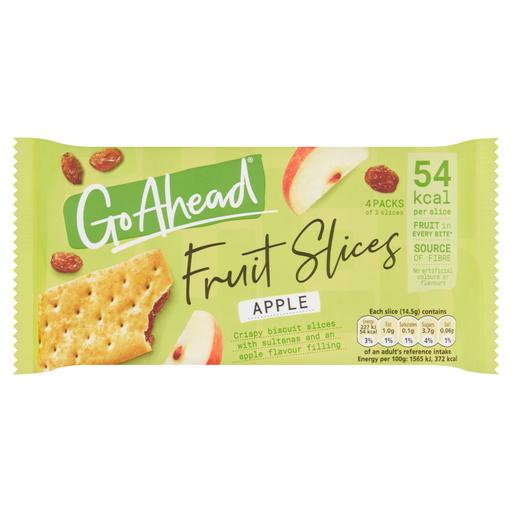
Why This Fits Their Persona: A four-pack offers a manageable way to try fruit-flavoured snack bars without committing to a large box. The crispy biscuit layers and apple filling suit lunchboxes, desk drawers and short journeys.
The listed 44g bar size and four-bar format make portion planning straightforward, while the ingredient and allergen details help avoid assumptions based only on the word “fruit”.
Crispy texture; apple-flavoured filling; individually portioned bars suitable for everyday carrying.

Why This Fits Their Persona: This recognisable Scottish confectionery suits buyers looking for layered wafer, caramel and milk chocolate in a traditional multipack format for tea breaks or sharing.
The pack count and 30g serving information are stated clearly, so shoppers can compare the portion with other wafer bars rather than judging value by box size alone.
Five wafer layers; caramel makes up 50%; individually wrapped format; made in Scotland according to the supplied product information.

Why This Fits Their Persona: The 16-pack is practical for households, office kitchens or regular travel. Each 50g bar combines oats, cocoa coating and plant-based protein in a substantial flapjack format.
The product gives a defined bar weight and provides nutrition per bar, including 9g protein per 50g serving. Check the supplied label for the gluten, soya, milk and nut warnings.
16 individually wrapped 50g bars; gluten-free oat formulation as listed; 9g protein per bar.
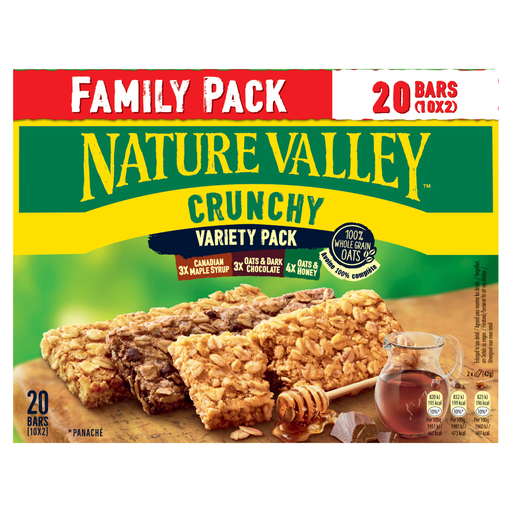
Why This Fits Their Persona: A mixed box helps families rotate flavours across lunchboxes, day trips and after-school snacks, with maple syrup, oats and honey, and oats with dark chocolate options.
The variety format reduces the risk of buying a large box that only one person enjoys. The label also identifies oats, soya and possible wheat, peanuts and tree nuts.
10 x 42g portions; three listed flavours; whole grain rolled oats are used as a principal ingredient.
We have compiled a complete, real-time list of products that fully satisfy these strict selection criteria and UK safety regulations.
They can be convenient for lunchboxes when the individual portion, packaging and allergen information suit the child. Check school or nursery policies, particularly around peanuts and tree nuts. Smaller bars such as wafer fingers may be easier to portion, while larger flapjacks may be more suitable for older children or adults.
Shelf life varies by product and storage conditions. Keep bars in a cool, dry place, away from direct sunlight and heat. Always use the best-before or expiry information printed on the packaging. A bulk pack may offer practical value only if your household can consume it within that period.