
24/7 Customer Support

Free returns

Same-day & Next-day Delivery

Quality Guaranteed

Unlock Your Welcome Offers: FREE Delivery | Up to 80% OFF | Free 30-day JoyPlus trial
Download the APP
Navigating the world of chocolate snacks can feel overwhelming. Shelves are packed with options, from classic bars to exotic imports, all vying for your attention. But not all chocolate treats are created equal. As a Joybuy Product Recommendation Officer, my role is to help you see past the clever marketing and make choices that deliver on both taste and value. Many shoppers find themselves disappointed by purchases that don't live up to the hype. Let's look at how to avoid common pitfalls.
Before you add that tempting treat to your basket, be aware of a few common issues that can lead to buyer's remorse:
To ensure you get what you pay for, focus on these two core parameters. They provide a clear, objective way to assess any chocolate snack.
The ingredients list is your most powerful tool. It's legally required to list components in descending order of weight.
Serving sizes are set by manufacturers and can vary wildly, making direct comparisons difficult. The 'per 100g' column on the nutritional table is the only standardised way to compare products. Use it to check the levels of sugar, saturated fat and salt between different options. This simple check cuts through the "healthy halo" and helps you make a truly informed decision, whether you're looking for an indulgent treat or a more balanced on-the-go snack.
Instead of a generic list, we've matched some standout products to the people we believe they suit most.
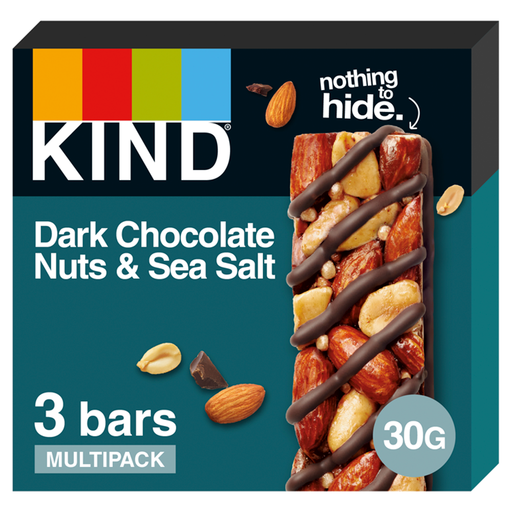
Why This Fits Their Persona: This is an ideal desk-drawer or bag staple for a quick energy lift between meetings. The high nut content provides a more sustained release of energy than a sugary bar, and its convenient format makes it a perfect mess-free, on-the-go snack.
It bypasses the "healthy halo" trap with transparency. The packaging highlights its 60% nut content, and the ingredients are simple and recognisable. It delivers on its promise of being a nut-first bar.
A satisfyingly crunchy texture from whole almonds and peanuts. It's also high in fibre and gluten-free, catering to common dietary preferences in the UK.
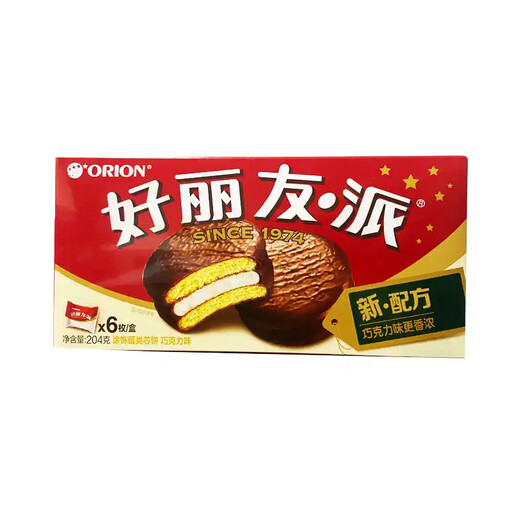
Why This Fits Their Persona: Perfect for parents stocking up the pantry. The multipack format with individually wrapped cakes is ideal for lunch boxes or as a controlled after-school treat. Its soft texture and sweet flavour have wide appeal for all ages.
This avoids the misleading portion size trap. You get exactly what is advertised: six individually wrapped portions, making it easy to calculate value and manage consumption without any guesswork.
A classic combination of soft cake, marshmallow and a chocolate-flavoured coating. These are convenient, hygienic, and a well-known example of popular international snacks.

Why This Fits Their Persona: For those who want a treat that feels special and has a story. This large 180g bar is perfect for a movie night or as a weekend indulgence. The combination of milk chocolate, crunchy caramel and sea salt is a crowd-pleasing classic.
It justifies its premium positioning by avoiding the "gourmet illusion." The value comes from tangible factors: Fairtrade certified ingredients, a commitment to ethical sourcing and high-quality Belgian chocolate with 32% cocoa solids.
An excellent example of a sweet and salty treat. The chunky, unevenly divided bar is a conversation starter and the brand's ethical mission adds a feel-good factor to your purchase.
We have compiled a complete, real-time list of products that fully satisfy these strict selection criteria and UK safety regulations.
1. What is the difference between 'chocolate' and 'chocolate-flavoured'? In the UK, for a product to be legally called 'milk chocolate', it must contain a minimum of 25% cocoa solids. 'Dark chocolate' has its own higher requirements. A 'chocolate-flavoured' coating, however, often uses vegetable fats (like palm oil) instead of the more expensive cocoa butter and may have a lower cocoa content. This results in a different taste and a less creamy texture that doesn't melt in the same way.
2. How should I store my chocolate snacks to keep them fresh? The ideal storage condition for most chocolate is in a cool, dry place, away from direct sunlight and strong odours, at a temperature between 16-18°C. Avoid storing it in the refrigerator. The cold, humid environment can cause "sugar bloom," where sugar crystals rise to the surface, creating a white, grainy coating. While harmless to eat, it does affect the texture.
3. Are gluten-free chocolate snacks a healthier option? Not necessarily. While essential for individuals with coeliac disease or a gluten intolerance, a 'gluten-free' label does not automatically mean a product is healthier. These snacks can still be high in sugar, salt and saturated fat. Always refer to the 'per 100g' nutritional information to make an informed comparison.