
24/7 Customer Support

Free returns

Same-day & Next-day Delivery

Quality Guaranteed

Unlock Your Welcome Offers: FREE Delivery | Up to 80% OFF | Free 30-day JoyPlus trial
Download the APP
Choosing chocolate snacks in the UK can look straightforward until you compare pack sizes, ingredients, allergens and intended uses. A large pouch may appear better value but become difficult to portion, while a product described as “chocolate” may contain biscuits, cereal or vegetable fats that change the texture and flavour.
This guide from the Joybuy Product Recommendation Officer focuses on practical details, helping you choose suitable chocolate treats for family sharing, film nights, lunchboxes, gifting and baking.
A 500g bag or box may offer a lower cost per 100g, but it is not automatically the right choice for occasional eating. Smaller 94g or 100g packs can be more suitable when freshness, cupboard space or portion control matters. For families, individually wrapped mini treats may also reduce waste and make sharing simpler.
Milk chocolate, white chocolate and dark chocolate can contain different allergens and ingredients. Some products include milk and soya, while others may contain wheat, oats, barley or nuts. “Plant-based” wording should not replace checking the full label: cross-contact statements such as “may contain milk” or “may contain nuts” are important for people managing allergies.
Vegetarian chocolate is widely available, but vegan chocolate requires a product whose ingredients and allergen information are suitable for a plant-based diet. Always check the current packaging before serving, particularly if recipes or formulations change.
Chocolate buttons and chocolate bites can be eaten directly, but baking chocolate is selected for melting, decorating or holding its shape in a recipe. Chips designed for baking may behave differently from ordinary confectionery when heated. Look for the stated use, melting instructions and whether the pieces are intended to retain their shape.
Ingredients are listed by weight, so the first items indicate what makes up most of the product. White chocolate generally uses sugar, cocoa butter and milk ingredients, while milk chocolate includes cocoa solids and milk solids. Dark chocolate chips may contain a higher cocoa solids percentage and often have a deeper, less milky flavour.
For example, Morrisons Dark Chocolate Chips list 50% minimum cocoa solids, whereas Morrisons Milk Chocolate Chips list 25% minimum cocoa solids. These figures offer a useful comparison, but they do not alone determine taste or suitability for a particular recipe.
Check the bold allergen declaration for milk, soya, wheat, gluten, oats, barley and nuts. Cadbury Dairy Milk Oreo Bites contain milk, soya and wheat, and may contain several types of nuts. Happi Oat Milk Chocolate Buttons are presented as plant-based and free from dairy and soya in the product description, but the listing also advises that they may contain milk, nuts, peanuts, soya and wheat. This makes the allergen statement especially important.
For children’s lunchboxes, also consider packaging format. Individually wrapped products can be convenient, while open pouches may need resealing after serving.
Chocolate snacks are confectionery, so compare the per 100g information and the stated serving size rather than relying only on front-of-pack wording. Some products provide individually portioned figures: Special K Dark Chocolate Snack bars are listed at 85 kcal per 21.5g bar, while Snack A Jacks Jumbo Chocolate Chip provides a 58 kcal figure per 15g rice cracker.
Store chocolate in a cool, dry place away from heat and direct sunlight. Reseal pouches and fold cereal packaging closed to help preserve texture. Check the best-before information on the pack, especially when buying multipacks or products for gifting.
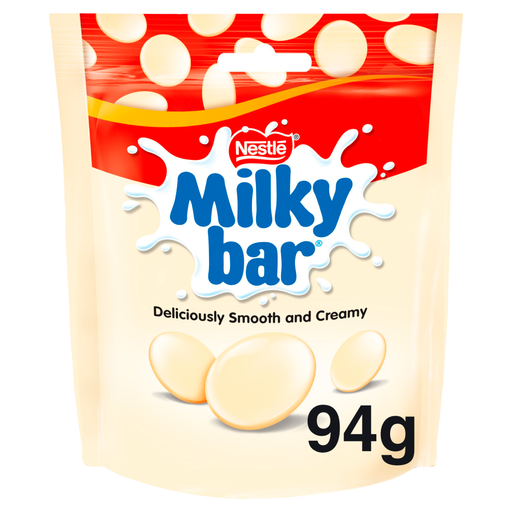
Why This Fits Their Persona: A compact white chocolate buttons pouch for a simple treat, lunchbox addition or small family sharing occasion.
The 94g size avoids committing to a large sharing bag when a smaller pack is more practical.
White chocolate made with cocoa butter and whole milk powder; no artificial colours or flavours are listed.
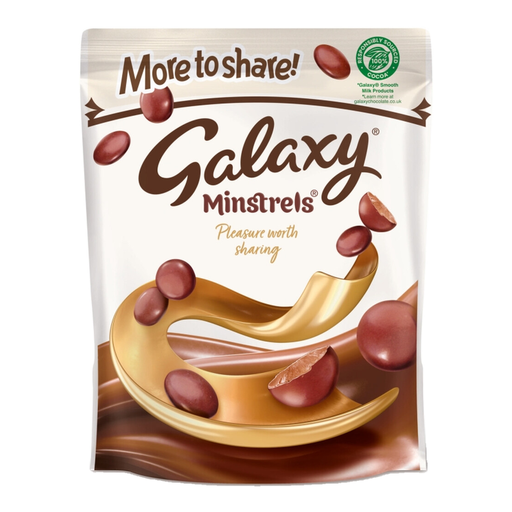
Why This Fits Their Persona: Bite-sized milk chocolate pieces suit film nights, informal gatherings and serving in small bowls.
The resealable sharing format is more adaptable than a single large bar for serving several people.
Bite-sized milk chocolate pieces with a 100g pack size; suitable for vegetarians according to the listing.
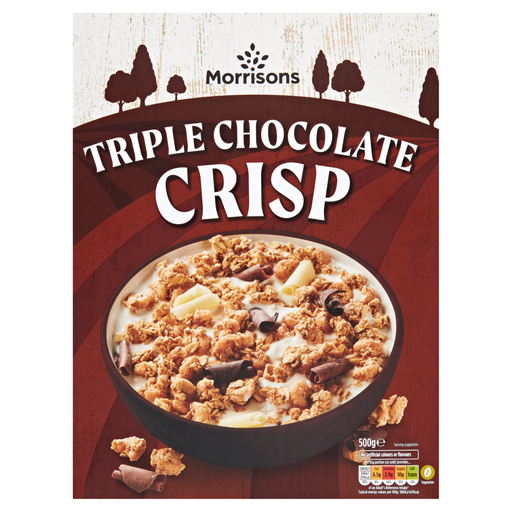
Why This Fits Their Persona: A larger format for busy households wanting breakfast cereal, cupboard snacks or yoghurt toppings.
Its 500g quantity is clearly stated, making it easier to compare against smaller chocolate sharing bags.
Contains oat, wheat and rice clusters with milk, dark and white chocolate curls; listed as suitable for vegetarians.
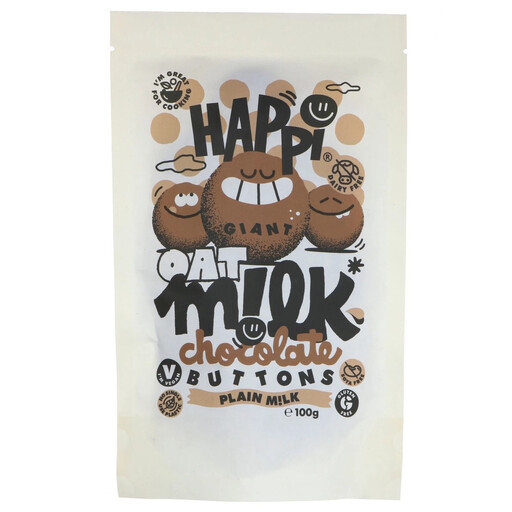
Why This Fits Their Persona: Oat-based chocolate buttons offer an option for shoppers seeking a dairy-free-style chocolate snack.
The product description identifies plant-based ingredients, while the allergen warning reminds buyers to check possible cross-contact.
100g format with oat powder and 46.5% minimum cocoa solids stated in the listing.
We have compiled a complete, real-time list of products that fully satisfy these strict selection criteria and UK safety regulations.
Sharing pouches, chocolate bites and larger cluster packs are convenient for film nights or gatherings. Choose a resealable format where possible, and check the quantity per pack if you need to serve several people. Individually wrapped mini treats can be more practical for lunchboxes and controlled serving.
Many chocolate chips are safe to eat directly, but they are primarily portioned for baking and decorating. Morrisons Milk Chocolate Chips, White Chocolate Chips and Dark Chocolate Chips are listed for cakes, biscuits and desserts. Their small format also makes them useful for topping yoghurt or adding to a snack mix.
Keep them sealed in a cool, dry cupboard away from sunlight, heaters and strong odours. Avoid leaving chocolate in a warm car or near a cooker, as heat can soften the product and affect its appearance. For allergen-sensitive households, store open products separately and use clean utensils when sharing.