Small-group top-up shoppers
If you are picking up chocolate for a household, desk or film night, decide whether people would rather choose from several varieties or help themselves to pieces from one bag.


For a casual top-up where people will help themselves, choose loose chocolate pieces or an assorted pouch; if each person needs a separate treat to take away, look for a multipack with clearly stated portions and check how its contents are wrapped. A breakable sharing bar suits a smaller, immediate break, while the exact pack label matters whenever you are buying for someone with an allergy or intolerance.
If you are picking up chocolate for a household, desk or film night, decide whether people would rather choose from several varieties or help themselves to pieces from one bag.
For a group taking chocolate away, a stated portion count and the way each item is wrapped matter more than the word “sharing” on the front of the pack.
Check the ingredients and precautionary allergen wording on the exact pack before buying and serving it. Chocolate products can differ in both their declared ingredients and “may contain” statements.
Start with how the group will share the chocolate, then check the pack quantity and label rather than relying on “sharing” as a measure of either.
| Priority | What to check | Your needs |
|---|---|---|
| Sharing format | Look for loose pieces, an assortment, a breakable bar or a multipack. If everyone needs a separate item, check whether each one is wrapped. | For a bowl on the table, I would choose pieces people can take as they go. If guests are leaving with a treat, I would look for separate portions instead. |
| Group quantity | Compare pack weight with any stated portion count. KitKat describes its Milk Chocolate Sharing Bar as 99g; Mars states 20 portions for its Fun Size multipack, and Twix states 16 for its Chocolate Biscuit Fingers 16pk. | I want enough for the people coming, especially if the plan is to give each person one item rather than open a bar to share immediately. |
| Variety and texture | Check whether a pack mixes products or repeats one type. Cadbury lists several miniature chocolates in its Heroes Pouch; Galaxy distinguishes crispy-shelled Minstrels from its smooth Counters. | A mixed pouch gives my group a choice; for a small gathering where everyone wants the same thing, a single-style bag may be simpler. |
| Ingredients and allergens | Read the exact current pack’s ingredients and precautionary statements, particularly when sharing with someone who has an allergy or intolerance. The Food Standards Agency explains that precautionary allergen labelling signals possible unintended allergen presence. | If I do not know everyone’s dietary requirements, I would check with them before choosing a pack and would not assume products from the same brand have identical labels. |
A breakable bar and a multipack can serve different plans: KitKat lists a 99g sharing bar, while Mars states 20 portions for its Fun Size multipack. The front-of-pack description alone does not tell you how many separate treats you can hand out.
Count the people first, then compare the stated portions, pack weight and format.
Products can contain different allergens or carry different precautionary statements. For example, Snickers lists peanuts, while the Mars Fun Size and Twix products described by their brands carry different “may contain” statements.
Ask about dietary requirements and read the ingredients and precautionary wording on the exact pack before purchase and serving.
Cadbury lists both the 270g Heroes Pouch, containing several miniature chocolates, and a 100g Dairy Milk Caramel Nibbles bag.
Galaxy describes Minstrels and Counters as sharing-bag options.
Mars describes its Fun Size chocolate-bar multipack as individually wrapped for sharing and states 20 portions for the 366g pack.
Snickers lists a peanut chocolate-bar multipack of 12 × 34.5g with 12 stated portions.
Twix lists a 368g Chocolate Biscuit Fingers 16pk with 16 stated portions.
KitKat describes its 99g Milk Chocolate Sharing Bar as a bar for sharing with family or friends.
These options cover multipacks for handing out treats and pouches of loose pieces for informal sharing. Check the exact pack label when choosing chocolate for someone with an allergy or intolerance.
 No image available
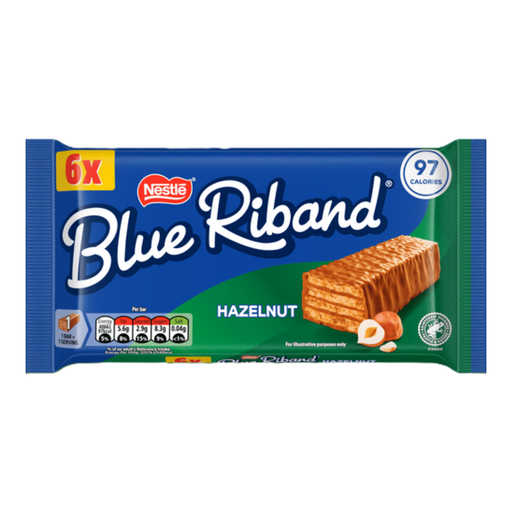
Consider this six-pack when you want to allocate hazelnut wafer bars rather than put out a mixed pouch. Check the current ingredients and allergen statements before sharing.
 No image available
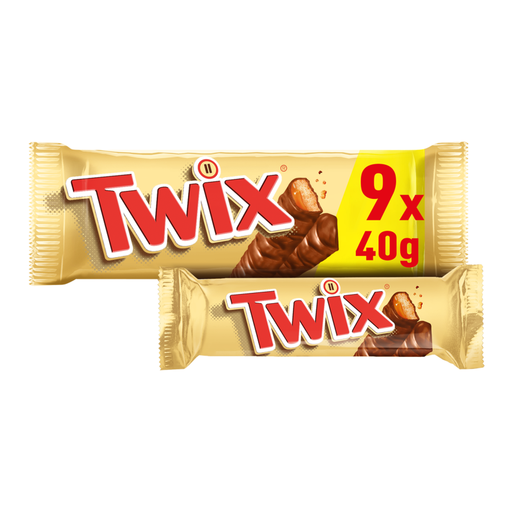
The nine 40g twin packs give you a count to compare with your group size. If each person needs a wrapped item, confirm how the twin packs are packaged; check the current allergen label too.
 No image available
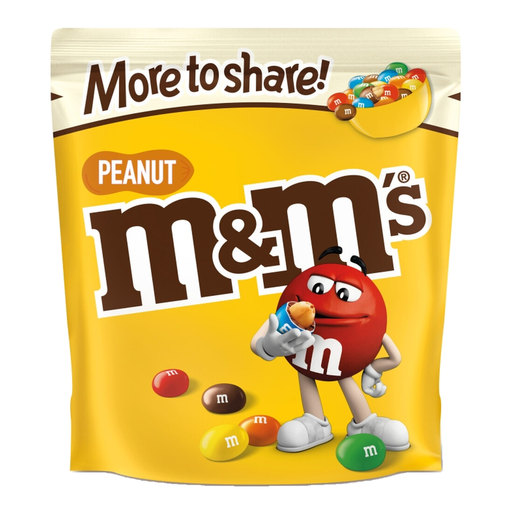
This 200g pouch is an option for informal sharing of peanut chocolate pieces, rather than handing out separate bars. Check recipients’ requirements and the current pack label before serving.
 No image available
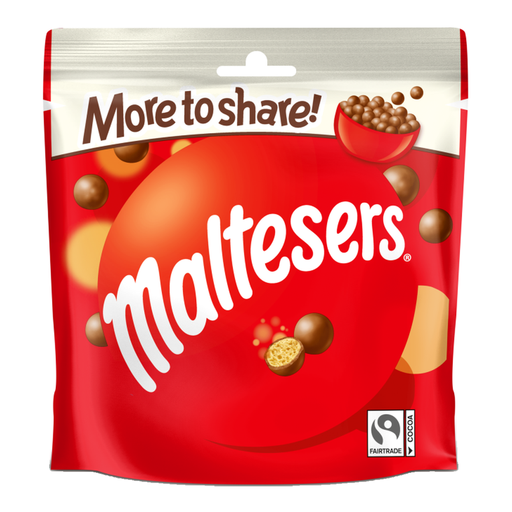
Choose the 158g pouch if the plan is to put out loose chocolate pieces for people to take as they go. It does not allocate a wrapped item to each person; check the current allergen label before sharing.
 No image available
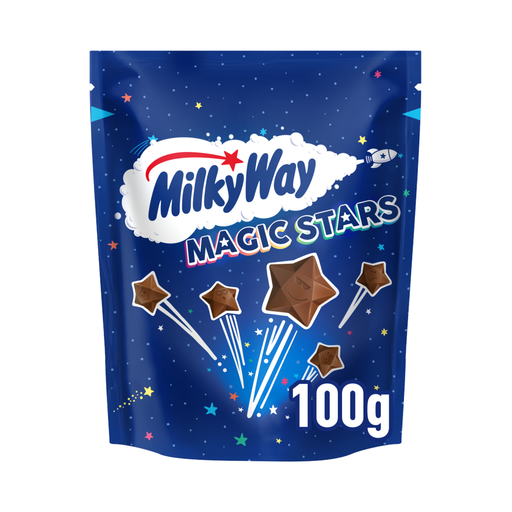
This 100g pouch offers loose, star-shaped chocolate pieces for a small self-serve top-up, not separate bars to hand out. Read the current ingredients and precautionary allergen wording before sharing.
No. A loose bag or assorted pouch suits casual self-service, whereas a multipack is worth considering when people need separate treats. For a smaller break where everyone will share immediately, a breakable bar may fit instead.
Count the recipients and compare the pack weight with any stated portions. The formats differ: KitKat lists a 99g Milk Chocolate Sharing Bar, Mars states 20 portions for its Fun Size multipack, and Twix states 16 for its Chocolate Biscuit Fingers 16pk. Check wrapping separately if each person needs an item to take away.
Ask about their requirements and read the exact current pack’s ingredients and precautionary allergen statement before buying and serving it. The Food Standards Agency explains that precautionary allergen labelling communicates possible unintended allergen presence; do not assume that different chocolate products have the same warning.