
24/7 全天候客户支持

免费退货

当日/次日达

品质保障

开启新人专享福利: 全场免邮 | 低至 2 折 | 免费试用 30 天 JoyPlus 会员
下载 Joybuy
Navigating the world of gym supplements can feel overwhelming. When it comes to finding a quality chocolate whey protein powder, the shelves are packed with tubs all making bold promises. But how do you separate the effective formulations from the marketing fluff? Many UK consumers find themselves disappointed with a purchase that tastes artificial, mixes poorly or is filled with more sugar than protein.
As the Joybuy Product Recommendation Officer, my role is to help you see past the hype. We'll break down the common pitfalls that lead to wasted money and show you what to look for on the label. This guide will equip you to choose a protein powder that genuinely supports your fitness goals, whether that's muscle growth, post-workout recovery or weight management.
Before you add any tub to your basket, be aware of these frequent traps that catch out even savvy shoppers.
To avoid these issues, focus on three key factors on the product label. Understanding these will empower you to make an informed choice.
The protein source is the most important factor. It determines purity, digestion speed and suitability for your goals.
Do not be swayed by the size of the scoop. Always check the "per serving" and "per 100g" columns in the nutritional information. A high-quality powder should provide at least 20-25g of protein per typical 30g serving. Analysing the protein content per 100g gives you the true purity percentage and is the most reliable way to compare value between different products.
The finer details matter, especially for those with specific dietary needs or preferences.
Based on the criteria above, here are some recommendations matched to different user needs. We have filtered these options to ensure they deliver on their promises without the common pitfalls.
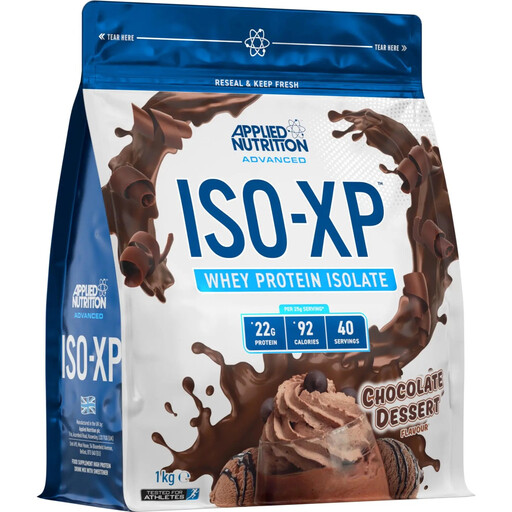
Why This Fits Their Persona: This user is meticulous about their macronutrient intake. They need maximum protein with virtually zero carbs and fats to support lean muscle goals during a cutting phase or for competitive preparation.
This is a pure whey protein isolate, not a vague blend. The label clearly states it has less than 1g of carbs and fat per serving, directly countering the "Diet Whey Deception" by delivering an exceptionally clean profile.
It delivers an extremely high protein content (90g per 100g) and uses sunflower lecithin, making it soy-free and easy to mix. The protein is sourced from European grass-fed cows.
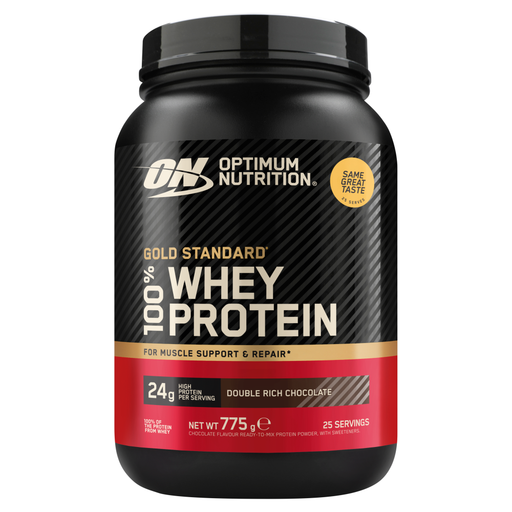
Why This Fits Their Persona: This individual is consistent with their training and wants a reliable, great-tasting protein for post-workout recovery. They need a balanced product that performs well without needing the absolute highest protein purity.
This product is known for its excellent mixability and flavour profile, directly addressing the pitfall of unusable powders. It's an instantised formula designed to dissolve easily, ensuring a smooth shake every time.
It uses a transparent blend with whey protein isolate as the primary ingredient, providing 24g of protein and 5.1g of naturally occurring BCAAs per serving for effective muscle support and recovery.
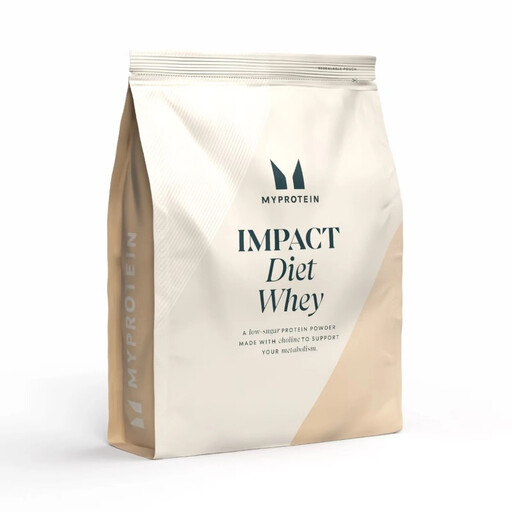
Why This Fits Their Persona: This user is in a calorie deficit and needs a high-protein shake that helps them feel full while supporting muscle retention. They are looking for a true diet whey protein with added functional ingredients.
Unlike misleading "diet" products, this formula is specifically designed for weight management. It is low in sugar (2.5g per serving) and includes ingredients like choline for fat metabolism and 5.7g of fibre to promote satiety.
It provides a very high 34g of protein per serving to help maintain muscle mass. The inclusion of Green Tea Extract, CLA and L-Glutamine creates a comprehensive formula for those with weight management goals.
We have compiled a complete, real-time list of products that fully satisfy these strict selection criteria and UK safety regulations.
Yes, many whey protein powders can be used in baking to create high-protein snacks like brownies, pancakes or muffins. However, some formulations, particularly those designed to be versatile like PhD's Smart Protein, are specifically created for this purpose and may yield better results in texture and taste. Always check the manufacturer's recommendations.
For some consumers, it is. Grass fed whey protein UK products come from dairy cows that have been fed a natural diet of grass. Proponents suggest this can lead to a more favourable nutritional profile in the milk. While it often comes at a higher price point, it is a worthwhile consideration for those who prioritise natural sourcing and animal welfare in their gym supplements.
Bloating is often caused by lactose. If you are sensitive, choosing a whey protein isolate is a good strategy, as the filtering process removes most of the lactose. Products like Applied Nutrition's ISO-XP are specifically formulated to be very low in lactose, fat and carbs, making them easier to digest for many individuals. Starting with a smaller serving size can also help you assess your tolerance.