
24/7 Customer Support

Free returns

Same-day & Next-day Delivery

Quality Guaranteed

Unlock Your Welcome Offers: FREE Delivery | Up to 80% OFF | Free 30-day JoyPlus trial
Download the APP
An at-home IPL hair removal device can reduce the need for frequent shaving, waxing or salon appointments, but choosing one requires more than comparing flash counts and discount labels. IPL is not the same as laser hair removal, and results depend on your skin tone, hair colour, treatment schedule and consistency.
The same applies when comparing IPL with a Braun Silk-épil epilator or a wet and dry epilator. One removes hair at the root for immediate smoothness; the other uses light pulses to target hair growth over repeated sessions. Understanding that difference helps prevent an expensive purchase that does not suit your routine.
An epilator physically removes visible hair from the root, so the skin feels smooth straight after treatment. IPL usually requires a planned series of sessions, followed by occasional maintenance. Marketing descriptions may use phrases such as “permanent” or “hair-free”, but individual outcomes vary.
Check the recommended schedule, expected treatment areas and compatibility information rather than relying on a headline percentage. According to Philips’ own product information, some Lumea models report hair-reduction figures under specified testing conditions; these should not be treated as a guaranteed result for every user.
A skin tone sensor or SmartSkin sensor can recommend or adjust light intensity, but it does not remove the need to check the manufacturer’s compatibility chart. IPL relies on contrast between the hair pigment and skin pigment. Very light blonde, grey, white or red hair may not respond adequately, while some very dark skin tones may be unsuitable for certain devices.
Always carry out the required patch test and read the instructions before treating larger areas.
Cordless operation, app connectivity and multiple attachments can be useful, but they may add cost without improving your routine. A corded device can provide continuous power for full-body hair removal, while cordless IPL hair removal is convenient for reaching awkward areas.
Similarly, an epilator with a flexible head and several caps may be useful if you regularly treat legs, underarms and the bikini line. If you only remove hair from your lower legs, a simpler model may be easier to store and operate.
Look for automatic skin-tone detection, a skin-contact sensor and clearly stated treatment areas. Braun models may use SensoAdapt or Smart SkinProtect Sensor technology, while Philips Lumea devices use SenseIQ and a SmartSkin sensor on selected models.
These systems can help guide intensity, but they do not replace safe preparation. Do not use IPL over tattoos, permanent make-up, very dark moles, open wounds, irritated skin or recent sunburn. Avoid treatment after heavy sun exposure and follow the relevant user manual.
Full-body hair removal may involve legs, arms, underarms, bikini line and the upper lip. A device offering around 10 minutes for a stated full-body session may suit people with limited time, although the actual duration depends on your pace and coverage.
Corded devices are practical for larger areas because they do not require a mid-session recharge. Cordless models offer more flexibility around the bathroom or bedroom, but check battery runtime and charging requirements.
For bikini and underarm hair removal, precision or intimate-area attachments can make positioning easier. Gentle settings are also useful for people who are new to IPL or sensitive to flashes.
For epilation, compare tweezer count, head width, lighting and wet-and-dry capability. Models with 40 Micro-Grip tweezers can capture hairs from around 0.5 mm according to the listed specifications. A flexible or pivoting head may improve contact around knees and ankles, while a shaver head or trimmer cap adds versatility.
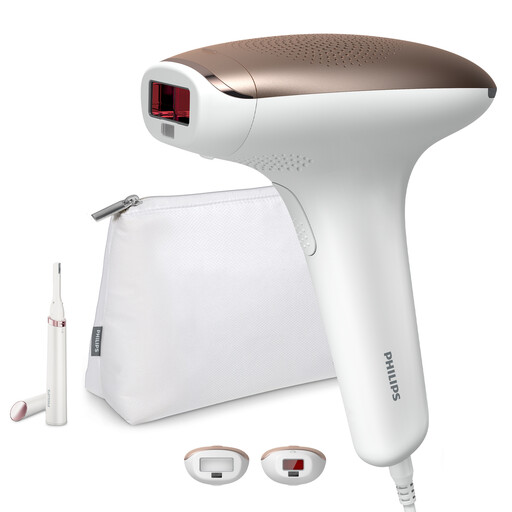
Why This Fits Their Persona: A corded option for users beginning an at-home IPL routine and treating areas such as legs, arms, underarms, bikini area and face.
It clearly lists five intensity settings, a SmartSkin sensor and a corded design, so buyers are not paying for a battery they do not need.
Body and precision attachments; no replacement lamp is listed as required.
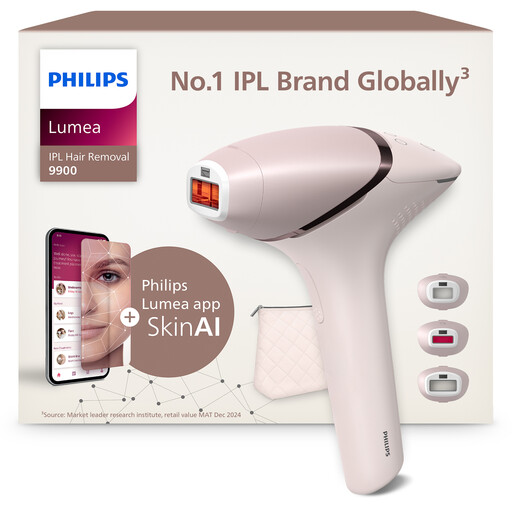
Why This Fits Their Persona: Suitable for shoppers who value app guidance, body-hair tracking and the ability to switch between corded and cordless use.
The product information distinguishes its five light settings, skin-contact sensors and treatment attachments instead of relying only on a headline results claim.
Corded and cordless operation; body, face and precision attachments with app connectivity.
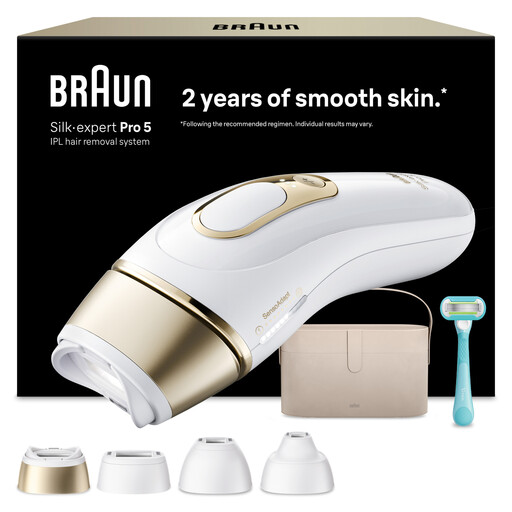
Why This Fits Their Persona: Designed for people planning regular full-body treatments and wanting dedicated heads for body, precision and intimate areas.
It specifies three treatment settings, automatic skin-tone adjustment and an approximately 10-minute full-body session under the stated conditions.
Four treatment heads; Smart SkinProtect Sensor and three comfort settings.
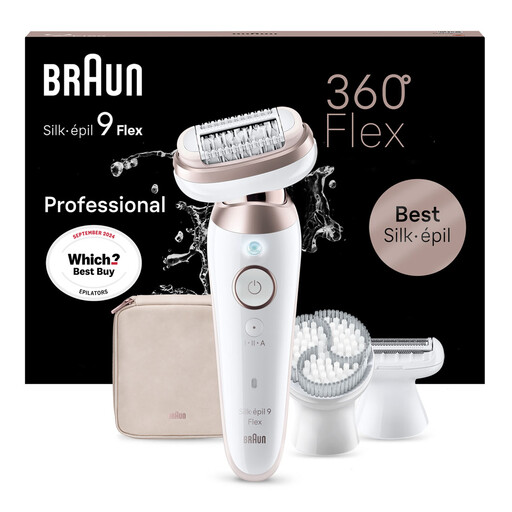
Why This Fits Their Persona: A wet and dry, cordless epilator for users who want immediate results and flexible grooming in the bath or shower.
It does not promise IPL-style reduction; its listed 40 tweezers remove hair mechanically, while the wet-use design supports a different comfort preference.
Fully flexible head; up to 50 minutes of cordless use and shaver, trimmer and skin-contact caps.
We have compiled a complete, real-time list of products that fully satisfy these strict selection criteria and UK safety regulations.
Before using an IPL device:
For an epilator, clean the head after every use and use the appropriate shaver or trimmer attachment for sensitive areas. A two-pin bathroom plug supplied with some UK models is normal for low-power bathroom appliances; use a suitable adapter for a three-pin socket where necessary.
It can be a convenient home alternative to regular salon appointments, but IPL and laser use different light technologies. IPL results are gradual and vary by hair colour, skin tone and treatment consistency. Read the device’s compatibility and safety information before buying.
Manufacturers commonly recommend several initial sessions followed by maintenance treatments. Some product descriptions report visible changes after a small number of treatments, but these are product-specific claims and individual results vary. Following the supplied schedule is more important than increasing intensity or treating more often.
Once purchased, many IPL devices do not require replacement lamps, although electricity, maintenance and any warranty costs should be considered. The practical saving depends on the purchase price, how regularly you use it and whether the device is suitable for your hair and skin profile.