Who these oats suit

Students building a first shared-kitchen cupboard

A shelf-stable breakfast with clear portions and straightforward cooking directions can make a useful starting staple. Waitrose & Partners lists a 1kg plain-oat example with 25 servings and instructions to store it in a cool, dry place, using an airtight container after opening.

Students with rushed morning schedules

Quick-cook oats can suit mornings before lectures or times when kitchen access is limited. Mornflake explains that its smaller flakes absorb water or milk more quickly, while sachets and pots provide pre-portioned convenience.

Students checking gluten or cereal-allergen suitability

Read the exact pack rather than treating all oats alike. Food Standards Agency guidance states that a gluten-free food may contain no more than 20 mg/kg of gluten, while oats must still be identified as an allergen.

Buying priorities

Start with the format that fits your breakfast routine, then check storage directions and the exact ingredient and allergen statement.

Priority What to check Your needs
Regular breakfast use Check pack weight, stated serving size and whether the oats are plain rolled oats or a portioned format. Compare like-for-like formats using the retailer’s unit label. I want enough oats for regular breakfasts without relying on single portions for every meal.
Preparation time Read the hob and microwave directions. Quick-cook flakes absorb liquid faster; jumbo oats are intended for a more textured bowl. My breakfast needs to fit around lectures, shared equipment and the texture I actually enjoy eating.
Storage and waste Follow the pack’s storage wording, including whether it should be kept cool, dry and sealed after opening. Keep the best-before information available. I need a pack that I can keep neatly in a shared cupboard and use before it loses quality.
Gluten and allergens Look for an explicit gluten-free label where needed. Check the full ingredient list and any warnings for oats, wheat, barley, soya or nuts on the chosen pack. I need the exact product label to match my dietary or allergy requirements, not an assumption based on the brand.

Common buying mistakes

  • Comparing only the shelf price instead of the unit label

    Small packs can look easier to buy at checkout, but they may not suit a recurring breakfast routine as well as a larger plain-oat pack.

    Use the retailer’s price-per-kilogram label to compare plain, quick-cook, sachet and pot formats on the same basis. Choose portioned formats when their convenience solves a real problem for you.

  • Assuming all oat products cook and feel the same

    Standard, quick-cook and jumbo oats differ in flake size, cooking time and texture. A format that does not fit your routine can be left unused.

    Choose standard rolled oats for an all-purpose staple, quick-cook oats for speed and a smoother result, and jumbo oats for a thicker texture or flapjacks.

  • Treating gluten-free as the same as allergy-safe

    A gluten-free product can still contain oats, and ordinary oat products may carry warnings relating to wheat, barley or nuts.

    For coeliac or gluten-related requirements, choose a product explicitly labelled gluten-free. For oat, wheat, barley or nut allergies, read the full statement on the exact pack and follow clinical advice where relevant.

  • Leaving an opened bulk bag exposed in a humid shared cupboard

    Storage directions matter when you are keeping a larger pack over several weeks. Damp or unclean containers can reduce the usefulness of a cupboard staple.

    Keep oats sealed in a cool, dry place and transfer them only to a clean, dry airtight container when the pack instructs you to do so.

Relevant brand references

Waitrose

An own-label route for students who can shop with Waitrose or use its grocery service, represented by a basic wholegrain rolled-oat product.

  • The verified Essential Porridge Oats listing gives serving, cooking and storage directions.
  • Availability is retailer-specific, and the product contains oats, a cereal containing gluten.

Mornflake

A specialist oat range covering traditional, quick-cook, jumbo, organic, gluten-free and oatmeal formats.

  • Its range makes it easier to choose between quick preparation, a more textured porridge and gluten-free options.
  • Mornflake notes that ordinary jumbo oats are not suitable for wheat or barley allergy sufferers because of manufacturing methods.

Flahavan's

An Irish oat brand represented in UK retailer listings by standard, quick, jumbo, organic and gluten-free porridge formats.

  • Its gluten-free Irish Pure Oats are described by the brand as certified by the Coeliac Society of Ireland and produced with controls through production.
  • Use the exact UK pack label and check current retailer availability before choosing a specific product.

Jordans

A route for shoppers seeking organic rolled oats or a protein-oat formulation rather than a plain-oat staple.

  • Jordans Organic Porridge is made with organically produced wholegrain rolled oats.
  • Its verified organic product may contain other gluten sources and nuts, while its Protein Oats use wheat protein.

Quaker

A convenience-focused option represented in UK retailer listings by rolled oats, sachets and porridge pots.

  • The range offers both larger rolled-oat packs and pre-portioned formats for microwave preparation.
  • Sachets and pots are a different format from a basic plain-oat pack, so compare the ingredient list and unit label carefully.

Dorset Cereals

A breakfast-cereal brand relevant to an oat-based cupboard shop, with products stocked across major UK retailers according to Dorset Cereals.

  • Its products may be convenient to find in larger grocery shops.
  • The available brand material focuses on granola and muesli, so check the individual product before treating it as a plain porridge-oat alternative.

Joybuy product options

Joybuy product options for a student store cupboard, including plain rolled oats, gluten-free oats and portioned porridge sachets for quicker mornings.
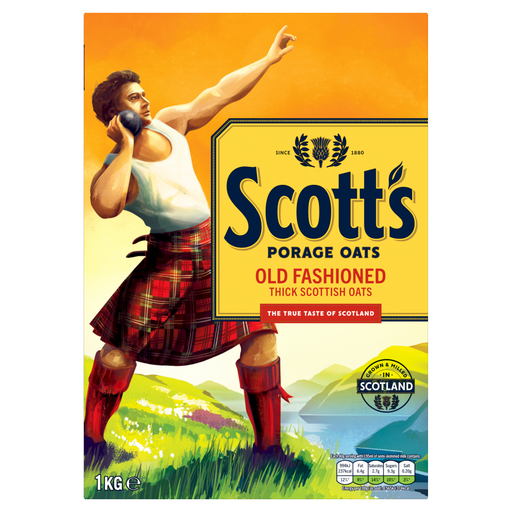
Scotts Porage Oats Old Fashioned Porridge Oats 1kg

Scotts Porage Oats Old Fashioned Porridge Oats 1kg

A plain rolled-oat option for regular breakfasts, with hob and microwave directions for a shared kitchen.

100% rolled oats; 40g serving guidance; 4–5 minutes on the hob or 2–3 minutes in the microwave.

Store in a cool, dry place and move to an airtight container after opening. May contain wheat and barley.

Joybuy

Quaker Oat So Simple Big Bowl Original 6 Pack 231g

Quaker Oat So Simple Big Bowl Original 6 Pack 231g

A portioned option for mornings when you have limited time or no scales.

Six sachets with a stated 38.5g portion; microwave preparation takes 2½ minutes with water or milk.

Contains oats. Check the pack label if you require a gluten-free product.

Joybuy
Morrisons Free From Gluten Free Oats 1kg

Morrisons Free From Gluten Free Oats 1kg

An explicitly gluten-free oat route for shoppers who need that wording on the product label.

1kg pack; 25 portions stated; 100% gluten-free oat flakes.

Oats remain an allergen. Store in a cool, dry place and keep tightly sealed after opening.

Joybuy
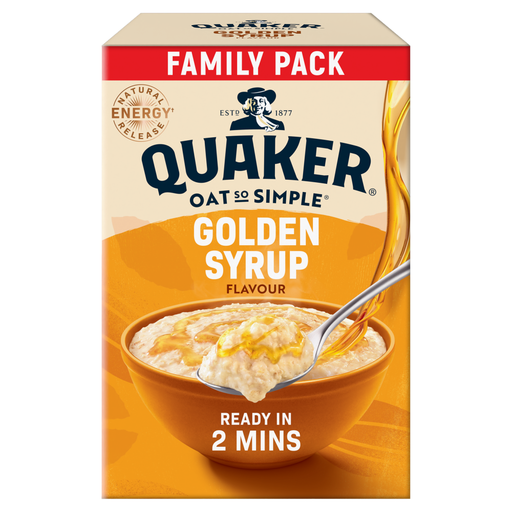
Quaker Oat So Simple Family Pack Golden Syrup 20 Sachets 720g

Quaker Oat So Simple Golden Syrup Sachets 20 Pack 720g

A pre-measured microwave option for frequent quick breakfasts in a shared kitchen.

20 individual 36g sachets with a stated 2-minute microwave method.

Contains sugar and salt, so it is not a like-for-like plain-oat option. Contains oats and may contain barley, wheat and soya.

Joybuy
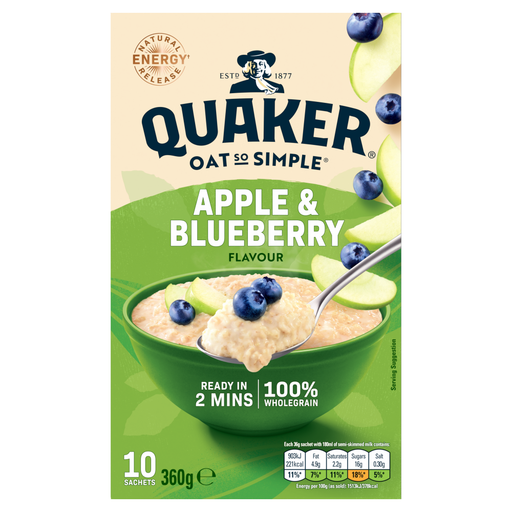
Quaker Oat So Simple Apple and Blueberry Porridge 10 Pack 360g

Quaker Oat So Simple Apple & Blueberry Porridge 10 Pack 360g

A flavoured, individually portioned choice for short pre-lecture breakfasts.

Ten 36g sachets with a stated 2-minute preparation method using water or milk.

Contains sugar, dried fruit and flavouring, rather than plain oats. May contain wheat, barley and soya.

Joybuy

Frequently asked questions

Should I buy a large bag of oats when moving into student accommodation?

A larger pack can suit you if you expect to eat porridge regularly and have dry cupboard space. Waitrose & Partners lists a 1kg example with 25 servings at 40g each; start smaller if you are unsure you will use oats or have very limited storage.

Are sachets better than a bag of porridge oats for university?

Sachets can be the better fit when portion control, no scales or minimum preparation matters most. A bag of plain oats is more flexible for regular porridge, overnight oats, flapjacks and baking.

How should I store opened porridge oats?

Follow the chosen pack. The verified Waitrose Essential Porridge Oats listing says to keep oats in a cool, dry place and, after opening, in an airtight container. Keep the best-before information with the pack so you can assess quality over time.

Are ordinary porridge oats automatically gluten-free?

No. Food Standards Agency guidance states that food labelled gluten-free must contain no more than 20 mg/kg of gluten when sold to the consumer. Buy a specifically labelled gluten-free product where that is your requirement, remembering that oats still need to be identified as an allergen.

Can someone with a wheat, barley, oat or nut allergy use any gluten-free oat product?

No. Gluten-free addresses gluten content rather than every cereal or nut allergy. The Food Standards Agency notes that oats remain an allergen, and individual products can carry warnings for wheat, barley, other gluten sources or nuts, so check the exact pack every time.