
24/7 Customer Support

Free returns

Same-day & Next-day Delivery

Quality Guaranteed

Unlock Your Welcome Offers: FREE Delivery | Up to 80% OFF | Free 30-day JoyPlus trial
Download the APP
Buying chilli sauce and chilli condiments should be simple: choose a flavour, check the heat and add to basket. In practice, attractive packaging and vague descriptions can make it difficult to compare Chinese chilli sauce, Korean chilli sauce, chilli oil, pastes and powders. A jar that works well as a dipping sauce may be unsuitable for stir-frying, while an extra-hot powder can overwhelm an otherwise balanced meal.
This guide explains the practical details to check before buying, followed by product recommendations matched to different cooking habits.
“Hot” does not automatically mean complex or suitable for everyday cooking. A chilli product may deliver heat through dried flakes, fresh chillies, chilli extract or fermented paste, with each option creating a different experience.
Check the intended use and ingredient list instead of relying only on phrases such as “fiery” or “intense”.
Sauces and pastes can vary considerably in their nutritional profile. For example, the listed nutritional information for Lao Gan Ma Spicy Crispy Oil Chilli gives 9.3g of salt per 100g, while Mae Ploy Sweet Chilli Sauce lists approximately 62g of sugars per 100g. These products serve different purposes, so neither figure should be judged in isolation.
Use the nutrition panel to decide how much you are likely to add to a meal. A concentrated chilli bean sauce may only need one or two tablespoons in a wok, while a sweet chilli sauce is often used as a dip or glaze.
Asian sauces and seasonings commonly contain soya, wheat, sesame or gluten-containing ingredients. Fermented bean sauces, Korean pastes and crispy chilli oils require particular attention. Always read the current label, including “may contain” statements, as recipes and packaging can change.
Storage also affects value. Some products need refrigeration after opening, while frozen green chillies must remain at -18°C or below and should not be refrozen after thawing.
For controlled heat, choose a powder or crushed chilli that can be added gradually. Rajah Crushed Red Chillies contain 100% crushed red chillies, making them straightforward to measure into curries, marinades, tacos or infused oil. Rajah Ground Extra Hot Chilli Powder is a more concentrated option for cooks who specifically want extra heat.
For a gentler, more rounded result, choose a prepared sauce or paste. Sweet chilli sauce usually combines sugar, vinegar, garlic and chilli, while Korean gochujang has a thicker consistency and fermented savoury notes.
Texture determines how a condiment behaves in food:
Check the net quantity as well. A 730ml bottle of sweet chilli sauce may suit a family that uses it regularly, whereas a 100g chilli powder or 110g topping may be more practical for occasional use.
Look for clearly listed ingredients and preparation instructions. Lee Kum Kee Chilli Bean Sauce contains broad beans, soya beans and wheat, and the product instructions advise frying one to two tablespoons in oil for around 30 seconds before adding other ingredients. O’Food Gochujang contains soya and wheat, so it is not suitable for people avoiding those allergens.
For UK shoppers, check the label for allergen emphasis, storage directions, best-before information and the responsible business details before consumption. Products described as ready to eat should still be used according to their packaging instructions.
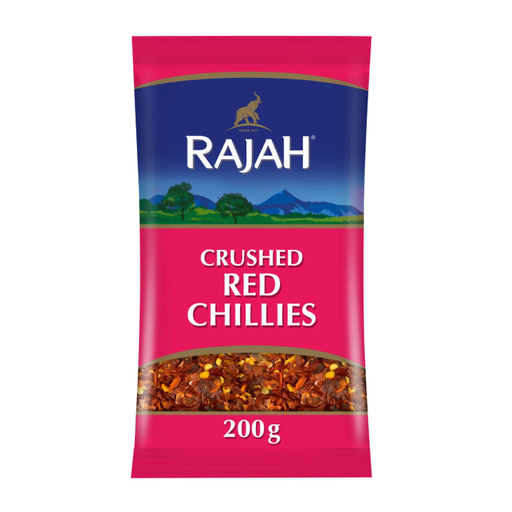
Why This Fits Their Persona: A 200g pack of one-ingredient crushed chillies gives students, new cooks and households a flexible way to add heat without buying several prepared sauces.
The ingredient list is simply 100% crushed red chillies, so there is no added sugar or oil to complicate portion control.
Suitable for Indian, Middle Eastern and Mexican-style dishes; store in a cool, dry place and seal airtight after opening.
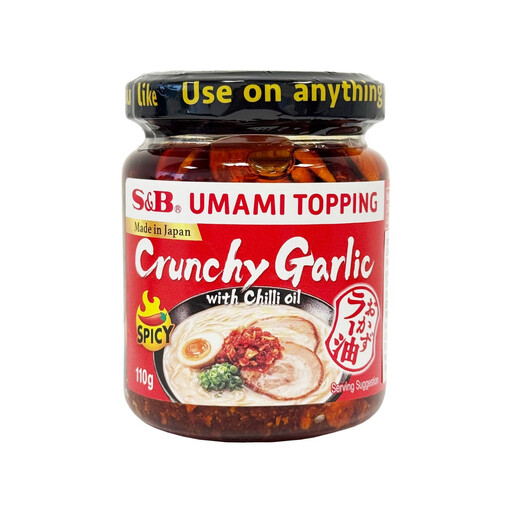
Why This Fits Their Persona: Ideal for cooks who value layered texture and Japanese-style umami in quick meals such as ramen, rice, dumplings and grilled vegetables.
The product format makes its purpose clear: this is a ready-to-use topping with fried garlic and chilli, not a plain cooking oil.
Contains 11.5% fried garlic and 12% chilli pepper; includes wheat, sesame and soya, which are clearly identified in the product information.
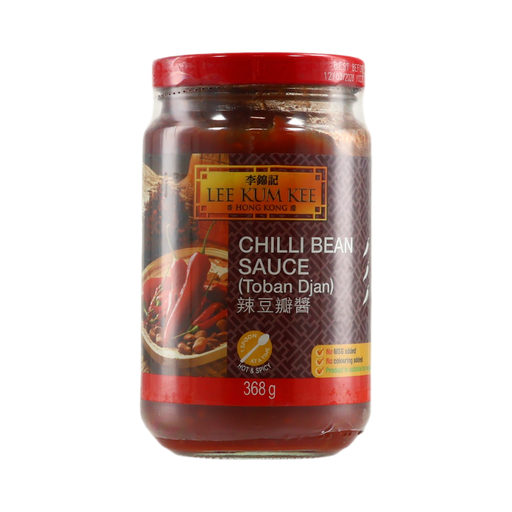
Why This Fits Their Persona: Frequent stir-fry cooks and Sichuan food enthusiasts can use this larger jar as a base for Mapo Tofu, braises and savoury sauces.
Its usage instructions specify frying the sauce first to release aroma, helping buyers understand how to use a fermented chilli condiment properly.
368g quantity; suitable for cooking bases and seasoning; contains broad beans, wheat and soya beans.
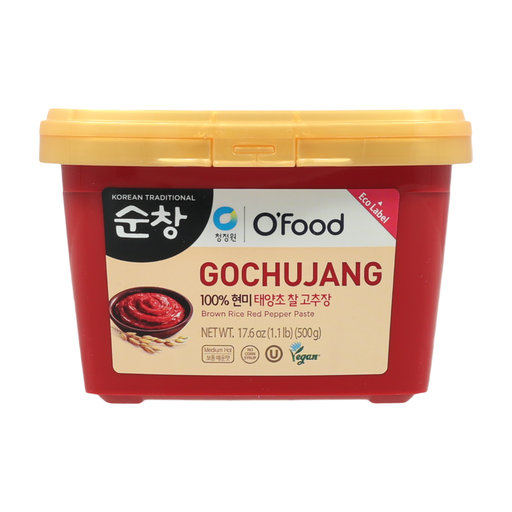
Why This Fits Their Persona: A practical choice for households making Korean stews, marinades, dipping sauces, stir-fries or bibimbap-style meals.
The 500g format suits repeated use, while the product information identifies soya and advises refrigeration after opening.
Thick Korean-style red pepper paste; suitable for stews, marinades and stir-fries; contains soya.
We have compiled a complete, real-time list of products that fully satisfy these strict selection criteria and UK safety regulations.
Start with a product that can be added gradually, such as crushed red chillies or a mild sweet chilli sauce. Gochujang is also adaptable, but it brings sweetness, salt and fermented flavour as well as heat. Add small amounts first and adjust the recipe.
The answer depends on the packaging instructions. Some sauces and oils should be refrigerated after opening and consumed within a stated period. Dry powders and flakes generally need a cool, dry, airtight storage location. Always follow the best-before date and discard products showing mould, unusual odour or damaged seals.
Yes, provided its flavour and ingredients suit the dish. Use plain chilli oil for drizzling or frying, and crispy chilli oil when you want texture from garlic, onion or seeds. Because oil-based products can be energy-dense, check the nutrition panel and use a measured spoon when adding them to rice, noodles or stir-fries.