
24/7 Customer Support

Free returns

Same-day & Next-day Delivery

Quality Guaranteed

Unlock Your Welcome Offers: FREE Delivery | Up to 80% OFF | Free 30-day JoyPlus trial
Download the APP
Chutney can transform a curry, sandwich, cheeseboard or roast dinner, but choosing a jar is not simply a matter of picking the most attractive label. Flavour intensity, sugar and salt levels, allergens, jar size and storage instructions all affect whether a product suits your kitchen.
As the Joybuy Product Recommendation Officer, I focus on practical details rather than promotional wording. This guide explains the common buying traps, the specifications worth checking and which types of chutney may fit different UK households.
The word premium may suggest a richer recipe, but it does not tell you how much fruit, spice or vinegar is in the jar. Compare the quantitative ingredient declaration instead. For example, Geeta’s Premium Mango Chutney lists mangoes at 56%, while Sharwoods Green Label Mango Chutney lists 46% mangoes.
A higher fruit percentage may provide a more prominent fruit character, but it should still be balanced against sweetness, spice and intended use.
Many mango chutney, fruit chutney and onion chutney products contain sugar as a major ingredient. Morrisons Mango Chutney lists 51.8g of sugars per 100g, while Geeta’s Lime Pickle lists 18g of salt per 100g. These products are generally used in small portions, but checking the nutrition panel helps you make an informed choice.
Pickles and Indian chutneys can also contain considerable salt because salt supports flavour and preservation. If you are comparing products, use the per 100g figures, not just the serving suggestion.
A product may be suitable for vegetarians or vegans but still contain or potentially contain allergens. Examples include:
Always check the latest jar label, particularly if buying for guests. Most chutneys should be refrigerated after opening, and recommended use periods vary from around four weeks to three months. A large jar is only economical if your household can finish it within the stated period.
Look for the percentage of the main ingredient. Tiptree Tomato Chutney contains 75% tomatoes, giving it a clearly tomato-led recipe. Hawkshead Relish Mango Chutney lists 51% mangoes, with lemon, lime, cardamom, nigella and chilli contributing additional flavour.
For a traditional mango chutney, compare mango content and spice ingredients. For a tomato chutney, check whether tomatoes lead the list or whether sugar and vinegar dominate.
“Chilli” does not always indicate a very hot product. Tiptree Chilli Chutney contains red peppers and 0.5% chillies, making it suitable for dipping, glazing or serving with chips. A tomato and habanero chilli chutney is likely to provide a more pronounced heat profile because it includes habanero chillies and red chilli paste.
For a milder curry accompaniment, consider mango chutney, onion chutney or a gently spiced Indian chutney. For tang and heat, lime pickle or lime and chilli pickle may be more suitable.
If you follow a plant-based diet, look for clear wording such as suitable for vegans rather than assuming a chutney is automatically vegan. Hawkshead Relish Christmas Chutney and Boxing Day Chutney are listed as suitable for vegetarians and vegans. Tiptree Tomato Chutney is also described as suitable for vegans, vegetarians and coeliacs.
“Free from” statements should still be checked against the current packaging, especially where products are made in shared facilities.
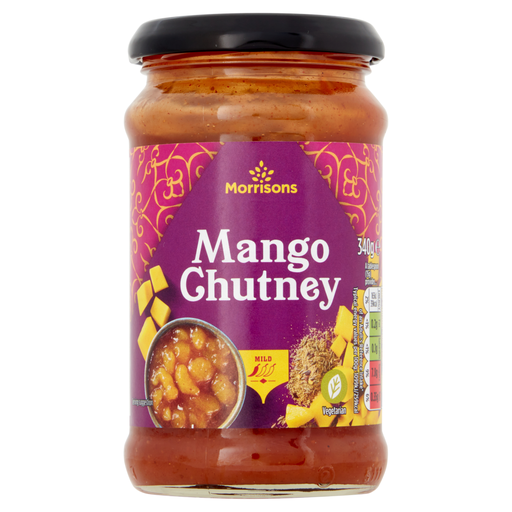
Why This Fits Their Persona: The 340g jar suits regular curry nights, poppadoms and sandwich preparation where a smaller jar may run out quickly.
The ingredient list identifies mango at 44%, allowing shoppers to compare fruit content rather than relying on front-label wording. Check the nut and peanut advisory before serving.
Large 340g format; suitable for curries, dipping and sandwiches.
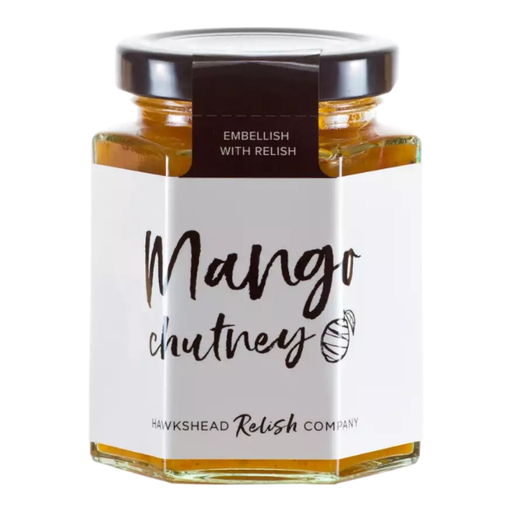
Why This Fits Their Persona: Its citrus and spice profile works for shoppers building a cheeseboard, serving cold meats or adding variety to a curry meal.
The listed ingredients specify 51% mangoes and identify the spices and citrus used, giving a clearer picture of flavour than a generic “fruity” description.
Made in small batches; contains mango, lemon, lime, cardamom and nigella.
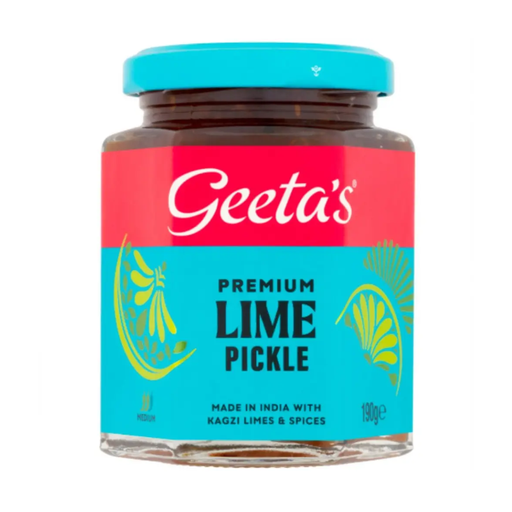
Why This Fits Their Persona: A practical choice for households that regularly prepare curries, rice, naan, grilled meats or other dishes needing a sharp, spicy condiment.
The label states that whole limes make up 45%, while storage instructions explain refrigeration after opening and the need for a clean, dry utensil.
Whole-lime recipe; suitable for curries, breads and grilled dishes. Contains no listed major allergens.
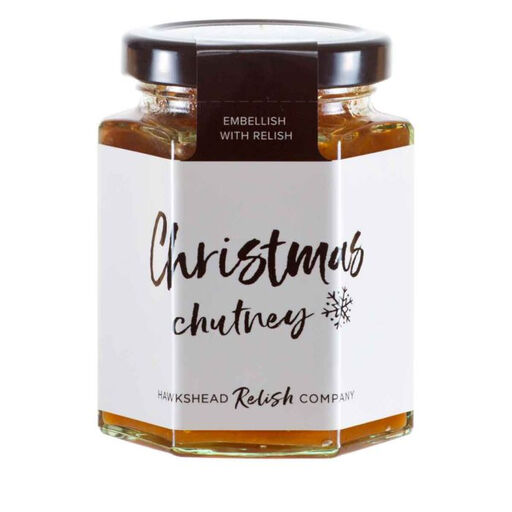
Why This Fits Their Persona: Designed around UK festive meals, it pairs with turkey, crumbly cheese and cold leftovers beyond the Christmas period.
The ingredient breakdown identifies apricots at 27% and cranberries at 7%, while the product information states it is free from nuts, gluten, additives and preservatives.
Vegetarian and vegan-friendly; ambient storage before opening; suitable for festive leftovers and cheeseboards.
Other useful options include tomato chutney for burgers and barbecue dishes, onion chutney for cheese and sandwiches, beetroot and horseradish chutney for a savoury alternative and tamarind dipping sauce for samosas or marinades. For cooking rather than table service, Lee Kum Kee Chu Hou Paste is designed for braising, marinating and stir-frying, while Shezan Tamarind Sauce is supplied in an 830g bottle for frequent use.
We have compiled a complete, real-time list of products that fully satisfy these strict selection criteria and UK safety regulations.
Many chutneys are suitable for vegetarians, and several are vegan-friendly, but recipes vary. Check the ingredients for dairy, honey and animal-derived additives. Products such as Tiptree Tomato Chutney and Hawkshead Relish Christmas Chutney are listed as suitable for vegans. Always verify the current packaging before purchase.
The period varies by product. Examples in this range recommend using Tiptree Chilli Chutney within four weeks, Geeta’s Premium Mango Chutney within six weeks and Morrisons Mango Chutney within three months. Refrigerate opened jars when instructed, keep the lid sealed and use a clean utensil.
Fruit chutney, onion chutney, plum chutney and Christmas chutney generally pair well with mature or crumbly cheese. Tiptree Ploughman’s Plumb Chutney is formulated for a Cheddar ploughman’s lunch, while beetroot and horseradish chutney offers a more savoury, earthy contrast. Compare sweetness, acidity and spice to avoid overpowering the cheese.