
24/7 Customer Support

Free returns

Same-day & Next-day Delivery

Quality Guaranteed

Unlock Your Welcome Offers: FREE Delivery | Up to 80% OFF | Free 30-day JoyPlus trial
Download the APP
Whether you are comparing a face wash, antibacterial hand wash or a multi-purpose cleaner, the same problem appears repeatedly: attractive packaging can hide important differences in formula, compatibility and running cost. A low shelf price may also become poor value if the product is unsuitable for your skin, requires frequent replacement or cannot be used safely on the surfaces you need to clean.
This guide from the Joybuy Product Recommendation Officer focuses on practical details rather than marketing language, helping UK households compare cleansers and cleaning products with greater confidence.
A rich lather can feel reassuring, but foam volume does not automatically indicate better cleaning. Some cleansing foams may leave skin feeling tight, particularly when used frequently or on dry skin. For facial products, check whether the formula includes moisturising ingredients such as glycerin, oat, panthenol or hyaluronic acid, and whether the product is described as low-pH or suitable for sensitive skin.
For household products, a strong fragrance is not evidence of disinfecting performance. If you need a disinfecting cleaner, look for stated usage instructions, dilution ratios and relevant standards such as EN1276, EN13697 or EN14476, rather than relying on scent or claims such as “professional strength”.
“Natural”, “vegan”, “hypoallergenic” and “for sensitive skin” describe different things. A product can contain plant extracts and still include fragrance or ingredients that do not suit everyone. Always check the current ingredient list on the packaging, particularly if you are looking for a sensitive skin cleanser or have reacted to perfumes previously.
The same principle applies to household products. A cream cleaner may be gentle on one hard surface but unsuitable for aluminium, painted wood, natural stone or delicate finishes.
A 150ml facial cleanser, 1L hand wash refill and 5L professional cleaner serve very different purposes. Compare the amount used per wash or cleaning task, not just the bottle price. A refill pouch may reduce packaging and offer more product, while a concentrated cleaner may require accurate dilution before use.
For facial cleansing:
For the home, distinguish between a bathroom cleaner, cream cleaner, multi-purpose cleaner and disinfecting cleaner. Bathroom products often target soap scum, watermarks and limescale, whereas disinfecting formulas require specific contact times and dilution instructions.
A low-pH facial cleanser is commonly selected by shoppers who want a less stripping wash. Ingredients such as glycerin, allantoin, oat and panthenol may support a more comfortable after-wash feel, but no formula is suitable for everyone.
For hand care, compare a standard antibacterial hand wash with a moisturising hand wash if you wash frequently. Glycerin and conditioning agents may help hands feel less dry. If you choose an antibacterial product, follow the label and wash thoroughly with water; no hand wash replaces careful handwashing technique.
Before using a household cleaner:
For example, some bathroom cleaners should not be used on marble, limestone or travertine. Cream cleaners may also advise against use on aluminium, textiles or painted wood. These restrictions matter more than a broad “multi-surface” description.
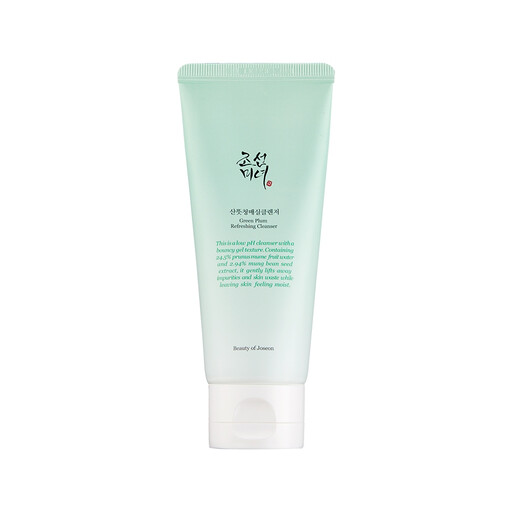
Why This Fits Their Persona: A straightforward daily gel-to-foam option for shoppers starting a simple facial cleansing routine and wanting a compact 100ml format.
Its listed low-pH formula and non-stripping gel texture address the common mistake of choosing foam volume over skin comfort.
Contains green plum water, mung bean extract and glycerin; listed as suitable for sensitive skin.
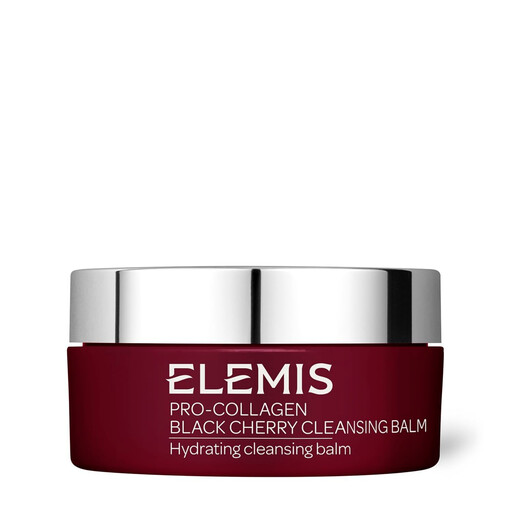
Why This Fits Their Persona: Suits shoppers who prefer a balm texture and a more substantial first cleanse for makeup and sunscreen removal.
The instructions clearly specify dry hands, dry skin and emulsification, reducing the chance of oily residue from incorrect use.
100g balm format; includes almond, oat, jojoba and other plant oils in the listed formula.
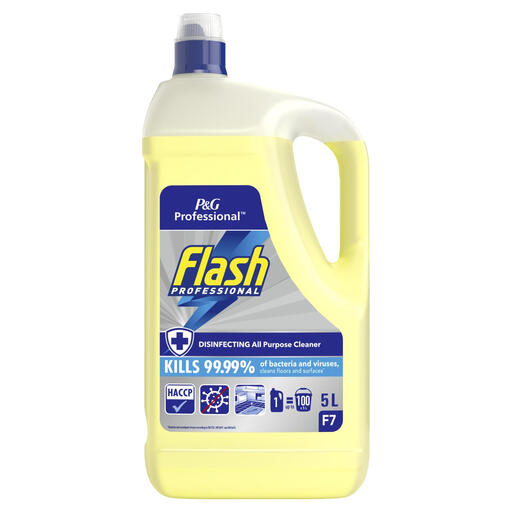
Why This Fits Their Persona: A practical choice for frequent cleaning in larger homes, workplaces or commercial settings where dilution and volume matter.
The listing provides separate 50ml cleaning and 150ml disinfecting doses per 5L of water, rather than leaving dilution unclear.
5L concentrated format; product information references EN1276, EN13697 and EN14476 usage standards.
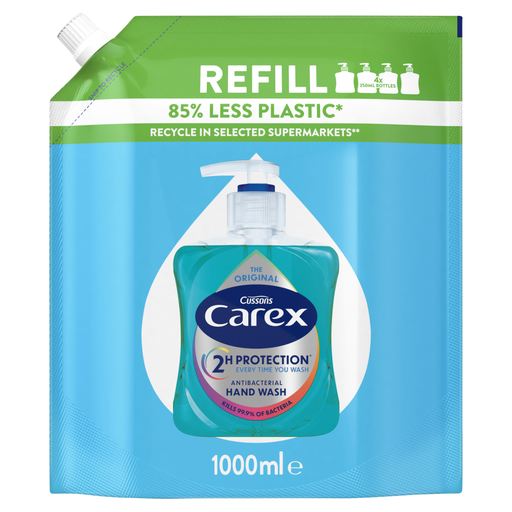
Why This Fits Their Persona: A 1L refill format is suited to busy kitchens, family bathrooms, offices and households that want to refill an existing pump bottle.
Its refill design addresses the hidden cost of repeatedly buying small pump bottles, while the label provides clear refill instructions.
1L net content; product information states a vegan formula and dermatological accreditation.
We have compiled a complete, real-time list of products that fully satisfy these strict selection criteria and UK safety regulations.
This depends on the bottle size and amount used. A 150ml facial cleanser used once or twice daily may last several weeks, while a 200ml format may last longer. Follow the stated usage amount rather than applying more product for extra foam.
They can be useful where the product’s label supports that purpose, but thorough washing with soap or hand wash and running water remains essential. Choose a moisturising hand wash if frequent washing leaves your hands uncomfortable, and follow any product-specific instructions.
No. A multi-purpose cleaner may suit washable hard surfaces, but bathroom cleaner, cream cleaner and disinfecting cleaner can have different restrictions. Always check the label, avoid unlisted materials and test an inconspicuous area before wider use.