
24/7 Customer Support

Free returns

Same-day & Next-day Delivery

Quality Guaranteed

Unlock Your Welcome Offers: FREE Delivery | Up to 80% OFF | Free 30-day JoyPlus trial
Download the APP
Buying coffee in the UK can look straightforward until you compare jars, ground coffee, coffee bags, coffee sachets and international blends. The cheapest-looking option may contain fewer servings, while a premium-looking label may offer little information about roast, ingredients or preparation.
This guide from the Joybuy Product Recommendation Officer focuses on practical details rather than marketing language, helping you choose coffee that suits your routine, taste and budget.
A large jar or coffee multipack is not automatically better value. Compare the net weight, the recommended amount per cup and the number of servings. A 190g instant coffee jar may suit a household that drinks coffee daily, while individually wrapped sachets can be more practical for occasional use, office drawers or travel.
For premixed drinks, also check whether the weight includes sugar, creamer and milk powder. A latte sachet or cappuccino mix may be convenient, but its coffee content can be considerably lower than that of plain instant coffee.
Words such as intense, rich and premium describe a product’s positioning, not an objective quality standard. Flavour depends on the bean type, roast, blend, grind and preparation method. A dark roast may taste more pronounced, but that does not mean it will suit everyone.
Check the ingredient list. Plain freeze-dried instant coffee, roasted and ground coffee, and 100% Arabica coffee are different formats from a sweetened white coffee or flavoured coffee containing creamer and sugar.
Coffee itself is usually free from common allergens, but premixed products may contain milk, lactose, whey powder, soya or sodium caseinate. Always read the current packaging, particularly when buying Malaysian coffee, cappuccino mix or flavoured varieties.
Most regular coffee contains caffeine. Decaf coffee is not necessarily completely caffeine-free, so check the label if caffeine intake is an important consideration. Products containing caffeine should be consumed in moderation, and packaging guidance should be followed by children, pregnant or breastfeeding women and people sensitive to caffeine.
Choose the format that matches how you actually drink coffee:
For everyday coffee at home, a jar is often easier to store and portion. For commuting, hotel stays or shared offices, individually wrapped coffee bags and sachets reduce preparation and storage hassles.
Arabica coffee is often associated with a smoother, more aromatic cup, while blends may combine Arabica and Robusta for a stronger character. Origin can also guide expectations: Colombian coffee may have a balanced profile, while Malaysian or Vietnamese-style white coffee commonly includes creamer and sweetness.
Flavoured coffee, such as hazelnut or caramel, is usually a prepared drink rather than plain coffee. Review the sugar, fat and allergen information per serving, not just the flavour description.
Plain instant or ground coffee generally contributes very little energy when prepared with water. The figure can change significantly when sugar, milk powder or creamer is included. Compare the per-serving values for premixed coffee, and check whether the serving size reflects the way you intend to prepare it.
Store coffee in a cool, dry place away from moisture and strong odours. Reseal opened jars or tins promptly. Ground coffee may benefit from airtight, refrigerated storage according to the product instructions, while sachets should remain dry and protected from direct sunlight.
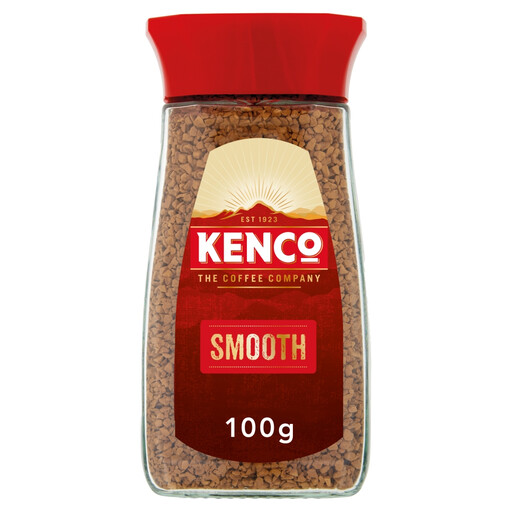
Why This Fits Their Persona: A straightforward freeze-dried instant coffee for shoppers starting a home coffee cupboard without needing brewing equipment.
The listed ingredient is freeze-dried instant coffee, making it distinct from sweetened coffee mixes with added creamer and sugar.
100g jar format; no listed allergens; made in the United Kingdom.
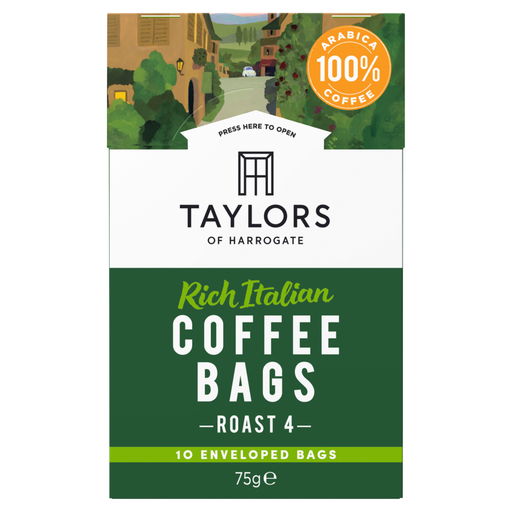
Why This Fits Their Persona: Suitable for drinkers who want ground coffee flavour but prefer the simplicity of a single-cup bag at home or work.
The pack clearly identifies 100% Arabica ground coffee and explains that the bags brew like tea bags, rather than implying they are instant coffee.
75g pack; individually wrapped coffee bags; no listed allergens.
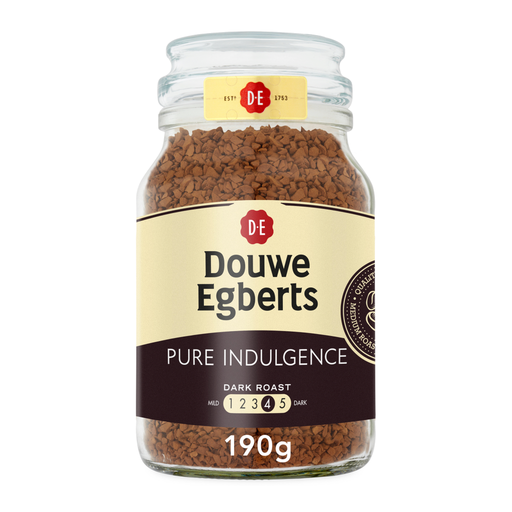
Why This Fits Their Persona: The 190g instant coffee jar is suited to regular drinkers or shared household cupboards where a larger supply is useful.
Its format and net quantity are clearly stated, allowing shoppers to compare it more fairly with other coffee jars and coffee multipacks.
190g pack; 100% freeze-dried instant coffee; suitable for hot or cold preparation.
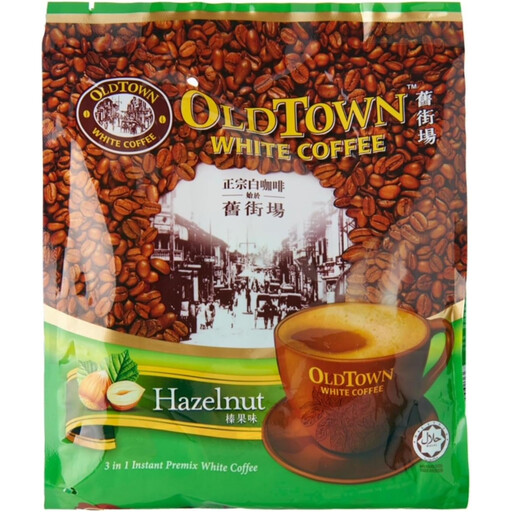
Why This Fits Their Persona: A Malaysian-style white coffee format for shoppers seeking a sweet, creamy hazelnut drink at home, in the office or while travelling.
The ingredients identify creamer, sugar, instant coffee and milk, so shoppers can distinguish this flavoured coffee from plain coffee.
15 individual sachets; preparation requires hot water; contains milk and may contain soya.
We have compiled a complete, real-time list of products that fully satisfy these strict selection criteria and UK safety regulations.
It depends on the serving size, product price and equipment already available. Instant coffee does not require a cafetière, filter papers or a coffee machine, which can reduce preparation costs. Compare the price per 100g and the recommended amount per cup rather than the jar price alone.
Keep instant coffee, sachets and unopened ground coffee in a cool, dry place. Close jars and tins tightly to reduce moisture exposure. Once opened, follow the product’s storage instructions; some ground coffee products recommend an airtight container and refrigeration.
Look for products specifically labelled decaf coffee, such as decaffeinated soluble coffee. Regular instant coffee, Americano coffee and coffee mixes generally contain caffeine unless the packaging states otherwise. Always check the current label, as preparation methods and formulations can affect the amount per serving.