
24/7 Customer Support

Free returns

Same-day & Next-day Delivery

Quality Guaranteed

Unlock Your Welcome Offers: FREE Delivery | Up to 80% OFF | Free 30-day JoyPlus trial
Download the APP
Buying coffee online can seem straightforward until you compare roast levels, formats, pack sizes and preparation methods. Marketing terms such as “intense”, “premium” and “Italian style” do not always explain whether a product suits your equipment, taste or daily routine.
The most sensible choice depends on how you brew, how quickly you use a pack and whether you want pure coffee or a sweetened drink mix. This guide highlights common buying traps, explains the specifications worth checking and matches several coffee products to different UK shopping needs.
A dark roast coffee may taste smoky or bitter, but roast level alone does not reliably tell you how much caffeine is in a serving. Caffeine content can vary according to the bean blend, serving size and brewing method. If caffeine matters to you, check the pack information and follow the preparation guidance rather than relying only on words such as “strong” or “intense”.
Whole bean coffee requires a grinder, while ground coffee must have a grind size suited to your brewer. Espresso machines generally require a fine grind, whereas cafetières work with a coarser grind. Buying beans for a filter coffee routine can create unnecessary cost if you do not already own a grinder.
Instant coffee is more convenient, but a 3-in-1 sachet contains additional ingredients such as sugar and creamer. It is not interchangeable with plain instant coffee or black coffee powder.
A 1kg bag of coffee beans may offer practical value for a household that brews several cups daily, but it can lose aroma if left open for too long. Smaller 200g or 250g packs may suit occasional drinkers better. Always check the best-before date, storage instructions and whether the pack can be resealed. Once opened, coffee should generally be kept in a cool, dry place away from light, heat and strong odours.
Arabica coffee is commonly associated with a smoother, more aromatic cup, while Robusta can contribute a fuller body and stronger bitterness. A blend combines characteristics from both. Neither option is automatically right for every drinker, so consider whether you prefer a lighter, softer profile or a more substantial espresso-style cup.
For example, Lavazza Qualità Rossa uses an Arabica and Robusta blend, while Taylors Decaf Coffee Beans list 100% decaffeinated Arabica coffee. Check the ingredients rather than assuming a product’s name describes the bean composition.
Choose the format that matches your routine:
If you are shopping for espresso beans, also check whether the product is described as suitable for espresso or bean-to-cup machines. Some beans are versatile enough for filter coffee, French press and moka pot use, but the grind must still be adjusted before brewing.
Medium roast coffee often provides a balanced option for everyday use, while dark roast coffee usually has a deeper, more pronounced roasted flavour. Descriptions such as chocolate, caramel, malt or dried fruit are tasting notes, not added ingredients, unless the ingredient list says otherwise.
For flavoured coffee or sachets, read the full ingredient and allergen information. MA KOPIKO BROWN COFFEE contains milk from sodium caseinate and includes sugar and non-dairy creamer. The Xiang Yue Caramel Macchiato sachets also contain milk ingredients. People managing allergies should check the packaging every time, as formulations can change.
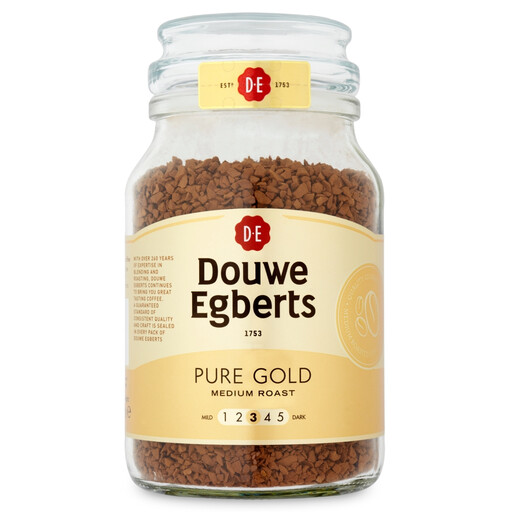
Why This Fits Their Persona: A 190g jar of freeze-dried instant coffee suits new coffee drinkers, shared kitchens and anyone who wants a simple cup without buying brewing equipment.
It is listed as 100% freeze-dried instant coffee, so shoppers are not paying for a sweetened sachet mix when they want plain coffee.
Instant preparation; no declarable allergens listed; medium roast profile.
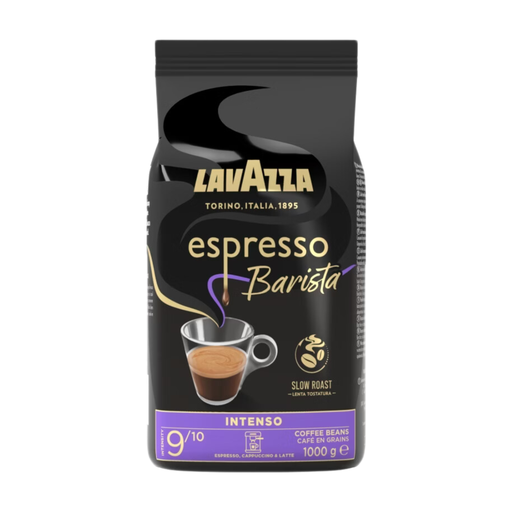
Why This Fits Their Persona: Home baristas with an espresso or fully automatic machine may appreciate a 1kg whole-bean pack and a stated intensity level of 7.
The format and intended equipment are clearly stated, helping avoid a mismatch between whole beans and an instant or pre-ground routine.
Medium roast; chocolate and dried fruit notes listed; suitable for espresso and bean-to-cup machines.
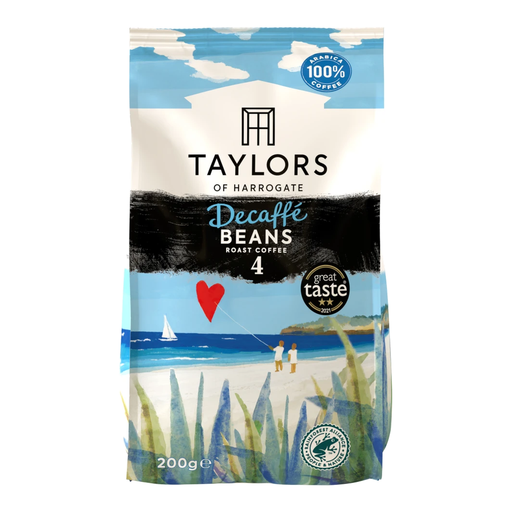
Why This Fits Their Persona: This 200g pack is suited to people who want decaf coffee for later in the day while retaining the option to grind beans at home.
The product is explicitly labelled decaffeinated Arabica, reducing the risk of confusing a low-intensity coffee with a caffeine-reduced option.
100% decaffeinated Arabica; caramel and malt notes listed; no declarable allergens.
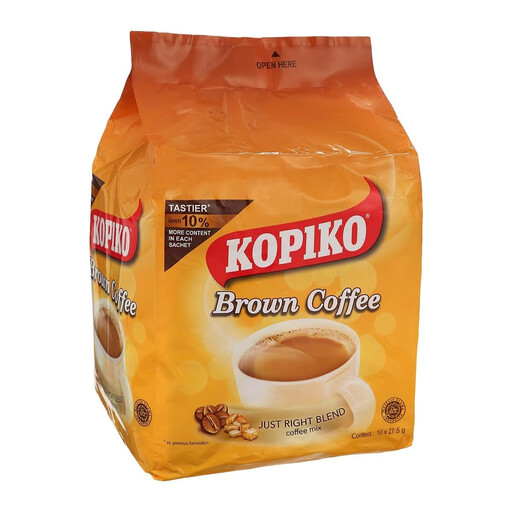
Why This Fits Their Persona: Ten individually packed sachets are convenient for desks, commuting, holidays or situations where a kettle is available but coffee equipment is not.
The product format makes the serving quantity and preparation method clear, while the ingredients show that it is a sweetened coffee-and-creamer drink rather than black instant coffee.
Ten 27.5g sachets; add hot water only; halal certification is stated; contains milk and caffeine.
We have compiled a complete, real-time list of products that fully satisfy these strict selection criteria and UK safety regulations.
Before placing an order for coffee online in the UK, check:
Ground coffee can cost less per serving than pods, but the total cost depends on the coffee dose, equipment and waste. It also requires more preparation and suitable storage. Instant coffee may be more economical for occasional drinkers because it requires no machine or grinder.
Coffee does not usually become unsafe immediately after opening, but its aroma and flavour can decline when exposed to air, heat and moisture. Seal opened beans or ground coffee in an airtight container and store them in a cool, dry place. Smaller packs may be more practical if you only drink a few cups each week.
Usually, yes, if you grind them correctly. Espresso beans are roasted coffee beans rather than a separate botanical type. For filter coffee, use a grind and brewing ratio suited to your machine. A blend described for espresso may produce a fuller or more roasted flavour than a lighter filter coffee, so select according to taste as well as equipment.