
24/7 Customer Support

Free returns

Same-day & Next-day Delivery

Quality Guaranteed

Unlock Your Welcome Offers: FREE Delivery | Up to 80% OFF | Free 30-day JoyPlus trial
Download the APP
Dark circles can look blue, purple, brown or red, and the right concealer for dark circles depends on more than simply choosing a lighter shade. UK shoppers also need to consider damp weather, long working days, dry indoor heating and the delicate texture beneath the eyes.
Marketing language can make every product sound like a complete solution. Before buying, look past broad promises and check the formula, shade, finish and applicator. The following guide explains what matters when choosing an under-eye concealer, whether you want light everyday coverage, a full-coverage concealer or a skincare-led dark circle corrector.
A shade several tones lighter than your complexion can make dark circles appear grey or ashy, particularly on medium, olive and deep skin tones. For everyday wear, choose a shade close to your skin tone. A slightly brighter shade can be used at the inner corners, but it should not replace accurate undertone matching.
Check whether the product is described as warm, cool, neutral or olive. Shade names such as Ivory, Sand, Honey, Buff and Cocoa are not standard across brands, so compare the stated tone and intended skin depth rather than relying on the name alone.
A thick layer of beige concealer may cover some shadow but can look heavy in fine lines. Blue or purple darkness may benefit from a subtle peach or salmon colour-correcting concealer underneath. Brown discolouration may need a shade that does not look overly pink, while redness often suits a muted yellow or neutral base.
Correction and coverage are separate steps. Applying more product is not always the most effective way to neutralise colour.
Ingredients such as vitamin C, niacinamide, hyaluronic acid and botanical extracts may support a moisturising or brightening routine, but a concealer is primarily a cosmetic product. Claims about improving dark circles or visible ageing should be read as product-positioning statements, not guaranteed medical or permanent results.
If you are looking for a vitamin C eye serum, use it as a separate skincare step and follow its directions. Do not expect an anti-ageing concealer to produce the same result as a dedicated skincare product.
For a concealer for blemishes, look for a precise applicator and a finish that matches the surrounding skin. Under-eye products often need more flexibility and hydration.
A liquid concealer is convenient for layering and blending, while a stick corrector can provide targeted coverage on spots and redness. Ingredients such as glycerin, squalane, sodium hyaluronate and dimethicone may help create a smoother-feeling finish. However, check the complete ingredient list if you have sensitive skin or known allergies.
“Long-lasting” descriptions can refer to different wear conditions. Humidity, tears, rubbing and oily skin may all affect performance. Setting a small amount with finely milled powder can improve wear, but too much powder may make the under-eye area look dry.
A concealer with sponge applicator can be fast and convenient, particularly for commuting or touch-ups. Built-in applicators should not be shared, and they should be kept clean according to the product instructions. A brush or clean fingertip may provide better control for sensitive areas.
Always follow the packaging directions. Avoid direct contact with the eyes, discontinue use if irritation occurs and check the current ingredient list printed on the product.
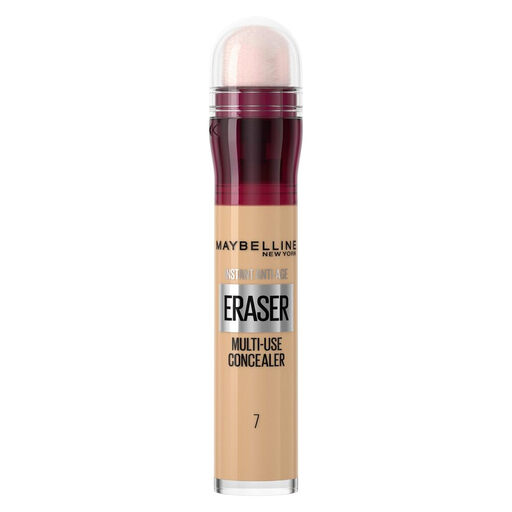
Why This Fits Their Persona: A practical starting point for everyday under-eye makeup, with a built-in micro-fibre sponge applicator and a liquid, blendable format.
The shade is described for light to medium complexions, helping shoppers check suitability rather than automatically choosing an overly pale tone.
6.8ml size; sponge-tip application; suitable for dark circles, redness, highlighting and contouring.
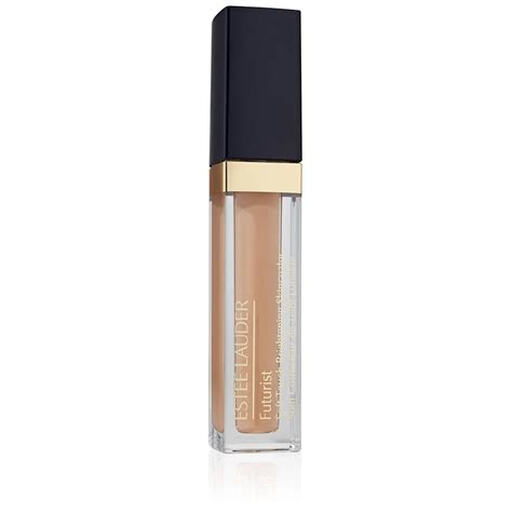
Why This Fits Their Persona: A creamy option for shoppers who want coverage and a comfortable-feeling finish for workdays, events and regular makeup routines.
Its listed creamy texture and buildable application support thin layering instead of relying on one heavy coat beneath the eyes.
Contains glycerin, squalane and sodium hyaluronate; 4C is described as a cool-neutral shade for light to medium skin tones.
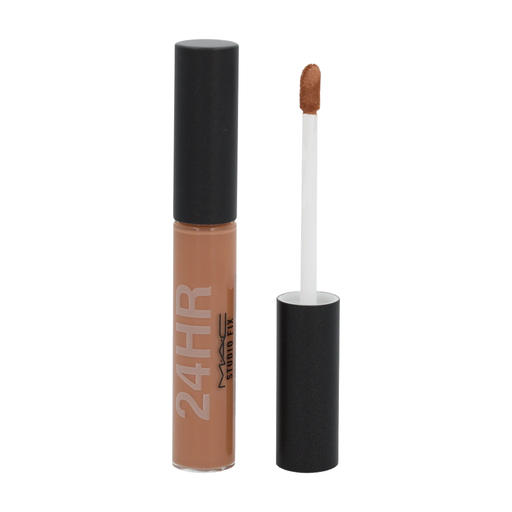
Why This Fits Their Persona: Suits shoppers who prioritise extended wear for commuting, events, photography or humid conditions.
The product information specifies medium-to-full buildable coverage, allowing users to adjust coverage rather than applying a thick layer immediately.
7ml liquid formula; listed 24-hour wear; oil-free and water-resistant formulation with a natural matte finish.
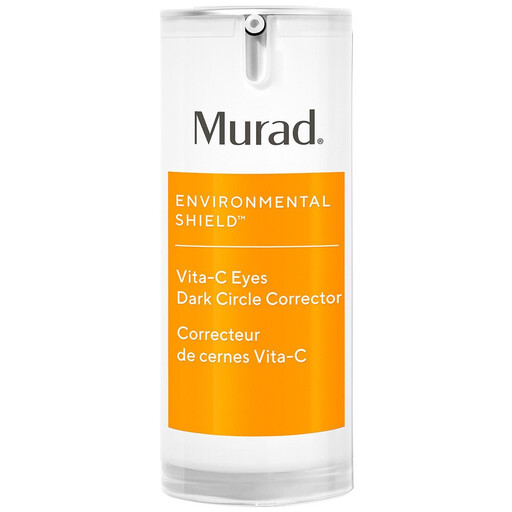
Why This Fits Their Persona: Appropriate for shoppers who want a separate eye serum to use alongside makeup, rather than relying on concealer alone.
It is clearly positioned as an eye serum, helping shoppers distinguish skincare from immediate cosmetic coverage.
15ml format; contains vitamin C derivatives, niacinamide, glycerin and sodium hyaluronate; includes light-reflecting minerals.
We have compiled a complete, real-time list of products that fully satisfy these strict selection criteria and UK safety regulations.
Usually, choose a shade close to your complexion for coverage. A shade around one tone lighter can brighten the area, but going much lighter may create a grey or stark effect. Undertone is as important as depth.
Shelf life varies by product and storage conditions. Keep the container closed, avoid sharing it and follow the period-after-opening symbol or packaging guidance. Replace it if the smell, colour or texture changes, or if irritation develops.
It can be, provided the finish is comfortable and does not become too shiny. Apply a small amount, allow skincare to absorb and set selectively with powder. For very oily areas or blemishes, a lighter, more matte formula may be easier to control.