
24/7 Customer Support

Free returns

Same-day & Next-day Delivery

Quality Guaranteed

Unlock Your Welcome Offers: FREE Delivery | Up to 80% OFF | Free 30-day JoyPlus trial
Download the APP
Choosing concealer can seem simple until a shade looks grey, a creamy formula settles into fine lines or a promising “long-lasting” finish fades before the end of a working day. For UK shoppers, the right choice depends on more than coverage level. Skin type, undertone, application area and finish all affect whether a concealer looks comfortable and natural.
A full coverage concealer can disguise blemishes, redness and pigmentation effectively, but applying a thick layer beneath the eyes may emphasise dryness or texture. Under-eye skin usually benefits from a thinner, flexible formula, while a blemish may need a more concentrated face corrector.
Look for buildable coverage rather than applying a large amount at once. Two thin layers are often easier to blend than one heavy layer.
Terms such as “skincare-infused”, “brightening” and “anti-ageing” can make a product sound like a replacement for a complete routine. In practice, a concealer is primarily make-up. Ingredients such as glycerin, hyaluronic acid, caffeine, niacinamide or peptides may support a more comfortable skin feel, but they do not replace sunscreen, moisturiser or a targeted treatment.
If uneven tone is a longer-term concern, consider using concealer alongside a suitable anti-dark-spot cream or anti-ageing moisturiser, rather than expecting make-up to change the underlying skin concern.
Lighting, screen settings and the shade range shown on a product page can affect colour decisions. A concealer that is too pale may make dark circles appear ashy, while a warm shade can look orange on cooler undertones.
Check the listed shade description where available, compare it with your foundation and consider whether you need:
Choose coverage according to the concern rather than selecting the highest level automatically.
A luminous finish can make dry-looking skin appear more comfortable, while a matte finish may suit oily areas or blemishes. If you have combination skin, using different amounts—or even different finishes—on separate parts of the face can produce a more balanced result.
A hydrating concealer should blend without dragging and should not leave the skin feeling tight shortly after application. Ingredients such as glycerin, sodium hyaluronate, squalane and emollient oils can contribute to a smoother-feeling formula.
However, ingredient lists should be checked carefully if you have sensitive skin. Fragrance, botanical extracts and preservatives may not suit everyone. Always follow the packaging guidance, perform a patch test when appropriate and stop using the product if irritation develops.
“Long-lasting” does not mean identical wear for every person. Weather, skin oil, face moisturiser, mask use and rubbing can all affect longevity. For a more reliable result:
A luminous concealer can complement dry or dull-looking skin, while a soft matte finish may be more practical for blemishes and combination skin.
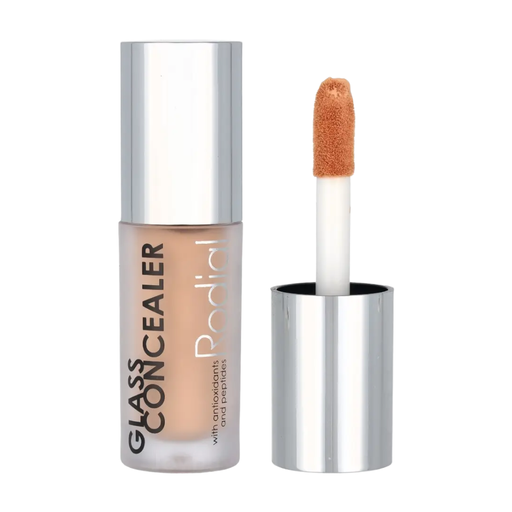
Why This Fits Their Persona: A versatile option for shoppers wanting one product for dark circles, redness and blemishes, whether preparing for work in Manchester or a weekend occasion in London.
Its creamy formula is described as full coverage with a luminous finish, helping avoid the flat, overly dry look that can occur with heavy matte products.
Contains glycerin, caffeine, guarana extract and palmitoyl hexapeptide-12; available in a portable 5.5 g format.
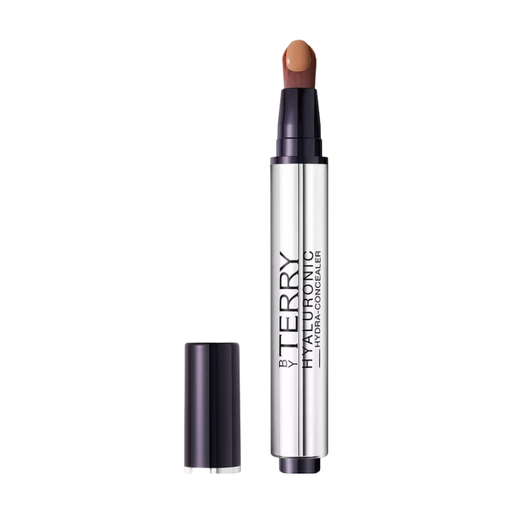
Why This Fits Their Persona: Suits shoppers who prioritise a skincare-led feel and a refined finish for daily under-eye make-up.
Its product description specifies buildable coverage and a non-drying, non-cakey, non-crease formula rather than requiring one thick layer.
Includes hyaluronic acid and offers a lumi-matte finish; the listed shade is Medium Dark.
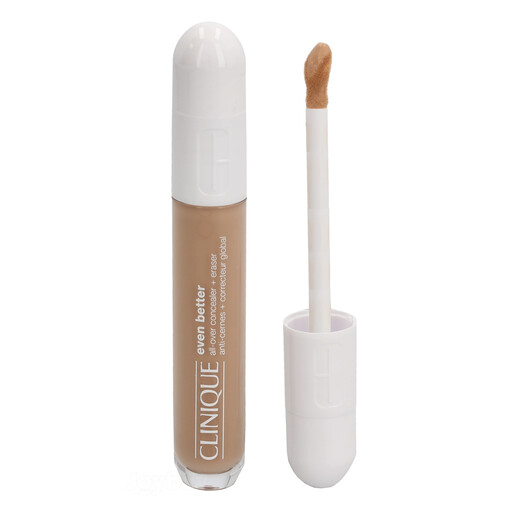
Why This Fits Their Persona: A practical choice for long workdays, travel and frequent touch-ups when a dual-ended applicator is useful.
The product information lists up to 12-hour wear and a lightweight texture, while the built-in sponge supports controlled blending.
Fragrance-free according to the product description; dual-ended wand and sponge applicator.
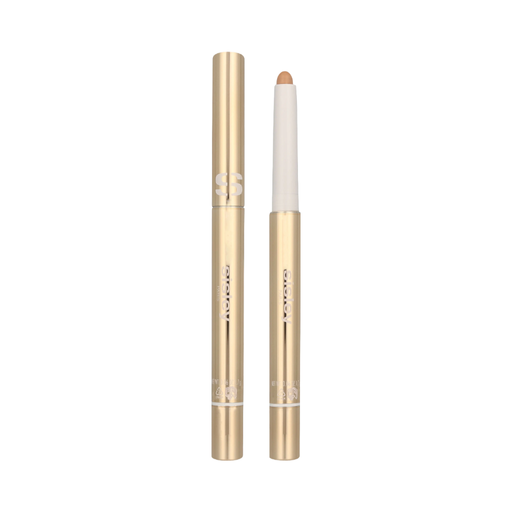
Why This Fits Their Persona: Designed for shoppers who prefer targeted application on blemishes, dark spots and areas of redness rather than applying concealer across the whole face.
The concealer stick has a precision tip and built-in sponge, reducing the need to use excess product over surrounding skin.
Creamy high-coverage stick format; listed ingredients include bisabolol, sodium hyaluronate and kaolin.
We have compiled a complete, real-time list of products that fully satisfy these strict selection criteria and UK safety regulations.
Apply eye moisturiser sparingly, allow it to absorb and use a small amount of flexible concealer. Tap it into place, then remove any excess from expression lines before lightly setting the area. A hydrating formula may feel more comfortable, but avoid applying too much product.
The usable period depends on the formula, packaging, storage and frequency of use. Follow the period-after-opening symbol and discard the product if its smell, colour or texture changes. Do not share eye make-up and keep applicators clean to reduce contamination.
For blemishes, a close match usually looks more discreet. For dark circles, a slightly brighter shade can lift the appearance of the eye area, but an overly pale colour may look grey. Compare the shade with your foundation and consider your undertone before purchasing.