
24/7 Customer Support

Free returns

Same-day & Next-day Delivery

Quality Guaranteed

Unlock Your Welcome Offers: FREE Delivery | Up to 80% OFF | Free 30-day JoyPlus trial
Download the APP
Choosing a concealer can seem straightforward until the product creases beneath your eyes, looks orange in daylight or disappears from blemishes within a few hours. Marketing terms such as “full coverage”, “anti-ageing” and “long-lasting” can also make comparison difficult when the real differences are texture, shade range, finish and application method.
The right concealer depends on where you will use it and how your skin behaves. An under-eye concealer may need a flexible, hydrating texture, while a blemish concealer often benefits from more pigment and a finish that stays in place. Here is how to avoid common buying mistakes and narrow down suitable options.
Names such as “Ivory”, “Nude”, “Caramel” and “Honey” are not standard shade measurements. The same name can look different between brands. Undertone matters just as much as depth:
For under-eye concealer, a shade close to your skin tone can provide natural coverage. A slightly lighter shade may brighten, but one that is too pale can make dark circles look grey. For blemishes and redness, a close skin match is generally less noticeable.
A full-coverage concealer can cover pigmentation and blemishes effectively, but applying a thick layer under the eyes may emphasise dryness or fine lines. A buildable coverage concealer allows you to start with a thin layer and add product only where needed.
Consider using different textures for different areas. Liquid concealer is usually easy to spread across the under-eye area, while a concealer stick can provide targeted application on small marks. Neither format is automatically suitable for every skin type.
A “12-hour” or “24-hour” label describes the product’s stated performance conditions, not a promise for every wearer. Oil production, rain, humidity, face masks, skincare underneath and rubbing the eye area can all affect wear.
For longer-lasting concealer application, allow moisturiser and sunscreen to settle before applying makeup. Use thin layers, press rather than rub, and set only areas that crease or become oily.
Coverage ranges from sheer to full. Sheer formulas can even out mild discolouration while retaining a skin-like appearance. Medium, buildable options are more flexible for everyday use. Full-coverage concealer is useful for pronounced marks, dark spots or occasions when you want a more perfected base.
The finish also changes how the product looks:
Look for ingredients that match your preferences, rather than assuming an ingredient creates a guaranteed skincare result. Glycerin, sodium hyaluronate and squalane are included in some formulas for their conditioning or moisture-supporting properties. Products marketed as hydrating concealer options may feel more comfortable on dry under-eyes, but preparation underneath remains important.
If your skin is sensitive or blemish-prone, check the complete ingredient list on the packaging. “Non-comedogenic”, “dermatologist tested” or “ophthalmologist tested” should be treated as product descriptors, not a guarantee that irritation will never occur. Patch testing is sensible, particularly when trying a new formula.
For concealer for all skin tones, check whether the available shade range covers fair, light, medium, deep and extra-deep complexions, with more than one undertone at each depth. Online images can vary with lighting and screen settings, so compare the shade description with your foundation match where possible.
Correcting very deep blue or purple-looking dark circles may require a subtle peach, orange or red-toned corrector before a skin-tone concealer. Apply sparingly to avoid an overly warm result.
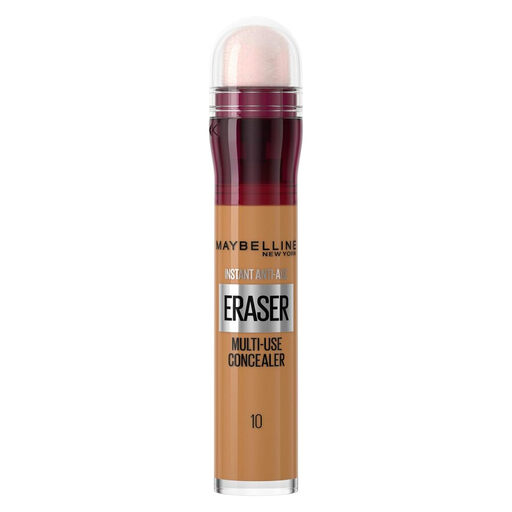
Why This Fits Their Persona: The built-in micro-fibre applicator makes targeted application simple for new makeup users and quick morning routines.
Its buildable liquid texture helps you avoid applying an unnecessarily thick layer under the eyes.
6.8ml format; shade 10 Caramel is described for medium to deep complexions; suitable for concealing, highlighting and contouring.
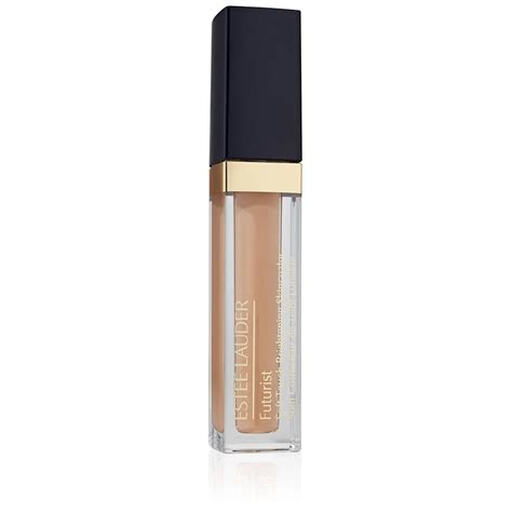
Why This Fits Their Persona: A compact option for shoppers wanting a creamy formula for daily makeup and on-the-go touch-ups.
The product information specifies a lightweight, creamy texture and natural finish rather than relying only on a high-coverage label.
6ml size; includes glycerin, sodium hyaluronate and squalane in the listed formula; 4C is described for light to medium skin with cool undertones.
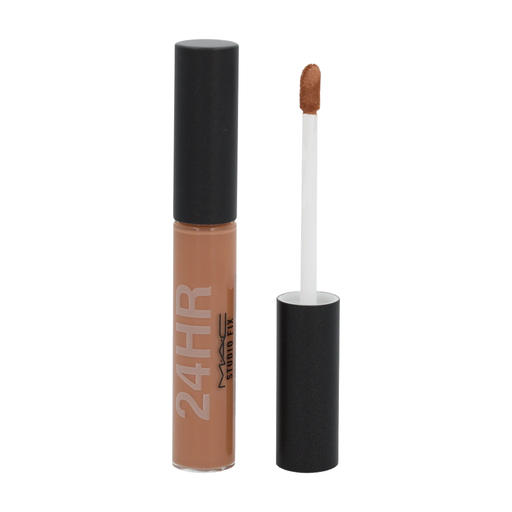
Why This Fits Their Persona: A practical match for long workdays, events or humid conditions when medium-to-full buildable coverage is important.
The stated features identify a liquid texture, buildable coverage and resistance to transfer, sweat and humidity, giving clearer selection criteria.
7ml format; natural matte finish; listed as oil-free and non-acnegenic; NW42 shade.
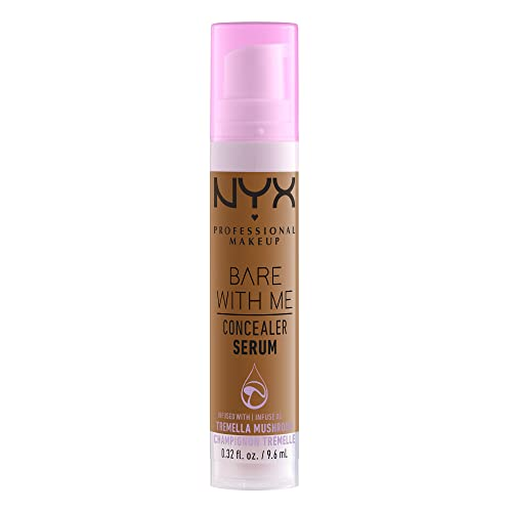
Why This Fits Their Persona: The serum-concealer format suits shoppers who prefer a lightweight, natural-looking finish and adjustable coverage.
Its stated buildable coverage lets you use a sheer layer for under-eyes and add more over redness or blemishes.
9.6ml capacity; Camel is described for medium to deep skin tones; glycerin is included in the supplied formula information.
We have compiled a complete, real-time list of products that fully satisfy these strict selection criteria and UK safety regulations.
Keep applicators clean and avoid sharing eye-area makeup. Follow the product warning label, avoid broken or irritated skin, and stop use if redness, itching, burning or discomfort develops.
Choose a flexible liquid concealer with a close skin-tone match and a finish that does not feel dry. If circles appear strongly blue, purple or brown, a colour corrector underneath may help neutralise the tone before applying concealer.
A concealer stick can provide precise application and concentrated coverage, while liquid concealer is easier to blend across larger areas. The more important factors are shade accuracy, coverage control and whether the formula remains comfortable on your skin.
Check the packaging for the product’s period-after-opening symbol and storage guidance. Keep concealer closed, away from excessive heat and direct sunlight, and do not use it if the colour, smell or texture changes.