Leisure cyclists seeking a compact treat
If you want chocolate for enjoyment on a shorter ride, consider whether you can carry a portion and eat it at a safe stopping point.


Choose dark chocolate for its flavour and as an optional, portioned snack, rather than relying on it as the main fuel for a long or hard ride. British Cycling emphasises regular carbohydrate intake during prolonged riding; if you want chocolate on the bike, compare the exact bar’s carbohydrate and fat values, check its allergens and try carrying and eating it on a training ride first.
If you want chocolate for enjoyment on a shorter ride, consider whether you can carry a portion and eat it at a safe stopping point.
For a long or demanding ride, distinguish an optional chocolate snack from the carbohydrate foods and drinks in your wider fuelling plan. British Cycling notes that eating regularly on the bike can be challenging.
If cocoa strength, a vegan recipe or allergen information affects your choice, compare the exact product and read its current pack before eating it.
Start with the ride’s fuelling demands, then choose a chocolate whose flavour, portion format and labelling work for you. Cocoa percentage alone cannot tell you how much carbohydrate a portion provides.
| Priority | What to check | Your needs |
|---|---|---|
| Ride fuel | Compare carbohydrate and fat per 100 g, then consider the portion you would carry. Divine Chocolate lists 31.7 g carbohydrate and 44.3 g fat per 100 g for its 70% bar; Lindt lists 34 g and 41 g respectively for its 70% bar. British Cycling advises regular carbohydrate intake during prolonged riding. | For a long ride, I need a wider carbohydrate plan rather than expecting a piece of dark chocolate to cover it. |
| Portion and handling | Check the bar size and whether you can divide and pack it before leaving. Consider where you could stop to retrieve and eat it safely; British Cycling notes that regular on-bike snacking can be difficult. | I want a portion I can carry and eat without struggling to unwrap or break a full bar while riding. |
| Cocoa and flavour | Compare cocoa percentage with the exact nutrition panel and ingredients. A stronger cocoa flavour is a taste choice, not evidence that a bar is better cycling fuel. | If I prefer a more intense dark flavour, I still want to know what the portion contributes to my ride plan. |
| Allergens | Read the current pack’s ingredients, allergen information and any may-contain wording. Lindt says its Excellence 70% bar is made to a vegan recipe but is not suitable for people with milk allergy. | When an allergen matters to me, a vegan description or cocoa percentage cannot replace checking the exact pack. |
British Cycling emphasises carbohydrate intake during prolonged riding. For comparison, Divine Chocolate’s 70% bar lists 31.7 g carbohydrate and 44.3 g fat per 100 g, so the carbohydrate in a small piece needs to be considered alongside the rest of your food and drink.
Plan your ride fuel first. If you want to add chocolate, try the portion during training rather than making it your only on-bike food.
Cocoa strength does not tell you the carbohydrate in a portion, its allergen information or whether you will find it practical to eat on a ride.
Choose the flavour you enjoy, then compare the exact bar’s nutrition panel, ingredients and size.
A vegan recipe can still carry a milk-allergy warning. Lindt explicitly says its Excellence 70% bar is not suitable for people with milk allergy.
Read the ingredients and allergen statements on the current pack of the product you intend to eat.
Breaking and retrieving chocolate during a ride adds a handling task when, as British Cycling notes, regular snacking can already be challenging.
Divide and pack a manageable portion before setting off, and choose a safe place to stop before eating it.
These examples illustrate differences to check on individual products; a brand name alone does not establish the nutrition or allergen information for every bar in its range.
Divine Chocolate’s 70% Dark Chocolate is a 90 g bar to consider if you want a plain dark option.
Lindt Excellence Dark 70% is a 100 g bar with a published nutrition panel.
Montezuma's dark range includes a 74% option and flavoured bars for shoppers choosing by taste.
Hotel Chocolat lists 70% and 85% dark slabs and an 80% fruit-and-nut option.
M&S lists plain 70% and 72% dark-chocolate products with separate nutrition information.
These bars offer 70–72% cocoa choices for a portioned treat and 85–90% choices for those who prefer a stronger cocoa flavour. None should be treated as the complete fuelling plan for a long or hard ride.
 No image available
A 70% cocoa bar to consider as a portioned treat for a shorter ride. Check the current pack for allergens and decide how much to carry before setting off.
 No image available
This 72% cocoa bar is another option if you want to pack a portion as a treat. Compare its current nutrition panel and allergen information with your other choices.
 No image available
Choose this 85% cocoa bar if that stronger dark flavour appeals to you as a treat. Its cocoa percentage alone does not establish how much carbohydrate your portion would provide; check the pack when planning ride food.
 No image available
A 100 g bar for someone who prefers an 85% cocoa flavour. Plan a portion before your ride and read this exact product’s current allergen information; do not apply details from Lindt’s 70% bar to it.
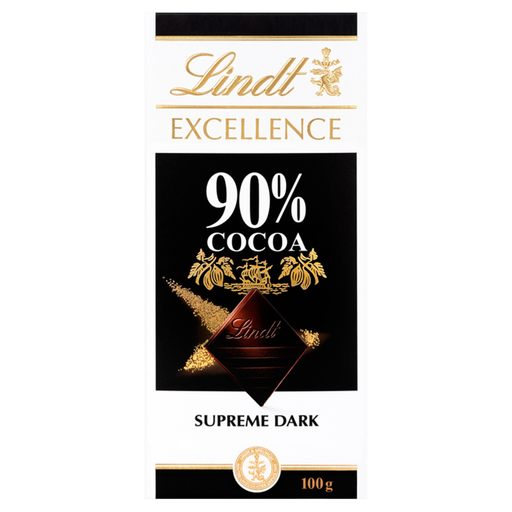 No image available
This 90% cocoa bar is a taste-led choice for someone seeking a very strong dark-chocolate flavour. Check its own nutrition panel, allergens and a manageable portion rather than selecting it as the main fuel for a long ride.
Do not rely on it as your only ride fuel. British Cycling emphasises regular carbohydrate intake during prolonged riding, while a chocolate portion contributes only part of the carbohydrate shown on the bar’s per-100 g panel. Plan other food and drink for the ride and try any chocolate addition during training.
Choose it if you prefer the flavour, not because cocoa percentage establishes better cycling fuel. For a long or hard ride, check the exact bar’s carbohydrate information and consider it alongside your wider fuelling plan.
Portion and pack it before leaving, then stop somewhere safe to retrieve and eat it. British Cycling notes that regular snacking on the bike can be challenging, so try your chosen packaging and portion on a training ride.
Not necessarily. Lindt says its Excellence Dark 70% bar is made to a vegan recipe but is not suitable for people with milk allergy. Check the current ingredients and allergen statement for the exact bar rather than relying on a vegan description.