
24/7 Customer Support

Free returns

Same-day & Next-day Delivery

Quality Guaranteed

Unlock Your Welcome Offers: FREE Delivery | Up to 80% OFF | Free 30-day JoyPlus trial
Download the APP
Buying dark chocolate can seem straightforward until you compare cocoa percentages, added fats, flavourings, ethical labels and allergen statements. A bar labelled “dark” may contain considerably more sugar than expected, while a premium-looking box may be designed primarily for gifting rather than everyday value.
This guide explains the practical details to check before buying, followed by recommendations matched to different shopping needs.
Dark chocolate does not automatically mean 70% cocoa or above. For example, Cadbury Bournville 180g lists 36% minimum cocoa solids, while Nestlé Black Magic Dark Chocolate Box 348g lists 40% minimum. These may suit shoppers who prefer a sweeter, gentler taste, but they are not equivalent to 70% dark chocolate or 85% dark chocolate.
Always check the stated cocoa percentage rather than relying on the product name or packaging colour.
A gift box can offer variety and attractive presentation, but it may also contain fillings, vegetable fats, milk ingredients, nuts and additional sugar. This makes it different from a straightforward dark chocolate bar made mainly with cocoa mass, cocoa butter and sugar.
For gifting, check the assortment and allergen information. For a more concentrated cocoa taste, compare the ingredient list and cocoa solids percentage first.
Dark chocolate may contain or be made alongside milk, soya, nuts, peanuts, eggs, gluten or barley. “Dark” does not necessarily mean vegan, dairy-free or suitable for every vegetarian diet.
Some products are specifically marked suitable for vegetarians, while others contain milk fat, milk powder or butterfat. Read the current packaging before purchase, particularly when buying for someone else.
Cocoa percentage is a useful starting point:
Percentage alone does not describe the entire flavour. Sugar, vanilla, fruit, nuts and the origin of the cocoa can all affect the final result. Morrisons The Best 72% Cocoa Dominican Republic Dark Chocolate and 85% Ecuador bar, for example, offer different cocoa percentages and stated origins.
UK food labels list ingredients by weight, in descending order. Look for cocoa mass, cocoa butter and sugar near the beginning of the list. Some products contain vegetable fats in addition to cocoa butter, which is important if you prefer a simpler chocolate formulation.
Filled products such as dark chocolate truffles naturally include additional ingredients such as milk, cream-related components, nuts or flavourings. That is not necessarily a drawback, but it changes how the product should be compared with a plain bar.
Choose the format according to how you will use it:
Storage also matters. Most products should be kept in a cool, dry place away from sunlight and strong odours. Avoid storing chocolate in the fridge unless the packaging specifically recommends it, as condensation can affect the surface and texture.
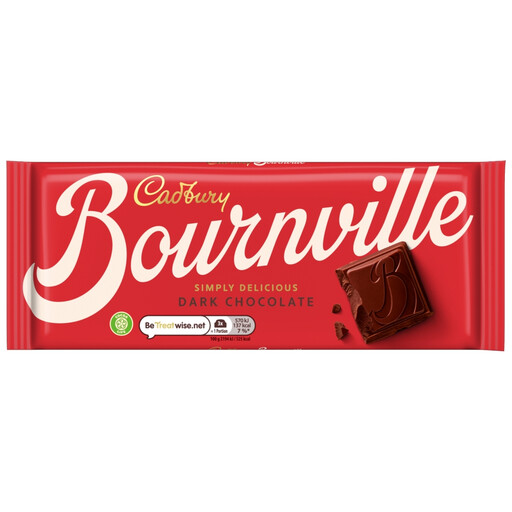
Why This Fits Their Persona: The 180g format is practical for a household cupboard, informal sharing or regular snacking without choosing a high-cocoa bar immediately.
Its listed cocoa solids level is 36% minimum, making the sweeter, less intense profile clear before purchase rather than implying a high-cocoa product.
180g pack; familiar everyday format; suitable for casual sharing and cupboard storage.

Why This Fits Their Persona: A compact bar for shoppers who prefer a more intense cocoa profile and want a clearly stated 85% cocoa solids level.
The cocoa percentage and nutrition information are stated clearly, helping you distinguish it from sweeter dark chocolate with a lower cocoa content.
85% minimum cocoa solids; marked suitable for vegetarians; 100g portion-friendly format.

Why This Fits Their Persona: Designed for UK home bakers making brownies, cakes, biscuits, sauces and other desserts where melting performance matters.
It is identified as cooking chocolate with 70% minimum cocoa solids, so it is easier to match with recipes than a filled snacking bar.
70% cocoa solids; suitable for a range of baking applications; marked Vegetarian Society approved.

Why This Fits Their Persona: A larger assortment for sharing, celebrations or gifting when different filled centres are more useful than a single plain bar.
The box lists 40% minimum cocoa solids and clearly identifies milk, eggs and nuts, so buyers can assess the product as an assortment rather than assume it is high-cocoa chocolate.
348g gift-box format; nine listed centre varieties; suitable for sharing when allergens are acceptable.
We have compiled a complete, real-time list of products that fully satisfy these strict selection criteria and UK safety regulations.
For a fruit-led option, Lindt Excellence Orange Intense contains orange preparation and almonds, while Lindt Excellence Raspberry Intense includes freeze-dried raspberries. Divine Chocolate 70% Dark Chocolate with Raspberries is listed with Fairtrade ingredients and 70% minimum cocoa solids.
For a salty contrast, Lindt Excellence A Touch Of Sea Salt lists 0.3% sea salt. Shoppers seeking Fairtrade dark chocolate or organic dark chocolate should check the exact certification wording, as labels can apply to specific ingredients or use a mass-balance system.
For baking, Morrisons Dark Chocolate Chips contain 50% minimum cocoa solids and are suitable for vegetarians. For an ethical bar, Tony’s Dark Chocolate 180g lists 70% minimum cocoa solids and Fairtrade-traded cocoa, sugar and cocoa butter.
Some dark chocolate is suitable for vegetarians, but not all products have the same formulation. Check the pack for a vegetarian statement and review ingredients for milk, whey, butterfat, gelatine or other animal-derived components.
Often, but not always. The products supplied here list 85% bars with less sugar per 100g than several 70% options. Compare the nutrition panel directly, because recipes and serving sizes vary.
Keep it sealed in a cool, dry place, away from sunlight, heat and strong odours. A cupboard is generally suitable. Allow chilled chocolate to return to room temperature before opening if it has been refrigerated, as condensation may affect its appearance.