
24/7 Customer Support

Free returns

Same-day & Next-day Delivery

Quality Guaranteed

Unlock Your Welcome Offers: FREE Delivery | Up to 80% OFF | Free 30-day JoyPlus trial
Download the APP
Moving from a manual brush to an electric toothbrush can make daily brushing easier, but comparing models is not always straightforward. Product pages often highlight pulse counts, whitening modes and app connectivity while leaving out the details that affect ownership costs and everyday comfort.
The main pitfalls for UK shoppers are usually:
A sonic electric toothbrush uses rapid vibration to move the bristles and toothpaste around the teeth and gumline. Models vary in speed, modes and intensity settings, but the most useful everyday features are often a 2-minute timer and 30-second quadrant prompts. These encourage a consistent routine rather than relying on the motor alone.
For beginners, a gentle mode or gradual-start programme can make the change from a manual brush more comfortable. Users who prefer a stronger clean may value multiple intensities, while those with sensitive gums may benefit more from a soft brush head and low setting than from extra power.
A toothbrush with pressure sensor can alert you when you press too firmly. Depending on the model, this may be a light, vibration or audible notification, and some products reduce the brushing intensity automatically. It is a useful guide, but it does not replace gentle technique or advice from a dental professional.
Check the included head carefully. A gum care electric toothbrush may include a softer head designed for the gumline, while a whitening electric toothbrush usually relies on polishing bristles to help lift surface stains. These products should not be treated as substitutes for professional dental treatment.
Also check compatibility before buying replacement electric toothbrush heads. For example, Philips Sonicare click-on heads fit compatible Sonicare handles, but the Philips One range is excluded from the C3 Premium Plaque Defence heads listed below.
A rechargeable electric toothbrush is convenient for regular use, particularly when it provides several weeks of battery life. A USB-C electric toothbrush can be easier to charge during travel because the cable may also work with other devices. However, confirm whether a USB cable or plug adaptor is included.
Some Philips models supplied with a UK 2-pin plug require a suitable adaptor for a standard three-pin socket. This is normal for low-power appliances such as electric toothbrushes and shavers, but it is still worth checking before ordering.
A travel case is useful for keeping the handle and heads protected in a wash bag. It may also include charging functionality, so compare the case design rather than assuming every travel case charges the toothbrush.
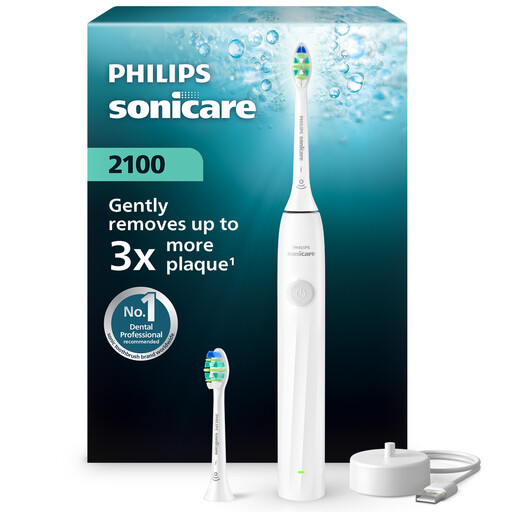
Why This Fits Their Persona: A straightforward rechargeable option for adults moving away from a manual brush, with two intensity settings and up to 14 days of battery life.
It focuses on core functions rather than app features or numerous modes, while the click-on system makes future head replacement easier to plan.
31,000 brush movements per minute, SmarTimer and QuadPacer; two InterCare heads are included.
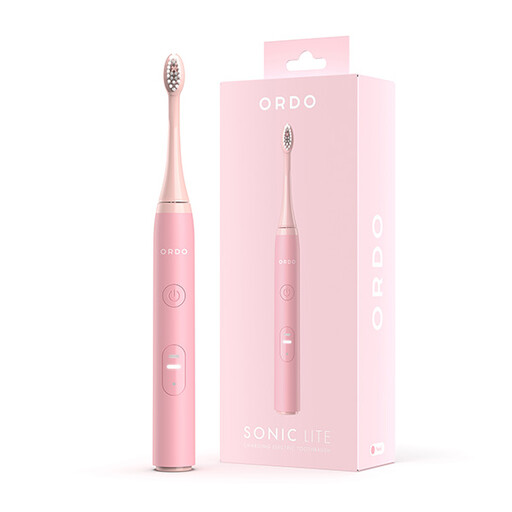
Why This Fits Their Persona: Its USB-C charging and stated 5+ weeks of battery life suit commuters, renters and people who want a simple travel-friendly routine.
USB-C reduces reliance on a dedicated charging dock, and the two-mode design avoids paying for controls you may not use.
35,000 pulses per minute, waterproof construction, USB-C charging and a 2-minute timer with QuadPacer.
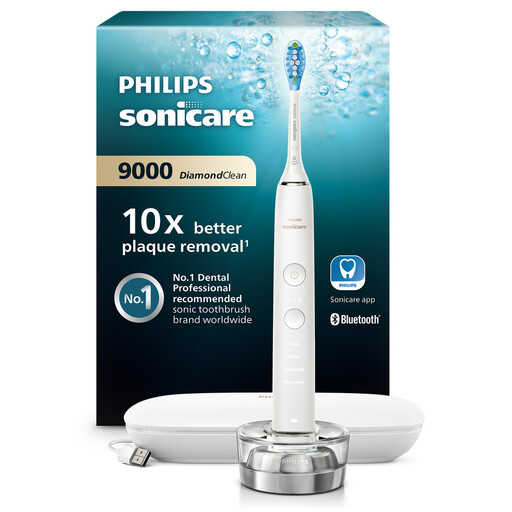
Why This Fits Their Persona: Suitable for users who want multiple settings, app guidance and a dedicated travel case in one rechargeable system.
The four modes, three intensities, pressure sensor and app connectivity are clearly specified, so you can decide whether the added controls justify the price.
Bluetooth app connectivity, four modes, three intensities, pressure sensor and charging travel case.
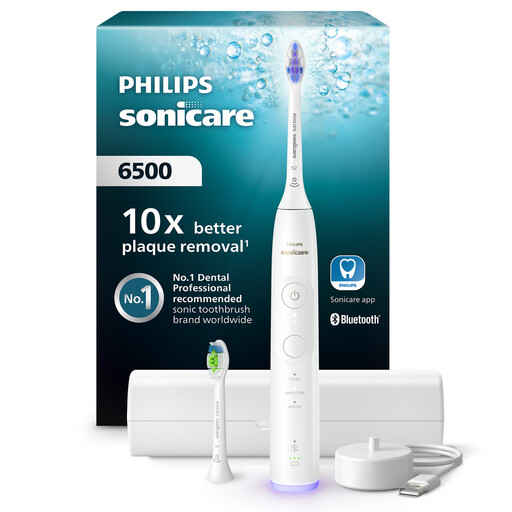
Why This Fits Their Persona: A practical match for frequent travellers or users switching between everyday cleaning, whitening and gum-focused settings.
Three modes and three intensities provide meaningful adjustment, while the pressure sensor helps address the common habit of brushing too hard.
Includes two brush heads, travel case, BrushSync replacement reminders and Philips Sonicare app connectivity.
We have compiled a complete, real-time list of products that fully satisfy these strict selection criteria and UK safety regulations.
Most manufacturers recommend replacing a brush head approximately every three months, or sooner if bristles become frayed. Factor this recurring cost into the purchase price. Philips Sonicare C3 Premium Plaque Defence heads, for example, are sold in a four-pack and are compatible with Philips Sonicare click-on handles except Philips One.
Rinse the head after each use and allow it to air-dry. Do not share a handle or brush head, and keep charging bases and adaptors away from water. A pressure sensor is a useful prompt, but persistent bleeding, pain or irritation should be discussed with a dentist.
Not necessarily. The handle is reusable, but you need replacement heads and electricity or batteries. Rechargeable models generally avoid regular AA battery purchases, while USB-C charging can be convenient if you already own compatible cables. Compare the cost and availability of heads before choosing.
Lifespan depends on battery condition, charging habits, cleaning and construction. A rechargeable model can remain useful for several years, but the brush head should still be replaced around every three months. Check the manufacturer’s warranty and avoid using a handle, charger or head that is damaged.
No. App connectivity is useful if you want brushing feedback, session tracking or guidance. If you mainly need a timer, pressure alert and reliable daily cleaning, a simpler electric toothbrush may offer better value and fewer features to manage.