
24/7 Customer Support

Free returns

Same-day & Next-day Delivery

Quality Guaranteed

Unlock Your Welcome Offers: FREE Delivery | Up to 80% OFF | Free 30-day JoyPlus trial
Download the APP
Buying gummy sweets and chewing gum can seem straightforward, but attractive packaging and broad flavour claims do not always tell you what is inside the pack. Whether you are choosing fruit gummies for a family cupboard, Japanese gummies for sharing or sugar-free chewing gum for your commute, a few checks can prevent unsuitable purchases and unnecessary spending.
Words such as “fruit”, “tropical” or “natural” can describe a flavour profile rather than the amount of fruit used. Check the ingredients list for fruit juice, purée or concentrate, and note where these appear in the order of ingredients.
For example, some fruit gummies list concentrated juice, while others mainly contain glucose syrup and sugar with added flavourings. Neither option is automatically unsuitable, but the distinction helps you choose according to your expectations.
Many chewy sweets contain gelatine, including several Japanese gummies, peelable gummy sweets and traditional wine gums. This means they may not be suitable for vegetarians or vegans. Some products also list soya, milk, sulphites, nuts or peanuts as ingredients or possible traces.
Parents should also read colour warnings carefully. Certain products containing colours such as E110, E129 or similar additives may carry a statement about possible effects on children’s activity and attention. Always check the current packaging before serving.
Sugar-free chewing gum may contain polyols such as sorbitol, maltitol, mannitol or xylitol. These sweeteners can be useful when you want mint chewing gum or fresh-breath gum without sugar, but excessive consumption may produce laxative effects. Sugar-free gum is still a confectionery product, so portion awareness remains sensible.
Nicotine gum requires a separate level of care. It is a smoking-cessation product, not ordinary chewing gum. Check the strength, age guidance, maximum daily amount and enclosed leaflet. Anyone who is pregnant, breastfeeding, taking medicines or unsure about suitability should seek advice from a pharmacist or healthcare professional.
A 65g peg bag works well for occasional snacking, lunchboxes or party bags, while a 350g carton or sweets multipack is more suitable for sharing and cupboard storage. Bottle formats containing 30 or 46 pieces are convenient for handbags, desks, cars and travel.
Compare the total weight or piece count, rather than judging value from the size of the outer packaging. A larger-looking bag may contain fewer individual portions than expected.
Look for the following before ordering:
Product formulations can change. Use online information as a guide, then confirm the physical label when your order arrives.
Gummies can harden, stick together or lose texture if exposed to heat, moisture or sunlight. Store unopened packs in a cool, dry place and reseal bags after opening.
Small, chewy sweets present a choking risk. They should not be given to children under four, and children who can safely chew should remain seated and supervised while eating. Keep nicotine gum out of the sight and reach of children and never treat it as a sweet.

Why This Fits Their Persona: The 120g pack offers a practical amount for casual sharing, family film nights or trying peelable gummy sweets without buying several separate flavours.
The pack size is clearly stated, and the product information identifies gelatine and possible nut traces rather than leaving dietary suitability unclear.
Berry assortment; peelable two-texture format; resealable 120g bag.
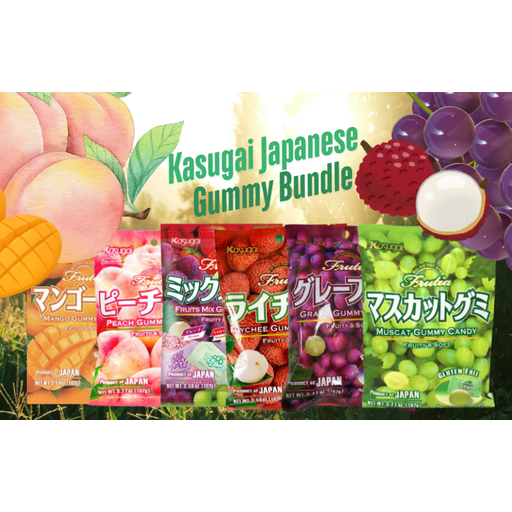
Why This Fits Their Persona: A multi-flavour option for shoppers who enjoy Japanese gummies, fruit-led profiles and variety for tasting or sharing.
Flavour-specific ingredient and allergen information helps you check differences between peach, lychee, mango, grape and mixed-fruit options.
Multiple fruit flavours; products made in Japan; suitable for sampling and sharing.
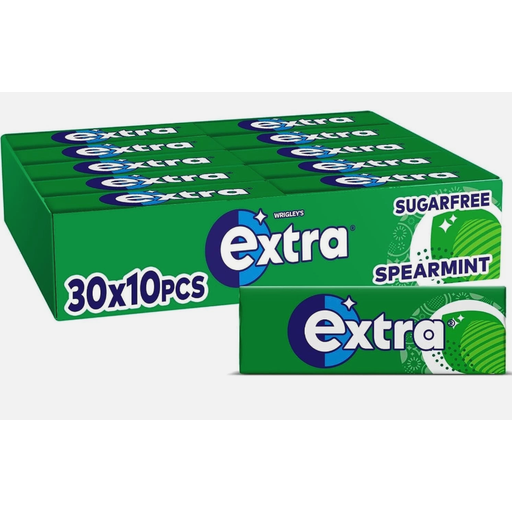
Why This Fits Their Persona: The 30-pack format suits regular commuters, workplaces, households and anyone who prefers to keep separate packs in different locations.
The listing gives the total quantity and highlights the need to limit consumption because excessive polyols may have a laxative effect.
300 pieces in total; spearmint flavour; sugar-free formula with xylitol listed among the sweeteners.
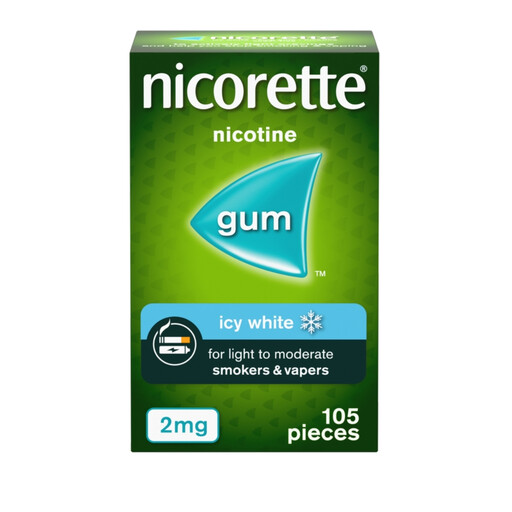
Why This Fits Their Persona: Intended for adults and eligible users aged 12 and over who are looking for a portable nicotine-replacement gum format while reducing or stopping smoking, subject to the product leaflet.
It is clearly separated from ordinary confectionery and includes strength, chewing instructions and a stated maximum of 15 pieces per day.
105-piece pack; 2mg strength; icy mint flavour. Read the leaflet and seek professional advice where appropriate.
We have compiled a complete, real-time list of products that fully satisfy these strict selection criteria and UK safety regulations.
Some products are labelled for children aged four and over, but suitability depends on the child’s ability to chew and swallow safely. Children should be seated and supervised, and sweets should be kept away from children under four. Always check the pack for allergen and colour information.
Unopened gum generally remains suitable until the best-before date printed on the packaging when stored in a cool, dry place. Heat and moisture can affect texture and flavour. Keep bottles closed and avoid leaving gum in a hot car.
No. Nicotine gum contains nicotine and is used according to specific instructions for smoking cessation or reduction. Do not swallow it, exceed the stated daily amount or give it to children. Read the leaflet and speak with a pharmacist or healthcare professional if you need advice about strength or suitability.