
24/7 Customer Support

Free returns

Same-day & Next-day Delivery

Quality Guaranteed

Unlock Your Welcome Offers: FREE Delivery | Up to 80% OFF | Free 30-day JoyPlus trial
Download the APP
Choosing between body and face moisturisers can feel straightforward until you compare ingredients, textures, fragrance and product claims. A rich cream may feel comforting but sit heavily on combination skin, while a lightweight lotion may not be enough for rough elbows or winter-dry legs.
For UK shoppers, the most useful approach is to match the formula to your skin’s needs rather than relying on packaging promises. Whether you need a hydrating body lotion, facial moisturiser, moisturiser for dry skin or a fragrance-free moisturiser for sensitive skin, check the details below before buying.
Silicones, oils and occlusive ingredients can make skin feel smoother immediately. That does not necessarily mean the formula will provide long-lasting hydration. Look for a combination of humectants, such as glycerin or hyaluronic acid, and emollients or occlusives, such as shea butter, petrolatum, squalane or dimethicone.
A product described as offering 24- or 48-hour moisture should still be assessed by its full ingredient list, size and suitability for your routine. Reapplication may be needed after handwashing, bathing or exposure to cold weather.
Coconut oil, cocoa butter, botanical extracts and essential fragrance materials can be useful parts of a formula, but natural ingredients may still cause discomfort for some users. Vegan status relates to animal-derived ingredients and does not automatically mean fragrance-free or suitable for reactive skin.
If you are shopping for a vegan moisturiser, check whether the product is also free from ingredients you personally avoid. For babies, children or eczema-prone skin, read the packaging carefully and consider a patch test.
Body creams are often richer and may contain fragrance, while face creams are commonly designed with lighter textures and facial skincare ingredients. A cocoa butter lotion can be practical for dry limbs, but a dense or fragranced formula may not suit every face.
Likewise, a light facial moisturiser may be comfortable under make-up but uneconomical for full-body use. Consider the product’s volume and intended area before comparing price.
For dry or dehydrated skin, look for:
Those with sensitive skin may prefer a fragrance-free moisturiser with a shorter ingredient list. Fragrance is not automatically unsuitable, but it can be a consideration if your skin is easily irritated.
Choose a gel cream or fluid lotion if you dislike a greasy finish, apply skincare beneath make-up or need something that absorbs quickly before leaving home. Rich creams and balms may be more practical for very dry areas, particularly after bathing.
A Korean skincare cream may offer a layered routine-friendly texture, while a traditional body cream can be better value for larger areas. “Firming body cream” and “anti-ageing cream” descriptions should be understood as cosmetic positioning: they may improve the temporary appearance of smoothness, hydration or suppleness, but they should not be treated as medical claims.
A 50ml facial cream and a 400ml body lotion serve different buying needs. Estimate how often you will use the product and where it will be applied. Larger pumps or bottles can reduce the need for frequent repurchasing, while smaller tubs are convenient for travel or trial use.
Also check for parabens, dyes, fragrance, nut-derived oils and animal-derived ingredients if these matter to your household. Always follow the current packaging, especially where ingredient lists or warnings may change.
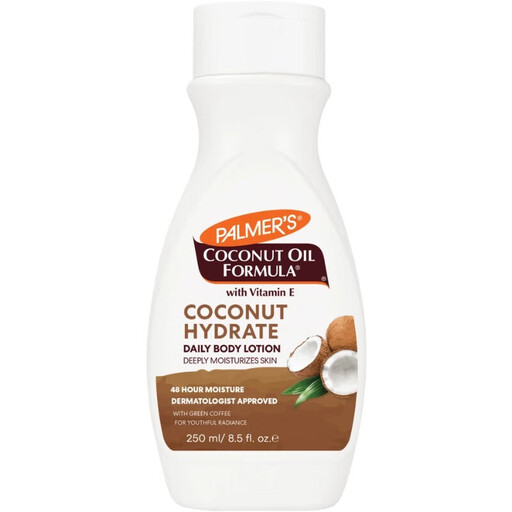
Why This Fits Their Persona: A practical everyday body lotion for shoppers wanting a vegan-friendly formula in a manageable 250ml size for a UK bathroom or gym bag.
Its listed formula identifies coconut oil, shea butter and glycerin, while excluding parabens, phthalates and dyes. It is fragranced, so sensitive-skin shoppers should check compatibility first.
Contains coconut oil, green coffee extract and plant butters; suitable for daily application to clean, dry body skin.
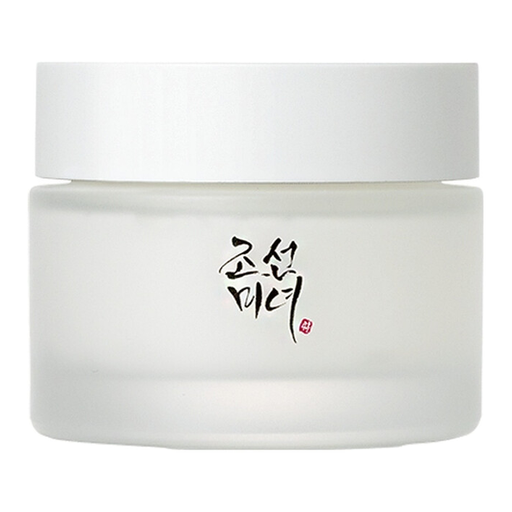
Why This Fits Their Persona: A compact facial moisturiser for shoppers interested in a rich Korean skincare cream that can also work as a sleeping mask or make-up base.
The texture and intended uses are clearly defined. Its ingredient list includes botanical and barrier ingredients that appear to be fragrance-free, but users should still check the latest packaging before purchase.
Includes rice bran water, ginseng root water, niacinamide, squalane and ceramide NP in a 50ml face cream.
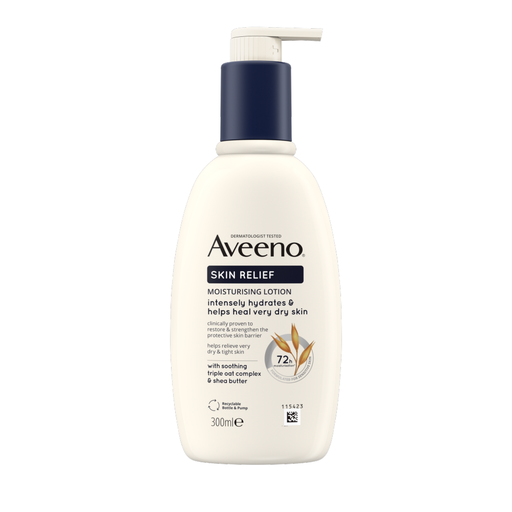
Why This Fits Their Persona: Designed for shoppers managing very dry, sensitive or eczema-prone-feeling body skin who want a fragrance-free daily lotion for rough areas.
It avoids relying on fragrance for a premium feel and lists colloidal oatmeal, glycerin and petrolatum. Apply after showering and patch test if your skin is reactive.
Fragrance-free, non-greasy and intended for very dry skin, with a 300ml format suited to regular body use.
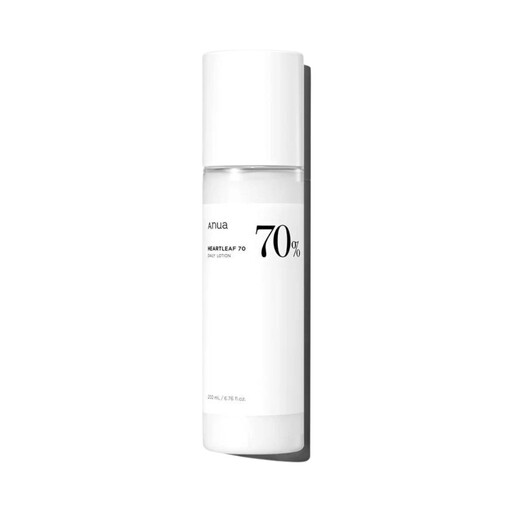
Why This Fits Their Persona: A facial lotion for users who prefer a quick-absorbing, non-sticky texture beneath sunscreen or during a layered morning routine.
The product description specifies a lightweight lotion rather than an occlusive body cream, and the ingredient list identifies several forms of hyaluronic acid for a hydration-focused routine.
Contains 70% Houttuynia Cordata Extract and a multi-weight hyaluronic acid complex in a generous 200ml facial format.
We have compiled a complete, real-time list of products that fully satisfy these strict selection criteria and UK safety regulations.
Choose a formula containing humectants such as glycerin, alongside emollients or occlusives such as shea butter, petrolatum, ceramides or plant oils. A richer body cream may suit elbows, knees and legs, while a facial moisturiser with a balanced texture may feel more comfortable on the face.
Most products can be applied once or twice daily, particularly after cleansing or showering while skin is still slightly damp. Follow the product directions and reapply to areas that become dry after handwashing or exposure to cold weather.
Some baby lotions are suitable for adults who prefer gentle, fragrance-free skincare, but the intended use and ingredient list still matter. Avoid applying any product to broken or irritated skin unless advised by a healthcare professional, and stop use if redness, itching or discomfort develops.