
24/7 Customer Support

Free returns

Same-day & Next-day Delivery

Quality Guaranteed

Unlock Your Welcome Offers: FREE Delivery | Up to 80% OFF | Free 30-day JoyPlus trial
Download the APP
Choosing mouthwash can appear straightforward until you compare fluoride levels, alcohol content, bottle sizes and gum-care ingredients. A product that feels particularly strong is not automatically more suitable, while a low-priced bottle may not match your oral-care needs.
This guide from the Joybuy Product Recommendation Officer focuses on the details that matter when buying mouthwash for fresh breath, plaque control, enamel care, sensitive teeth or targeted gum support.
A powerful mint or warming sensation is mainly a sensory experience. It does not, by itself, confirm better plaque control or gum protection. Alcohol-containing formulas may also feel harsher for some users, particularly if they experience oral dryness or sensitivity.
An alcohol-free mouthwash can provide a more comfortable daily rinse. Check the ingredients rather than judging performance by taste alone.
Daily oral rinses and medicated mouthwash serve different purposes. Products containing chlorhexidine, such as Corsodyl Medicated Antibacterial Mouthwash, are intended for specific gum-care situations and should be used according to the label or dental advice. Temporary staining, taste changes or irritation can occur with chlorhexidine products.
For routine fresh breath and plaque care, a standard fluoride or antibacterial mouthwash may be more appropriate.
Mouthwash is an addition to an oral-care routine, not a substitute for brushing with fluoride toothpaste or cleaning between teeth. Marketing descriptions may highlight coverage below the gumline or between teeth, but the product should still be used alongside brushing and flossing or interdental brushes.
A fluoride mouthwash may help support enamel and cavity prevention when used as directed. Product formulations vary, so check the packaging for the fluoride concentration and age guidance.
For example, Colgate Plax Soft Mint contains sodium fluoride and is alcohol-free. Listerine Total Care Stay White Intense Taste Classic lists 220 ppm fluoride, while the supplied details for Listerine Total Care Teeth and Gum list 450 ppm fluoride. These products are labelled for users aged 12 and above, so do not assume that a larger fluoride number automatically makes a product suitable for every household member.
If your priority is mouthwash for gum health or mouthwash for plaque and gingivitis, look for clearly stated active ingredients and usage instructions. Cetylpyridinium chloride appears in Colgate Plax Soft Mint, while some Corsodyl products contain chlorhexidine.
Chlorhexidine-based products are more targeted than ordinary daily rinses. The Corsodyl Medicated range contains 0.2% w/v chlorhexidine digluconate and is labelled for early gum disease and other specific oral-care uses. Follow the pack instructions, avoid using it immediately after brushing, and seek dental advice if symptoms persist.
An alcohol-free mouthwash may be preferable if you dislike a burning sensation or want a gentler-feeling rinse. However, alcohol-free does not mean suitable for swallowing, and age restrictions still apply.
Bottle size affects running cost. A 750ml bottle such as Listerine Essentials Coolmint Mild can be practical for regular household use, whereas 250ml bottles such as Sensodyne Pronamel Enamel Care are easier to store or take away. Also check the recommended dose: using more than instructed increases cost without necessarily improving the result.
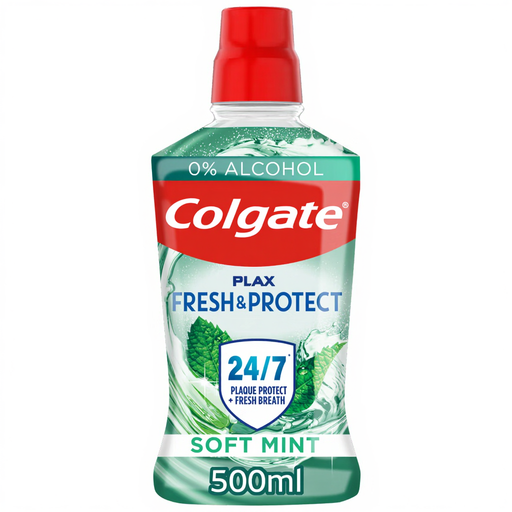
Why This Fits Their Persona: A 500ml alcohol-free option for shoppers starting a regular daily routine and wanting a soft mint flavour without an alcohol-based rinse.
Its alcohol-free formulation avoids choosing a product solely for a strong burning sensation, while the label provides clear twice-daily and age guidance.
500ml format; contains sodium fluoride and cetylpyridinium chloride; soft mint flavour.
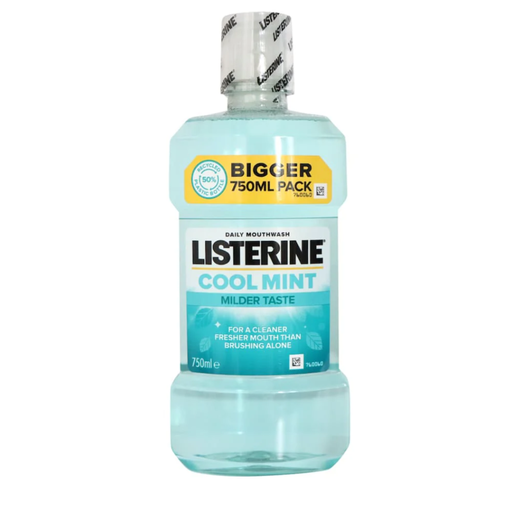
Why This Fits Their Persona: The large bottle suits households that want a recognised essential-oil mouthwash for repeated use, with a milder cool mint profile.
The product description identifies a mild flavour and clearly states that it complements, rather than replaces, brushing and flossing.
750ml capacity; cool mint flavour; essential oils including eucalyptol, thymol and menthol; labelled for adults and children aged 12 and over.
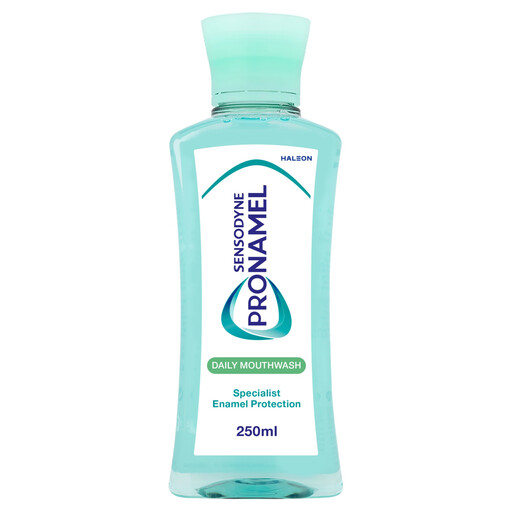
Why This Fits Their Persona: Designed for adults seeking alcohol-free enamel care alongside a fluoride toothpaste, particularly when acidic food and drinks are part of their routine.
It focuses on a stated enamel-care purpose rather than implying that a general fresh-breath rinse addresses every concern.
250ml size; alcohol-free; contains sodium fluoride; pH-neutral formula; labelled for users aged 12 and over.
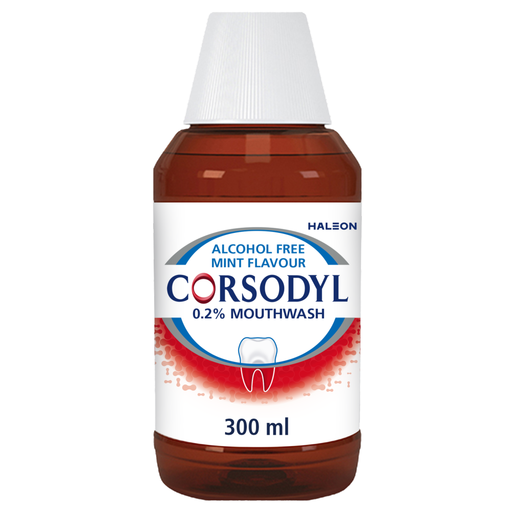
Why This Fits Their Persona: Intended for adults who need targeted antibacterial gum care, including bleeding or irritated gums, subject to label directions and dental guidance.
Its medicated status is clearly identified, helping shoppers distinguish short-term targeted care from a standard daily fresh-breath rinse.
300ml bottle; alcohol-free; contains 0.2% w/v chlorhexidine digluconate; labelled for twice-daily use and adults.
We have compiled a complete, real-time list of products that fully satisfy these strict selection criteria and UK safety regulations.
It is not essential for everyone, but it can complement brushing and interdental cleaning. Choose a daily formula based on your purpose, such as fresh breath, fluoride support or plaque care, and follow its instructions.
This depends on the bottle size and dose. A 500ml bottle used at 20ml per rinse provides approximately 25 rinses. Using it twice daily means roughly 12 days of use. A 750ml bottle provides approximately 37 doses at the same serving size. Check the product label for storage and after-opening guidance.
A fluoride, alcohol-free product such as Sensodyne Pronamel Enamel Care Mouthwash may suit shoppers seeking enamel support. However, ongoing or worsening sensitivity can indicate an underlying dental issue, so arrange a dental appointment rather than relying on mouthwash alone.