
24/7 Customer Support

Free returns

Same-day & Next-day Delivery

Quality Guaranteed

Unlock Your Welcome Offers: FREE Delivery | Up to 80% OFF | Free 30-day JoyPlus trial
Download the APP
New Zealand Manuka honey can vary considerably in price, flavour, texture and claimed activity. A higher price does not automatically mean a better fit for your household, while attractive packaging may reveal little about provenance or testing.
UK shoppers commonly encounter three buying pitfalls:
The practical approach is to check the rating, floral type, origin, pack size and label information together.
MGO Manuka honey is graded according to the amount of methylglyoxal stated on the product label, measured in milligrams per kilogram. In simple terms, the number helps you compare the declared MGO level between products.
Common options include:
The rating is not a measure of sweetness, nutritional balance or medical effectiveness. Honey is still high in naturally occurring sugars, so compare the nutrition panel with your normal diet.
Multifloral Manuka honey contains nectar from Manuka and other flowers. This can produce a rounded flavour and may offer a more accessible price. It is often suitable for breakfast, baking and daily sweetening.
Monofloral Manuka honey is sourced primarily from Manuka flowers. It is usually positioned as a more specialised product and may have a deeper flavour and higher MGO rating. However, the word “monofloral” should be supported by clear product information and traceability rather than used as a standalone quality guarantee.
For provenance, look for:
A UMF 10+ Manuka honey product uses the UMF grading mark rather than relying only on an MGO number. Check that the packaging clearly identifies the certification and responsible producer. Do not assume that every “active” or “premium” label represents the same standard.
A Manuka honey 250g jar is useful if you are trying a new flavour, buying for one person or prefer to keep several varieties open. A Manuka honey 500g jar generally makes more sense for families, frequent breakfast use or regular cooking.
Raw or unpasteurised honey may have a creamy, thick or crystallised texture. Crystallisation is a natural change and does not necessarily indicate spoilage. Store the jar according to its label, keep the lid closed and avoid excessive heat. If you add raw honey to tea, allow the drink to cool slightly rather than placing it in boiling liquid if preserving its original texture and flavour matters to you.
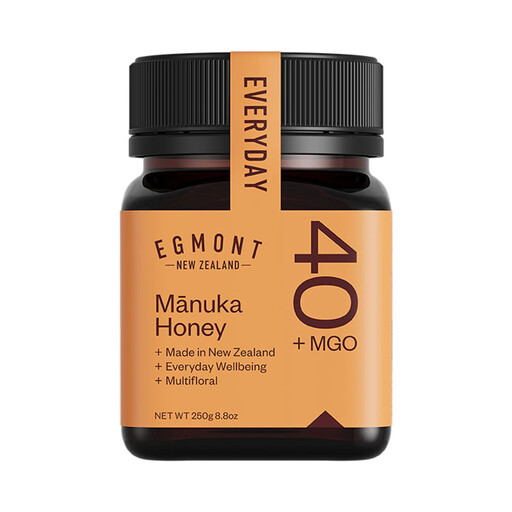
Why This Fits Their Persona: The 250g format lets first-time buyers try a lower MGO multifloral honey without committing to a larger jar.
The listed MGO 40+ level and multifloral description make its positioning clearer than vague “active honey” wording.
100% New Zealand multifloral honey; compact 250g jar; raw and unpasteurised.

Why This Fits Their Persona: A 250g monofloral option suits shoppers prioritising a higher declared MGO level and a more concentrated Manuka flavour.
It identifies both the monofloral type and MGO 250+ rating, helping buyers compare like with like.
Monofloral Manuka sourcing; stated MGO 250+ grade; 100% pure honey.
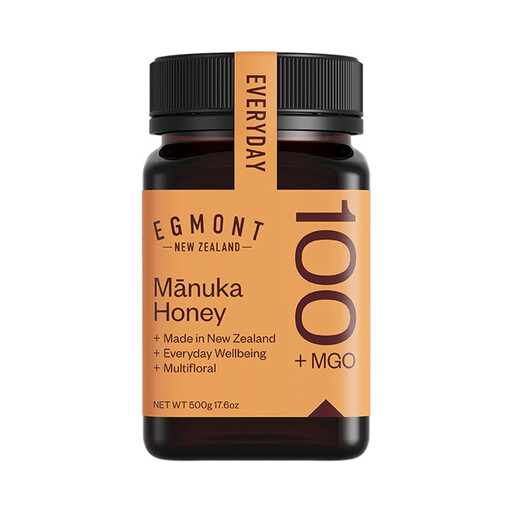
Why This Fits Their Persona: The larger jar is practical for families or households using Manuka honey regularly in breakfast foods and warm drinks.
The product page states the MGO grade, multifloral type, ingredients and 500g quantity rather than relying on front-label language alone.
500g family-sized format; declared MGO 100+; suitable for use as a natural honey sweetener.

Why This Fits Their Persona: This suits shoppers who specifically compare UMF-labelled honey and want a substantial jar for regular household use.
It presents a UMF 10+ rating alongside monofloral sourcing and product traceability details for easier comparison.
UMF 10+ format; monofloral honey; 500g quantity for repeated use.
Honey is suitable for many vegetarians, but it is still a bee product. Avoid it if you have a known honey, bee or pollen allergy. Never give honey to infants under 12 months, including raw or unpasteurised varieties, because of the risk of infant botulism.
People managing diabetes or carbohydrate intake should account for honey’s sugar content and seek individual dietary advice where appropriate. Honey should complement, not replace, a varied diet. Follow the jar’s storage instructions, keep it sealed and check the best-before date and batch information before use.
We have compiled a complete, real-time list of products that fully satisfy these strict selection criteria and UK safety regulations.
It depends on your priorities. MGO 250+ honey has a higher declared MGO level and is often monofloral, but it may cost more than MGO 40+ or MGO 100+ honey. If you mainly need a spread or natural sweetener, a lower rating may offer better value.
Honey should not be given to children under 12 months. For older children, check the product label, allergies and serving guidance. Raw or unpasteurised honey is still a food product, not a substitute for medical care.
Use the best-before date on the packaging and store the jar as directed. Honey may crystallise naturally, particularly in cooler UK kitchens. This affects texture rather than automatically indicating that the product has spoiled.