
24/7 Customer Support

Free returns

Same-day & Next-day Delivery

Quality Guaranteed

Unlock Your Welcome Offers: FREE Delivery | Up to 80% OFF | Free 30-day JoyPlus trial
Download the APP
Navigating the olive oil aisle can feel overwhelming. With labels boasting terms like "pure," "light" and "cold-pressed," it's easy to grab a bottle that isn't quite right for your kitchen needs or your budget. As a Joybuy Product Recommendation Officer, my role is to help you see past the marketing and focus on what truly matters. Many shoppers fall into common traps that lead to wasted money and disappointing meals. Let's look at how to avoid them.
Before you add a bottle to your basket, be aware of these frequent misunderstandings:
To make a smart purchase, you need to understand a few core parameters. These will help you select the right cooking oil for any dish, from a simple pan-fry to a gourmet centrepiece.
The grade is the most important indicator of an oil's flavour, processing and intended use.
The smoke point is the temperature at which an oil begins to break down and smoke. Using an oil above its smoke point not only imparts a burnt, unpleasant taste to your food but can also release harmful compounds.
The origin and type of olive can significantly influence the taste. An Italian olive oil from Tuscany might have peppery notes, while one from Spain could be fruitier. An organic olive oil is produced from olives grown without synthetic pesticides or fertilisers, which appeals to those seeking products with specific agricultural standards. For a touch of luxury, an infused truffle oil can elevate a simple pasta or risotto into a gourmet experience.
To help you choose, we've matched some excellent options to different kitchen needs and user profiles.

Why This Fits Their Persona: This is a reliable workhorse for the daily UK kitchen. It's specifically designed for general cooking, from frying chicken to roasting potatoes, where you need a dependable oil that won't overpower your ingredients.
It directly solves the "wrong oil for the job" problem. As a blend of refined and virgin oils, it has a higher smoke point suitable for high-heat cooking, so you're not wasting a delicate finishing oil.
Versatility: Its subtle flavour and higher heat tolerance make it ideal for a wide range of cooking methods, including frying and roasting.
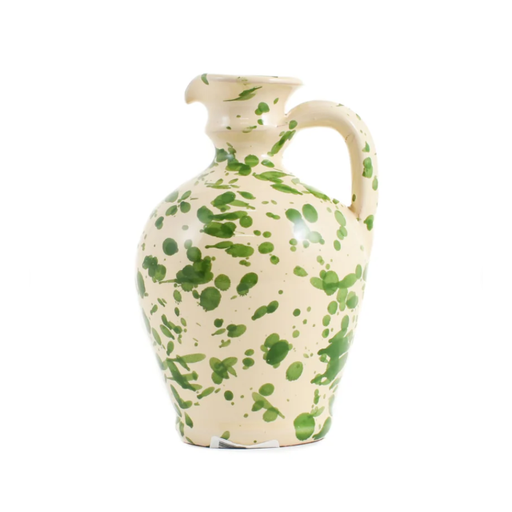
Why This Fits Their Persona: For the food enthusiast who appreciates aesthetics and flavour, this Puglian EVOO is both a culinary tool and a piece of kitchen art. It's perfect for drizzling over burrata, dressing salads, or simply for dipping with fresh bread.
This product directly counters the "clear bottle" pitfall. The beautiful, opaque ceramic bottle provides excellent protection from light, preserving the oil's delicate, fruity flavour and quality for longer.
Superior Flavour & Protection: It offers a medium-fruity flavour with peppery notes, and its handmade ceramic bottle ensures the contents stay fresh while looking stunning on the countertop.
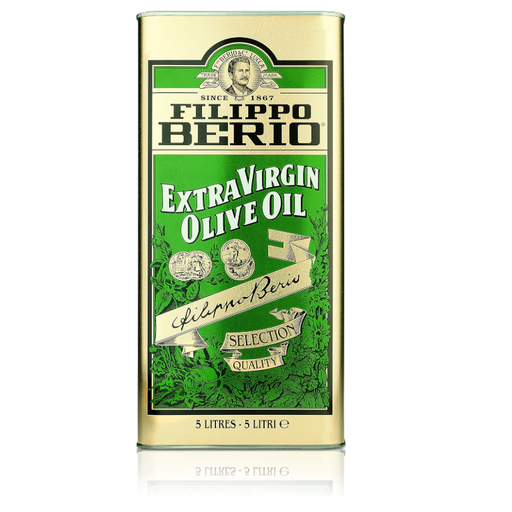
Why This Fits Their Persona: For busy families, passionate home cooks or small foodservice businesses, buying **bulk olive oil** is both economical and practical. This 5-litre tin provides a large supply of quality, versatile EVOO for all culinary needs.
This format offers excellent value and protection. The large, opaque metal tin is ideal for shielding the oil from light and air, ensuring the last drop is as fresh as the first, provided it's stored correctly.
Cost-Effectiveness & Quality: You get a high volume of dependable, cold-extracted EVOO from a reputable brand at a much lower cost per litre compared to smaller bottles.
We have compiled a complete, real-time list of products that fully satisfy these strict selection criteria and UK safety regulations.
Can you cook with extra virgin olive oil? Yes, you can. While it's prized for raw applications, most EVOOs have a smoke point of around 190°C, which is high enough for most home cooking, including sautéing and baking. However, for deep-frying or very high-heat searing, a standard, refined olive oil is often a more suitable and economical choice.
What is the correct way to store olive oil? To maintain its quality, store olive oil in a cool, dark place away from the cooker and direct sunlight, like a pantry or cupboard. Always ensure the cap is tightly sealed to minimise exposure to oxygen. There is no need to refrigerate it; in fact, chilling can cause the oil to solidify and may lead to condensation inside the bottle, which is not ideal.
Does 'cold-pressed' make a difference? Yes. 'Cold-pressed' (or more accurately, 'cold-extracted') signifies that the oil was extracted from the olives without using high heat. This mechanical process helps the oil retain more of its natural flavour, aroma and nutritional profile compared to methods that use heat or chemical solvents. For extra virgin olive oil, this is a standard part of the production process and a key indicator of quality.