
24/7 Customer Support

Free returns

Same-day & Next-day Delivery

Quality Guaranteed

Unlock Your Welcome Offers: FREE Delivery | Up to 80% OFF | Free 30-day JoyPlus trial
Download the APP
Choosing omega-3 supplements in the UK can feel unnecessarily complicated. Labels may promote “high strength”, “premium purity” or “sustainable sourcing”, yet the details that affect suitability are often displayed in small print.
The right choice depends on more than the total oil in a capsule. You also need to check the actual EPA and DHA content, the source, serving size, dietary suitability and whether the format works for your routine.
A capsule containing 1,000 mg of fish oil does not necessarily provide 1,000 mg of omega-3. Look for the separate amounts of EPA and DHA, plus any other omega-3s. These figures give a clearer comparison between products.
High-strength omega-3 may be convenient for adults who want fewer capsules, but it is not automatically appropriate for children, pregnancy or people taking medication. A product with 250 mg DHA per softgel may be more practical for someone seeking a moderate daily amount, while a concentrated EPA and DHA formula may suit a different routine.
Fish oil capsules contain fish and commonly use gelatine. Vegans and vegetarians may prefer vegan omega-3 from marine algae, while people with allergies need to check the full ingredient list. Chewables and gummies may also contain sweeteners, sugar, gelatine or allergens that are easy to overlook.
EPA and DHA are the two figures shoppers most often compare in EPA and DHA supplements. DHA is particularly prominent in products aimed at brain, eye and prenatal nutrition, while formulas containing both EPA and DHA can provide a broader nutritional profile.
For example, one serving of Nordic Naturals Ultimate 2X Mini provides 1,120 mg total omega-3s, including 586 mg EPA and 456 mg DHA. By contrast, Osavi Vegan Softgels provide 250 mg DHA per softgel, making the serving size and intended use quite different.
Do not compare products by capsule size alone. Check:
Algae omega-3 is a fish-free source, often providing DHA and sometimes EPA. It can suit vegans, vegetarians and shoppers who prefer a marine ingredient without fish-derived capsules.
Fish oil may provide a higher combined EPA and DHA amount in some products, but it is unsuitable for people with fish allergies and may not fit a plant-based diet. Check for terms such as “marine algal oil”, “Schizochytrium sp.” and “vegan softgel” when selecting fish-free DHA supplements.
Softgels are compact and convenient, but some people find them difficult to swallow. Mini softgels, chewables, gummies and liquids offer alternatives for children or adults who dislike capsules.
Flavouring can help reduce fishy aftertaste, but it does not remove the need to check ingredients. Liquid products may require refrigeration after opening, while softgels should generally be kept in a cool, dry place away from direct sunlight. Always follow the product label.
For UK shoppers, confirm the recommended daily dose, allergen information, age guidance, batch details and best-before information before buying. Food supplements should complement a varied diet and should not replace professional medical advice.
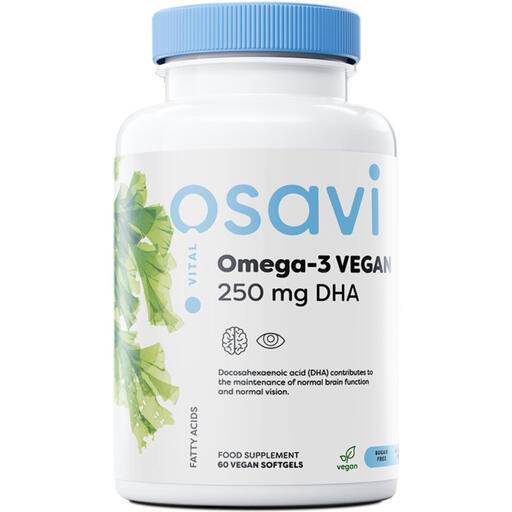
Why This Fits Their Persona: A straightforward one-softgel daily format for UK adults starting with plant-based DHA supplementation.
The label states 250 mg DHA per softgel, avoiding confusion between total capsule oil and active DHA.
Vegan tapioca softgel; free from gluten, lactose, soya and GMO ingredients according to the supplied product information.
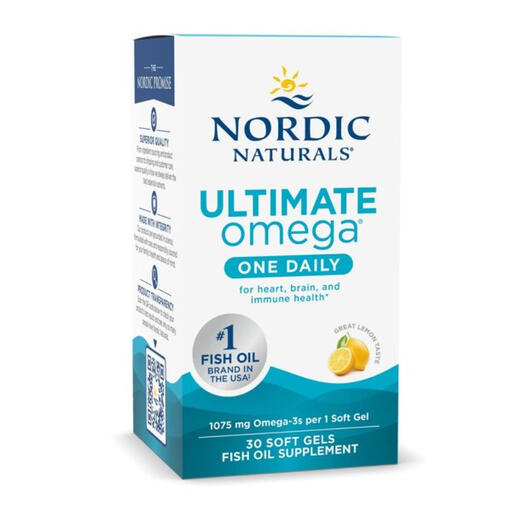
Why This Fits Their Persona: Suitable for adults who prefer a concentrated fish oil serving and a once-daily routine.
Its serving information separates 1,075 mg total omega-3s into 562 mg EPA and 438 mg DHA.
Lemon flavour; one softgel per serving; fish oil from anchovies and sardines in re-esterified triglyceride form.
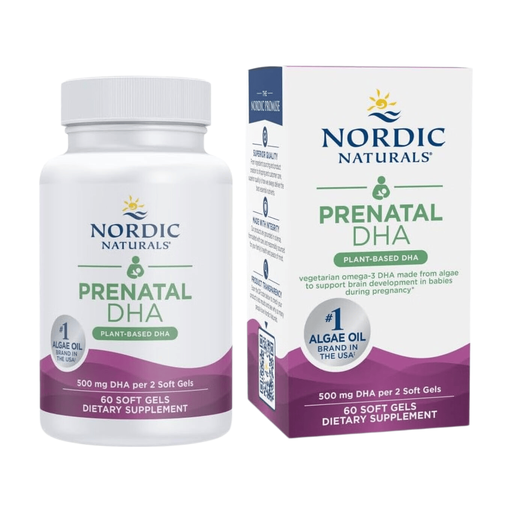
Why This Fits Their Persona: Designed for pregnant or breastfeeding women seeking algae-derived DHA without fish-derived ingredients.
The product clearly states 500 mg DHA per serving and identifies marine algae as its source.
Vegan formula; two softgels per day; free from gluten, milk derivatives and synthetic dyes according to the listing.
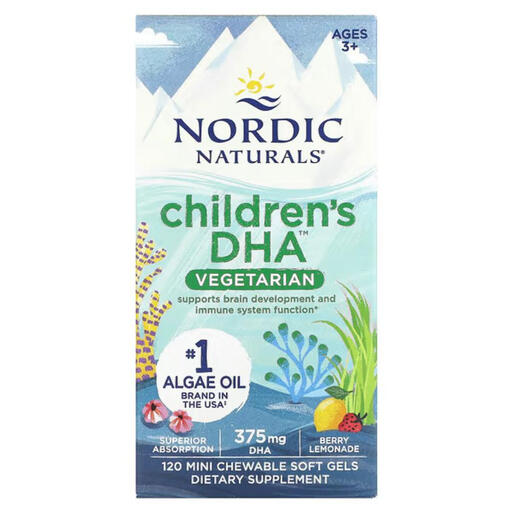
Why This Fits Their Persona: A chewable algae DHA option for children aged 3 and above who do not regularly eat fish.
The age guidance and serving size are explicit: four chewables daily for children aged 3 and above.
Provides 375 mg DHA per serving; vegetarian chewable format with berry lemonade flavour and no fish-derived ingredients.
We have compiled a complete, real-time list of products that fully satisfy these strict selection criteria and UK safety regulations.
Yes, products made from marine microalgae can provide fish-free DHA and, in some formulas, EPA. Check that both the oil and capsule are labelled vegan, as some softgels use gelatine.
Many product labels recommend taking softgels or chewables with food. Follow the instructions supplied with your chosen product, particularly for liquid formulas and products intended for children.
Shelf life varies by product. Check the best-before date and storage instructions. Some liquids require refrigeration after opening and use within a specified period, while softgels should be protected from heat, humidity and sunlight. Pregnant or breastfeeding shoppers, parents and anyone taking medication should check with a healthcare professional before starting a new supplement.