
24/7 Customer Support

Free returns

Same-day & Next-day Delivery

Quality Guaranteed

Unlock Your Welcome Offers: FREE Delivery | Up to 80% OFF | Free 30-day JoyPlus trial
Download the APP
Buying probiotic supplements can seem straightforward until you compare capsules, gummies, powders and liquids. Labels often highlight impressive-sounding CFU figures, multiple bacterial strains and phrases such as “advanced formula”, but these details do not always tell you whether a product suits your diet, age, routine or intended use.
This guide explains the practical checks UK shoppers should make before buying gut health supplements, with product recommendations matched to different needs.
CFU means colony-forming units: an estimate of viable microorganisms in a serving. A higher number is not a universal indication of suitability. Some people may prefer a modest daily probiotics formula, while others specifically want a higher-strength product containing prebiotic fibre.
Also check when the CFU figure applies. “At the time of manufacture” is different from a guaranteed amount through the product’s best-before date. The label should make this distinction clear.
A product may contain four, eight or ten strains, but the number alone does not explain how it fits your requirements. Look for the full names, such as Lactobacillus rhamnosus or Bifidobacterium longum, and consider whether you need general digestive support, a women-focused formula or a child-appropriate option.
Marketing language around “live cultures” should not replace checking the ingredient list, dosage and storage directions.
Capsules can contain milk, soya or other allergens even when the finished product appears simple. Gummies may contain sugar, glucose syrup or sweeteners. Liquid probiotics may require refrigeration after opening and may have a short consumption window.
People following vegan, dairy-free or gluten-free diets should read the current packaging rather than relying only on a product title. Those with allergies or coeliac disease should check the full allergen statement and contact the manufacturer if anything is unclear.
Compare the CFU amount per recommended daily serving, not merely per capsule or gummy. For example:
These figures are not directly equivalent because each formula uses different strains, serving sizes and supporting ingredients.
A multi-strain product may suit shoppers who want broader variety, while a two-strain product may be simpler to fit into an established routine. Synbiotic supplements combine probiotics with prebiotics, which are fibres used as a food source for beneficial bacteria.
If you are comparing fibre and probiotic supplements, check the fibre quantity and drink enough water according to the label. Psyllium-based products can be more suitable for shoppers seeking a capsule alternative to loose fibre powder, but they are not appropriate for everyone.
Choose a format you can use consistently:
A shelf-stable product can be practical for a handbag, desk drawer or UK travel, but it still needs to be stored away from heat, moisture and direct sunlight.
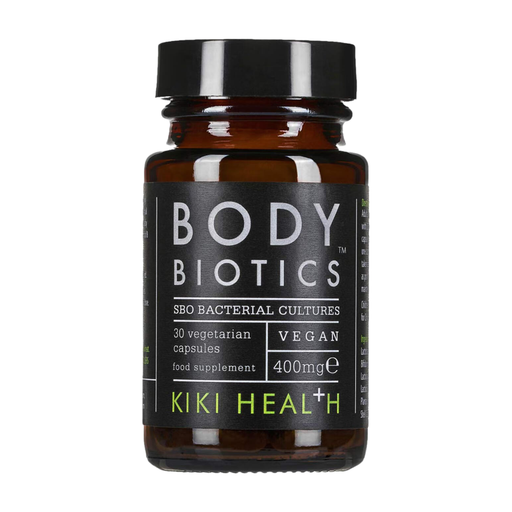
Why This Fits Their Persona: A one-capsule daily format gives first-time buyers a straightforward way to add a vegan probiotic to their routine without refrigeration.
The listing states the minimum live bacteria amount and names eight strains, making it easier to assess than a vague “probiotic blend”.
Vegan and vegetarian suitable; shelf-stable; 30 capsules provide a clear one-month supply.
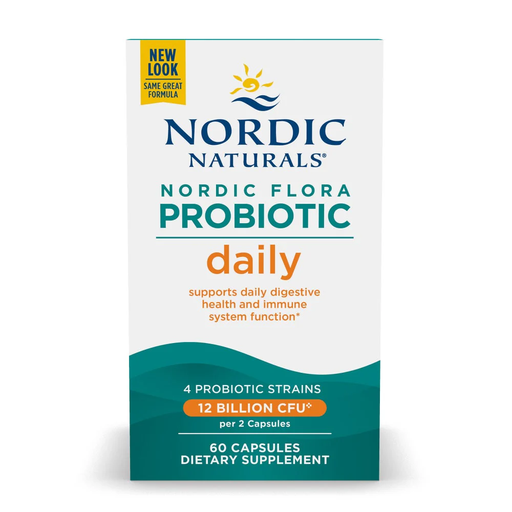
Why This Fits Their Persona: Suitable for adults who want a higher stated CFU count plus prebiotic support in a single daily capsule.
The formula identifies four probiotic strains, 12 billion CFU and 20mg of fructooligosaccharides rather than relying only on a headline potency claim.
Vegan and dairy-free; one capsule per day; 60-capsule pack.
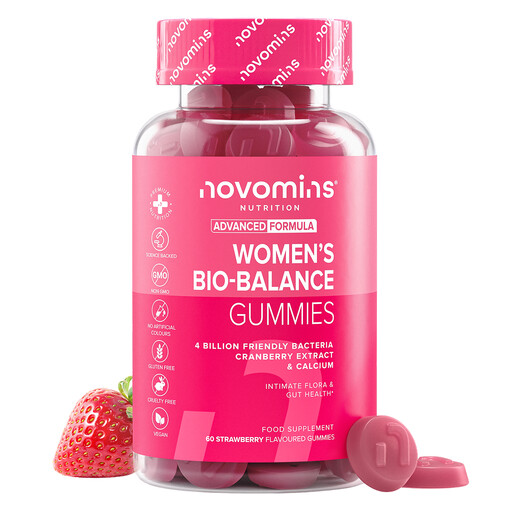
Why This Fits Their Persona: A strawberry-flavoured gummy format for adult women who prefer targeted women’s probiotics rather than a conventional capsule.
The serving size is two gummies and the label lists three Lactobacillus strains, helping shoppers avoid comparing per-gummy figures with per-serving figures.
Vegan, gluten-free, dairy-free and gelatine-free; includes cranberry extract and calcium.
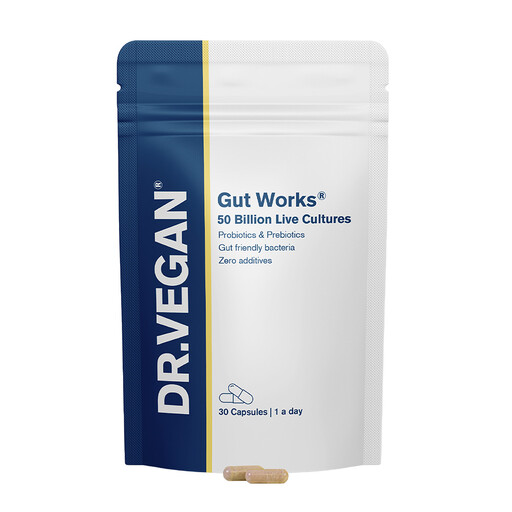
Why This Fits Their Persona: Designed for adults seeking a high-CFU synbiotic formula with added fibre, including people following vegan, dairy-free or gluten-free diets.
It provides strain-level details, a stated 50 billion CFU amount and quantities for inulin and psyllium rather than presenting potency without context.
Six listed strains; delayed-release capsule; includes 100mg inulin and 50mg psyllium husk per capsule.
We have compiled a complete, real-time list of products that fully satisfy these strict selection criteria and UK safety regulations.
The product’s best-before date applies only when stored as directed. Capsules and gummies are often shelf-stable, while liquid probiotics may need refrigeration and consumption within a specified period after opening. Always follow the label rather than assuming all live cultures have the same lifespan.
It depends on the formula. Some capsules recommend taking them with a meal, while certain liquid products specify an empty stomach. Follow the individual product instructions, as timing can affect convenience and storage habits.
Gummies can be easier to take, particularly for people who dislike swallowing capsules, but they may contain sugar, glucose syrup or sugar alcohols. Capsules may offer a simpler ingredient profile. Compare the complete serving information, strains, CFU level and dietary suitability before choosing.