
24/7 Customer Support

Free returns

Same-day & Next-day Delivery

Quality Guaranteed

Unlock Your Welcome Offers: FREE Delivery | Up to 80% OFF | Free 30-day JoyPlus trial
Download the APP
Finding the right moisturiser can feel like navigating a maze. Shelves are packed with products promising transformative results, but the reality is often a cabinet full of half-used tubs and wasted money. Many of us have been drawn in by compelling marketing, only to find a product is too greasy, too light or simply doesn't work for our skin.
Before you make another purchase, it's worth understanding the common pitfalls. By being aware of them, you can make a more informed choice that genuinely benefits your skin.
natural moisturiser can be excellent, the term doesn't automatically mean it's suitable for everyone. Many natural plant extracts and essential oils can be potent irritants for those with sensitive skin. The key is a well-formulated product, whether its ingredients are natural or synthetic.To cut through the clutter, focus on a few core parameters. This will help you match a product to your specific needs, ensuring you get value and results.
The most important step is identifying your skin type. A moisturiser for dry skin will have a different composition than one for oily skin.
sensitive skin moisturiser is often the safest starting point.A good moisturiser typically contains a balance of three types of ingredients:
Checking the ingredients list for a combination of these can give you a good idea of how a product will perform.
Not all moisturisers are interchangeable. A body lotion is typically formulated for the thicker skin on your arms and legs and may be too heavy for the face.
SPF moisturiser), while a night cream is often richer and focused on repair and replenishment while you sleep.Based on formulation, user needs and transparent labelling, here are a few recommendations for different individuals and families across the UK.
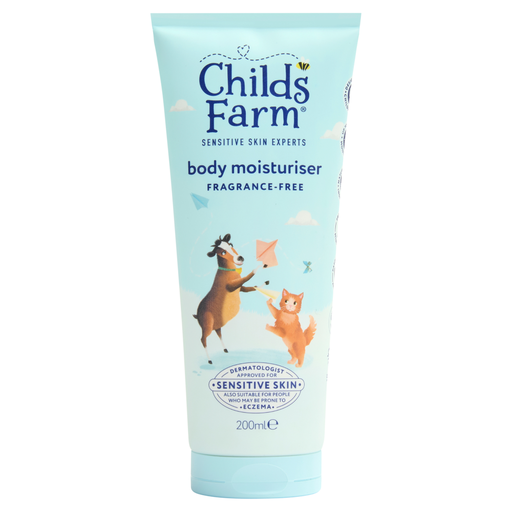
Why This Fits Their Persona: Ideal for households needing a reliable, gentle moisturiser for everyone, from newborns to adults. Its suitability for sensitive and eczema-prone skin makes it a versatile choice for the family bathroom shelf.
It sidesteps the "natural equals gentle" trap. While using natural origin ingredients, its primary selling point is that it is clinically proven to be kind to sensitive skin and is paediatrician approved, focusing on safety and testing over marketing buzzwords.
Completely fragrance-free to minimise irritation. Contains nourishing shea and cocoa butters for effective, long-lasting hydration.
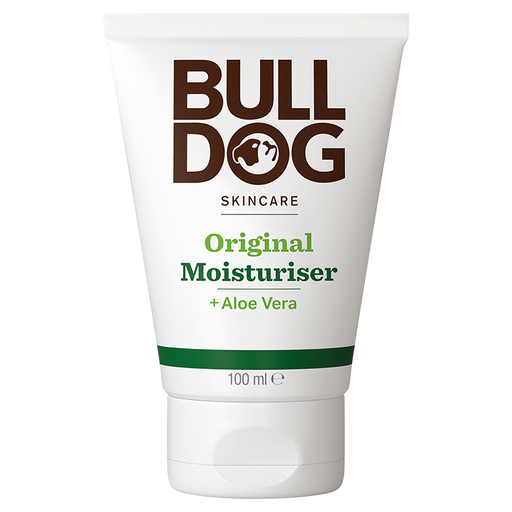
Why This Fits Their Persona: Purpose-built for men who want an effective daily moisturiser without any stickiness or greasy residue. It's a straightforward, reliable product for a quick morning and evening routine.
This product is specifically designed for men's skin. It avoids the "one-size-fits-all" approach by offering a fast-absorbing formula that addresses common male complaints about skincare feeling heavy or sticky.
Contains soothing aloe vera, camelina oil and green tea. It is also certified cruelty-free and comes in packaging made with recycled and plant-based plastics.
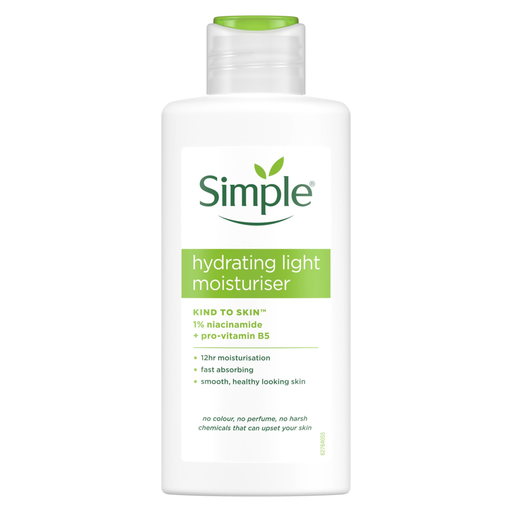
Why This Fits Their Persona: A go-to for anyone whose skin reacts easily. If you are wary of fragrances, harsh chemicals and heavy textures, this lightweight formula provides hydration without causing irritation.
This product's entire philosophy is built on avoiding common irritants. It is free from alcohol, artificial colours and perfume, making it a reliable choice that prioritises skin comfort over trends or fragrances.
Dermatologically tested and hypoallergenic. The fast-absorbing, lightweight formula provides up to 12 hours of hydration without feeling heavy on the skin.
We have compiled a complete, real-time list of products that fully satisfy these strict selection criteria and UK safety regulations.
For most people, moisturising twice daily is ideal—once in the morning after cleansing to prepare your skin for the day and once at night to support its natural repair process. If you have very dry skin or live in a harsh, cold climate, you may need to reapply to dry areas as needed.
It is generally not recommended. Body lotions are formulated for the tougher, thicker skin on the body and can be too rich or contain fragrances that may clog pores or irritate the more delicate skin on your face, potentially leading to breakouts. It's always better to use a dedicated face moisturiser.
A good moisturiser should make your skin feel comfortable, hydrated and soft, not greasy, tight or irritated. The right product will absorb well and won't cause breakouts. It can sometimes take a few days for your skin to adjust, but if you experience any redness, stinging or itching, you should stop using the product.