
24/7 Customer Support

Free returns

Same-day & Next-day Delivery

Quality Guaranteed

Unlock Your Welcome Offers: FREE Delivery | Up to 80% OFF | Free 30-day JoyPlus trial
Download the APP
Choosing shampoo is rarely as simple as picking a bottle labelled “repair”, “moisture” or “professional”. The right formula depends on your scalp, hair texture, styling routine and how often you wash. A product that suits dry, curly hair may leave fine hair flat, while a strongly cleansing formula may feel uncomfortable on a dry scalp.
This guide explains what to check before buying shampoo in the UK, highlights common marketing traps and matches selected products to different shopping needs.
A sulphate-free shampoo can be a useful choice for colour-treated, dry or curly hair, but the phrase alone does not describe the whole formula. Other cleansing agents may still provide a thorough wash, and fragrance or preservatives may not suit every scalp.
Check the full INCI ingredient list, not just the front label. Ingredients such as glycerin, panthenol, aloe vera and conditioning polymers may support a softer feel, while fragrance can be a consideration for sensitive users.
Shampoo is primarily applied to the scalp and roots, where oil, sweat and styling residue accumulate. Dry ends, frizz and breakage often require conditioner, a mask or a leave-in product as well.
A shampoo for dry scalp is not necessarily the same as a shampoo for dry hair. The former focuses on cleansing comfort, while moisturising shampoo formulas are generally chosen to make the lengths feel softer and more manageable.
A salon-grade shampoo or bond repair shampoo may be worthwhile if you bleach, heat-style or chemically treat your hair regularly. However, a specialist formula can be unnecessary for someone seeking a straightforward daily cleanser.
Likewise, purple shampoo is designed for blonde, highlighted, grey or bleached hair. It is not a universal moisturising shampoo and may temporarily stain pale surfaces or over-tone hair if left on too long.
Look beyond claims such as “deep cleanse” or “gentle”. Sodium laureth sulphate, sodium lauryl sulphate, olefin sulfonates, glucosides, betaines and isethionates all perform cleansing roles, but the overall formula determines how it feels in use.
For frequent washing, gym users or sensitive scalps, consider a mild, sulphate-free shampoo or a formula described as fragrance-free. Always follow the packaging directions and stop using the product if irritation develops.
Match the formula to your actual concern:
A 40ml or 75ml travel-size shampoo is convenient for hand luggage, short trips and gym bags. For everyday household use, 200ml to 500ml bottles are more practical. Larger formats, such as 930ml or 1000ml, can suit families, frequent washers or salons, but check storage space and whether you will use the product within the recommended period after opening.
Compare the price per 100ml, not only the shelf price. Also check whether the product is intended for daily use, occasional toning or use alongside a complete routine.
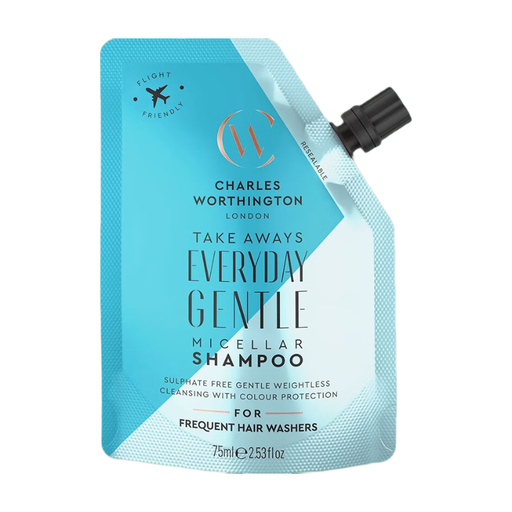
Why This Fits Their Persona: A compact everyday option for students, gym users, commuters and anyone wanting a low-commitment trial size. The 75ml bottle is convenient for short UK breaks and travel.
It presents a clear 75ml size and a micellar, sulphate-free formula rather than relying only on broad repair or moisture language.
Portable format; includes glycerin and aloe vera juice among its listed ingredients.
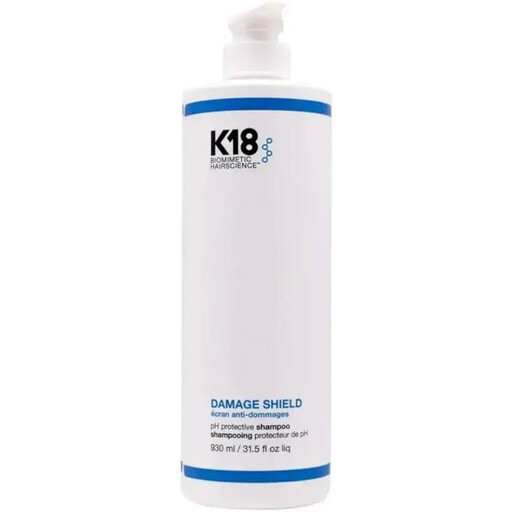
Why This Fits Their Persona: A large-format choice for shoppers who regularly heat-style, colour or chemically treat their hair and want a long-term maintenance product.
The 930ml capacity is easy to compare on a price-per-100ml basis, while the ingredient list identifies oligopeptide-78, panthenol and glycerin.
Large 930ml format; designed for regular cleansing and damaged-hair maintenance.
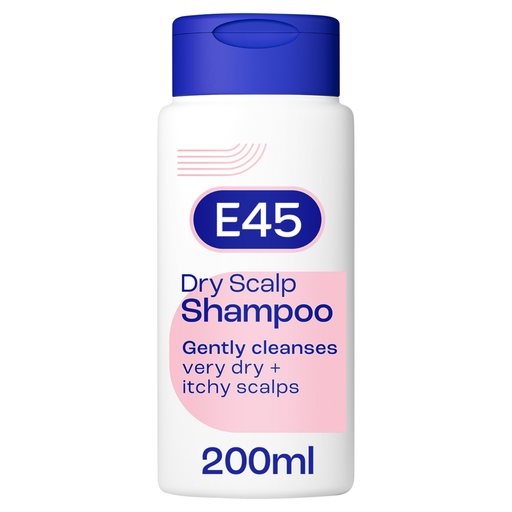
Why This Fits Their Persona: Suitable for shoppers prioritising a perfume-free, colour-free and soap-free formula for regular cleansing.
The formula and intended use are clearly stated, helping shoppers avoid selecting a fragranced product based only on a “moisture” claim.
200ml size; contains panthenol and glycerin and lists no perfume.
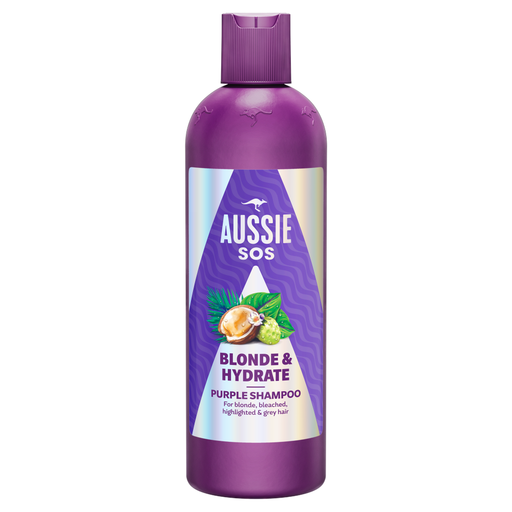
Why This Fits Their Persona: A targeted option for blonde, bleached, highlighted or grey hair users who want occasional toning within their wash routine.
It is positioned as a purple shampoo rather than an everyday cleanser for every hair type, with a stated three-to-five-minute contact time.
300ml format; includes violet pigment CI 60730 and is intended for blonde, highlighted and grey hair.
We have compiled a complete, real-time list of products that fully satisfy these strict selection criteria and UK safety regulations.
Apply shampoo mainly to the scalp and allow the lather to pass through the lengths when rinsing. Very dry or curly hair may not need daily washing, while oily scalps or regular exercise may require more frequent cleansing.
Use lukewarm water rather than very hot water, rinse thoroughly and follow with a conditioner suited to your hair type. For purple shampoo, begin with a shorter contact time than the maximum stated on the bottle. Review the packaging for current ingredients, warnings and storage guidance, particularly if you have a known sensitivity.
A 200ml bottle may last several weeks to a few months, depending on hair length, washing frequency and how much you dispense. A 500ml or larger bottle is more suitable for shared households or frequent washing. Using shampoo only at the roots can also help reduce unnecessary product use.
Sulphate-free shampoo can suit people with dry, curly or colour-treated hair, but it is not automatically the right option for every scalp. Some users prefer stronger cleansing after heavy styling-product use. Compare the complete formula and choose according to how your hair and scalp feel after washing.
Usually, purple shampoo is a targeted toning product rather than a complete replacement for your regular shampoo. Blonde, highlighted, bleached and grey hair users may use it periodically, following the recommended contact time. For everyday cleansing, select a formula suited to your scalp and hair texture.