
24/7 Customer Support

Free returns

Same-day & Next-day Delivery

Quality Guaranteed

Unlock Your Welcome Offers: FREE Delivery | Up to 80% OFF | Free 30-day JoyPlus trial
Download the APP
Finding the right shampoo can feel like navigating a maze of buzzwords and bold claims. With shelves overflowing with options, it's easy to end up with a product that doesn't deliver, leaving your hair lacklustre and your wallet lighter. As a Joybuy Product Recommendation Officer, my role is to help you sidestep the common purchasing pitfalls and focus on what truly matters for your hair and scalp health.
Many of us have been caught out by persuasive marketing. Let's look at two of the most common traps UK shoppers fall into and how to avoid them.
Instead of focusing on marketing claims, let's break down the two most important factors to check on the ingredient list before you buy.
The primary job of a shampoo is to clean, and this is done by ingredients called surfactants. Understanding the type of surfactant will tell you a lot about how the shampoo will behave.
Beyond cleansing, a good shampoo should address your specific concerns. Here’s what to look for:
Based on these practical criteria, here are a few recommendations tailored to specific needs and lifestyles.
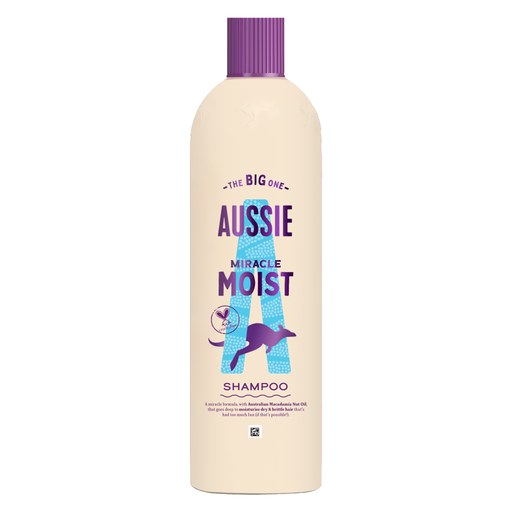
Why This Fits Their Persona: This user struggles with hair that feels brittle and parched, often due to colouring or heat styling. They need a reliable, deeply hydrating solution that delivers noticeable softness and manageability without a salon price tag.
It sidesteps the "miracle ingredient" illusion by pairing its highlighted Australian Macadamia Nut Oil with a proven formula that includes silicones (Dimethicone) to effectively smooth the hair cuticle and lock in moisture.
Specifically formulated to provide intense hydration for dry and damaged hair. It is also recognised by PETA as a cruelty-free brand.
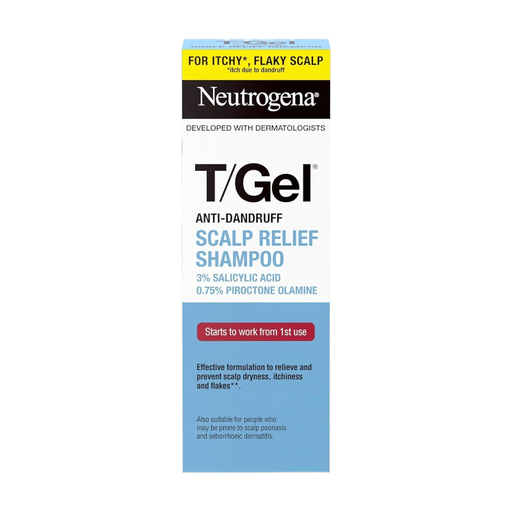
Why This Fits Their Persona: This person is tired of temporary fixes for their flaky, itchy scalp. They are looking for a targeted, no-nonsense product that addresses the underlying cause of their scalp discomfort and are willing to use a medicated formula for reliable results.
This shampoo focuses on function over fragrance. It contains two key active ingredients, Salicylic Acid and Piroctone Olamine, to directly target scalp impurities, excess oil and dandruff, rather than relying on vague botanical claims.
Formulated to combat scalp impurities and dandruff while gently cleansing. It removes excess oil and build-up to promote a healthier scalp environment.
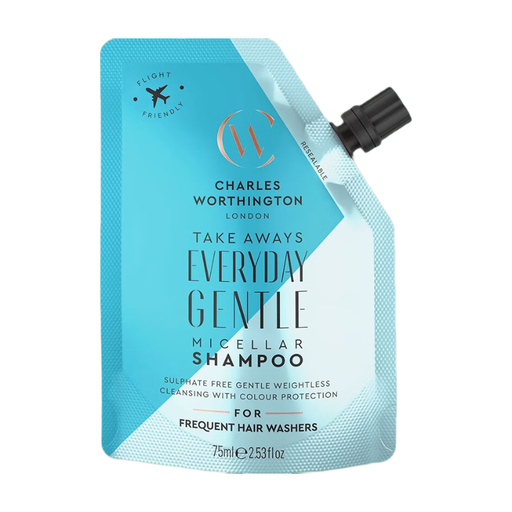
Why This Fits Their Persona: For the frequent traveller, gym-goer or anyone who needs a reliable shampoo in a compact format. They need a product that performs well without taking up precious space in their luggage or gym bag and that won't cause issues for their hair or scalp when used in different environments.
It avoids the "sulphate-free" trap by using a gentle but effective micellar formula. Micellar technology attracts dirt and oil without harsh stripping, making it a genuinely gentle option that still cleanses properly. It's a thoughtful formulation, not just a marketing label.
The 75ml travel size is perfect for carry-on luggage. Its gentle, sulphate-free micellar formula is suitable for all hair types, even sensitive scalps.
We have compiled a complete, real-time list of products that fully satisfy these strict selection criteria and UK safety regulations.
This depends entirely on your hair and scalp type. If you have greasy hair, you might find that a daily shampoo is necessary to keep it feeling fresh. Conversely, if you have very dry hair or curly hair, washing every 2-4 days might be sufficient. The best approach is to pay attention to your scalp; wash your hair when it starts to feel oily or itchy, not based on a rigid schedule.
This is a common myth. If you have found a shampoo that works well for your hair type and concerns, there is no need to switch. The feeling of a shampoo "stopping working" is often due to product build-up. Instead of changing your primary shampoo, consider incorporating a clarifying shampoo into your routine once every week or two to remove any residue and restore your hair's responsiveness.
A regular shampoo is formulated for frequent use to remove daily dirt and oil. A clarifying shampoo is a deep-cleansing treatment designed for occasional use. It contains stronger cleansing agents to strip away stubborn build-up from styling products, hard water minerals and chlorine. Using it too often can be drying, so it's best reserved for a weekly or fortnightly "reset".