
24/7 Customer Support

Free returns

Same-day & Next-day Delivery

Quality Guaranteed

Unlock Your Welcome Offers: FREE Delivery | Up to 80% OFF | Free 30-day JoyPlus trial
Download the APP
Choosing shampoo is rarely as simple as picking a fragrance from the supermarket shelf. UK shoppers may be comparing formulas for dryness, damage, curls, colour fade, brassiness, frizz or scalp comfort, while product labels often use broad phrases such as “repair”, “moisture boost” and “professional results”.
The right hair shampoo should match your hair’s condition, washing routine and styling habits. It should also suit your preferences around ingredients, packaging and price per millilitre. Here is how to filter the marketing language and select a shampoo with greater confidence.
A moisturising shampoo may feel comfortable on dry or coarse hair, but a rich formula can leave fine or oily hair feeling weighed down. Equally, a lightweight shampoo may not provide enough conditioning for bleached, curly or textured hair.
Look for a clear match between the product description and your concern. For example, shampoo for dry hair may include humectants such as glycerin, while formulas for curls may include conditioning agents intended to support detangling and manageability.
Shampoo is rinsed away, so claims around repairing split ends or restoring severely damaged fibres should be read carefully. A formula can help hair feel smoother, softer or easier to manage, but it cannot permanently re-join a split end.
For shampoo for damaged hair, check whether the ingredient list includes conditioning agents, proteins, panthenol or bond-supporting ingredients. Use the shampoo alongside a suitable conditioner or treatment, and trim visibly split ends when needed.
A percentage of natural-origin ingredients does not automatically mean a product is suitable for sensitive scalps, curly hair or colour-treated hair. Preservatives, fragrance, cleansing agents and potential allergens still matter.
Always check the current packaging and ingredient list before buying, particularly if you avoid fragrance, silicones, certain preservatives or sulphates.
A sulphate-free shampoo can be useful for shoppers who prefer to avoid SLS or SLES, or who find stronger cleansing systems leave their hair feeling dry. However, “sulphate-free” does not mean non-cleansing. Alternative surfactants may still create a substantial lather and remove oils or styling residue.
If you use gels, oils, waxes or heavy creams, consider whether the formula can remove build-up effectively. Curly and coily hair may benefit from a gentler routine, but occasional deeper cleansing may still be needed.
Match the formula to your main need:
A 500ml or 930ml bottle may offer practical value for households, long hair or frequent washing, but only if the formula suits everyone using it. Smaller bottles can be more sensible when you are trying a new shampoo or switching between products.
To compare cost properly, calculate the price per 100ml and consider how much you use per wash. Applying shampoo mainly to the scalp, then allowing the lather to travel through the lengths during rinsing, can help avoid unnecessary product use.
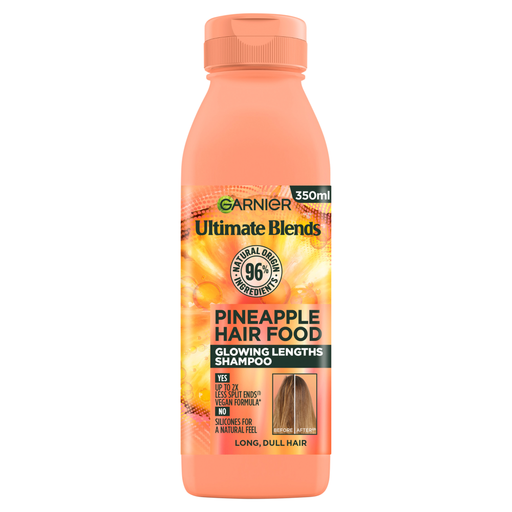
Why This Fits Their Persona: A practical option for long, dull-looking hair when you want a familiar 350ml format and a formula positioned around nourishment and shine.
The description identifies the intended use for long, dull hair and lists pineapple and amla extracts, rather than presenting it as a universal solution for every hair concern.
350ml size; described as 100% vegan and approved by Cruelty Free International. The formula is listed as 96% natural origin.
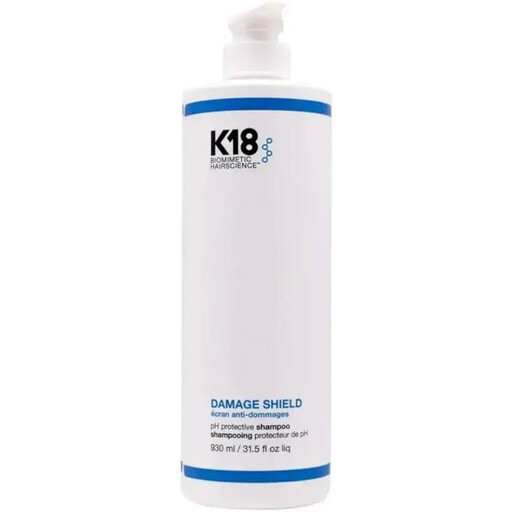
Why This Fits Their Persona: The large salon-oriented bottle suits frequent washing, shared households or shoppers maintaining hair affected by regular colouring and heat styling.
Its ingredient list and product description make the cleansing and maintenance focus clear, helping shoppers distinguish a daily shampoo from a separate intensive treatment.
930ml capacity; includes sh-oligopeptide-78, panthenol and glycerin in the listed formula. The product is described as mild cleansing for maintenance use.
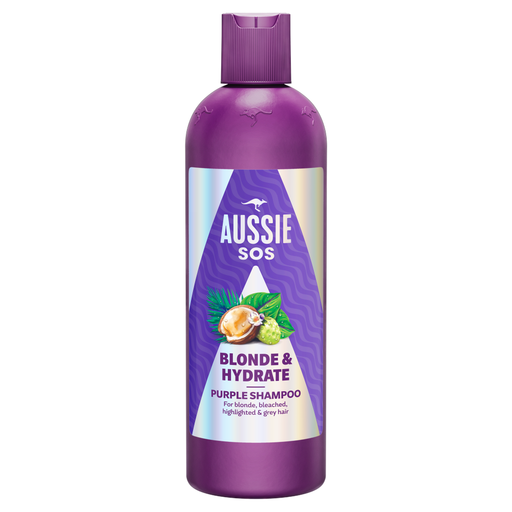
Why This Fits Their Persona: A targeted purple shampoo for bleached, highlighted, blonde, platinum or grey hair where managing warm-looking tones is a priority.
The directions specify a 3–5 minute contact time, making it easier to control toning instead of leaving pigment on indefinitely.
300ml bottle; contains CI 60730 purple pigment and is described as vegan with 95% natural ingredients. Rinse shower surfaces after use because pigment may temporarily stain light materials.
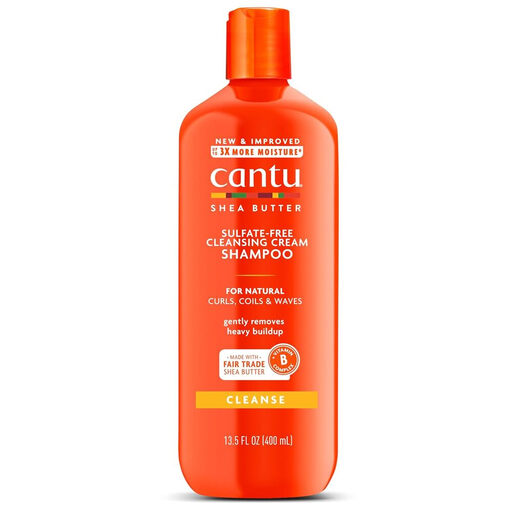
Why This Fits Their Persona: Its cleansing-cream format is aimed particularly at natural, curly, coily and wavy textures, including shoppers who prefer a sulphate-free routine.
The formula is clearly positioned as sulphate-free and the directions recommend a second wash for heavy build-up, so shoppers can plan around both gentle cleansing and styling residue.
400ml size; includes shea butter, glycerin and panthenol in the listed ingredients. The product description states that it is free from mineral oil, parabens, silicones and phthalates.
We have compiled a complete, real-time list of products that fully satisfy these strict selection criteria and UK safety regulations.
There is no single schedule for everyone. Fine or oily hair may need washing more frequently, while dry, curly, coily or textured hair may be washed less often. Consider scalp oiliness, exercise, styling products and how your hair feels after washing. A scalp care shampoo should not replace professional advice for persistent symptoms.
Purple shampoo is generally intended for blonde, bleached, highlighted, platinum or grey hair where yellow or brassy-looking tones are a concern. It is not an everyday replacement for a regular shampoo for everyone. Start with the stated contact time and adjust usage according to the result. Pigments may temporarily mark pale shower surfaces or towels.
A larger or salon-oriented bottle may offer better value per 100ml, particularly for frequent users, but price alone does not determine suitability. Compare the cleansing system, hair concern, bottle size and ingredient preferences. A more affordable shampoo that matches your routine may be more economical than a premium product that leaves your hair uncomfortable or requires extra treatments.