
24/7 Customer Support

Free returns

Same-day & Next-day Delivery

Quality Guaranteed

Unlock Your Welcome Offers: FREE Delivery | Up to 80% OFF | Free 30-day JoyPlus trial
Download the APP
Choosing sausages online is not simply a matter of selecting a flavour. The pack may need to suit a family breakfast, a barbecue, a lunch box or a quick stir-fry, while storage and cooking requirements can vary considerably.
As the Joybuy Product Recommendation Officer, I focus on the details that are easy to overlook when product descriptions concentrate on flavour and convenience. Three common buying traps are worth avoiding:
Frozen sausages should generally remain at -18°C or below and must not be refrozen after thawing. Some products, such as Taiwanese sausages, may require defrosting in the refrigerator before cooking. Others are designed to cook directly from frozen.
Chilled products usually need prompt refrigeration, while ambient ready-to-eat sausages can be stored in a cool, dry place until opened. Once opened, follow the pack’s instructions for refrigeration and consumption.
Do not assume that smoked or cured sausage is ready to eat. For example, some Chinese sausages require steaming, boiling or frying before serving, whereas certain Japanese-style smoked products are fully cooked.
The percentage of meat offers useful context, but it does not tell the whole story. Check the full ingredient list for added water, starch, rusk, seasonings and fat. This is especially important when comparing beef sausages, pork sausages and chicken sausages.
For example:
Always check the current packaging before purchase, particularly if you require halal sausages, vegan products or food free from a specific allergen.
Different varieties suit different cooking methods and occasions:
Portion size also matters. A 200g pack may suit one or two people, while a 784g or 860g pack is more practical for family meals or gatherings.
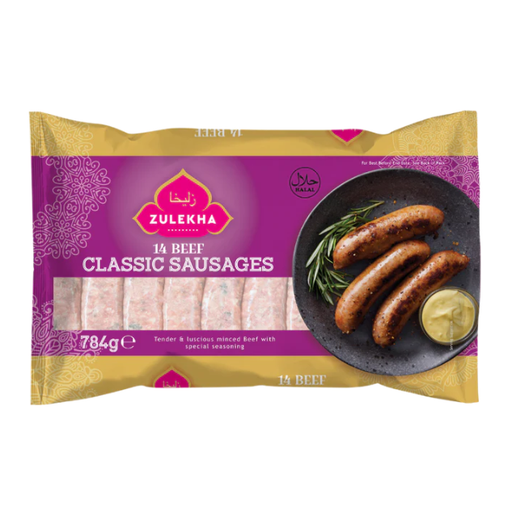
Why This Fits Their Persona: A 14-piece frozen pack is suitable for family breakfasts, burgers, bangers and mash or a planned barbecue without buying several smaller packs.
The listing clearly states the beef percentage, allergens and frozen storage requirements, helping shoppers assess value beyond pack size.
Halal beef product; can be shallow fried, oven baked, grilled or barbecued from frozen according to the listed instructions.
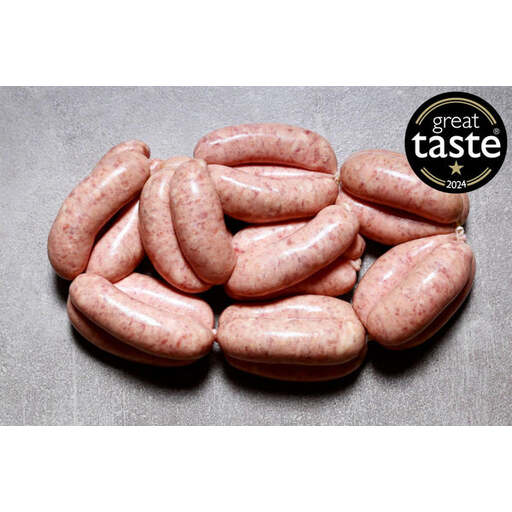
Why This Fits Their Persona: Suits shoppers looking for a traditional British pork sausage for a full English breakfast, sausage sandwich or mash with onion gravy.
The product information states 90% pork and identifies wheat in the breadcrumbs, making the composition easier to compare.
90% pork content; natural hog casings and hand-linked format are stated in the product description.
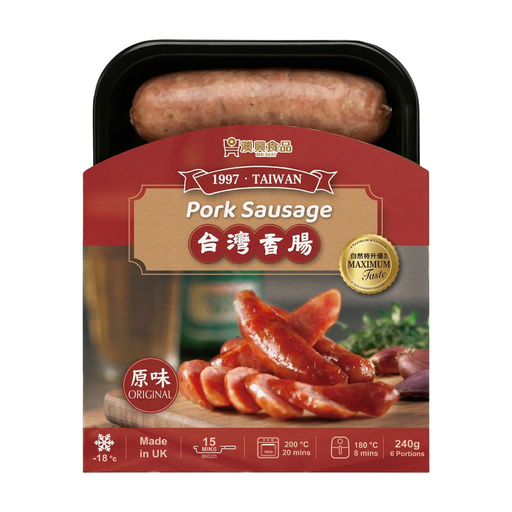
Why This Fits Their Persona: A practical choice for home cooks preparing rice dishes, snacks, lunch boxes or grilled food with a sweet-spiced Taiwanese profile.
The pack specifies frozen storage, defrosting guidance and a cooking requirement, so it is not mistaken for a ready-to-eat product.
Contains 88% pork; suitable for pan-frying, grilling or oven cooking when prepared according to the instructions.

Why This Fits Their Persona: Designed for shoppers seeking a vegan option for stir-fries, rice dishes, hot pot, soup or quick snacks.
Its description identifies the plant-based formula and also lists soya and wheat, helping shoppers check dietary suitability properly.
100% plant-based according to the listing; ready to eat and also suitable for sautéing or adding to cooked rice.
We have compiled a complete, real-time list of products that fully satisfy these strict selection criteria and UK safety regulations.
Before placing an order, confirm:
Keep raw sausages separate from ready-to-eat food, wash utensils after preparation and follow the manufacturer’s instructions. For barbecue sausages, use steady heat and turn them regularly to avoid a browned exterior with an undercooked centre.
Yes, depending on the product. British sausages suit cooked breakfasts, while fully cooked Japanese-style or ready-to-eat ham sausages can be more convenient for lunch boxes. Always check whether refrigeration is required after opening.
The correct storage period depends on the product and its packaging. Keep frozen products at -18°C or below, follow the stated best-before guidance and do not refreeze after thawing. Product-specific instructions should take priority.
Many pork, beef, chicken, Taiwanese and merguez sausages can be grilled or barbecued, but preparation requirements differ. Check whether the product is raw or cooked, and ensure it is heated thoroughly throughout before serving.