
24/7 Customer Support

Free returns

Same-day & Next-day Delivery

Quality Guaranteed

Unlock Your Welcome Offers: FREE Delivery | Up to 80% OFF | Free 30-day JoyPlus trial
Download the APP
Choosing shampoo can seem straightforward until you compare claims such as “repair”, “natural”, “professional” and “sulphate-free”. For UK shoppers, the right choice depends less on attractive packaging and more on your scalp needs, hair texture, washing routine and the actual ingredient list.
This guide from the Joybuy Product Recommendation Officer explains the common buying traps, the specifications worth checking and suitable options for different hair concerns.
A shampoo may contain a high percentage of natural-origin ingredients but still include fragrance allergens, essential oils or cleansing agents that do not suit every scalp. For example, fruit extracts and plant oils can support a moisturising shampoo formula, but they do not automatically make it suitable for sensitive skin.
Check the complete ingredient list rather than relying only on front-of-pack claims. If you are prone to irritation, a fragrance-free, colour-free or simpler formula may be more practical.
A sulphate-free shampoo does not necessarily have a weak cleansing action. John Frieda Dream Curls Shampoo, for example, is free from SLS and SLES but contains sodium C14-16 olefin sulfonate, a cleansing surfactant that can still feel thorough on the scalp.
Equally, a shampoo containing sulphates is not automatically unsuitable. The key question is whether your hair and scalp feel comfortable after washing. Very dry, curly or colour-treated hair may benefit from a less stripping routine, while heavy styling-product users may need stronger cleansing occasionally.
A purple shampoo is designed for blonde, highlighted or grey hair where toning is relevant. It is not a general moisturising shampoo for every hair colour. Likewise, a clarifying shampoo may help remove residue, but using one too often can leave dry or damaged hair feeling rough.
Match the product to a specific concern: hair repair shampoo for visible signs of damage, anti-frizz shampoo for unruly texture, shampoo for curly hair for moisture retention or dry scalp shampoo for a fragrance-free cleansing approach.
Look beyond the phrase “gentle”. Ingredients such as sodium laureth sulfate, sodium lauryl sulfate, olefin sulfonate, coco-betaine and glucosides indicate how a shampoo is built to cleanse.
Remember that “sulphate-free” refers to a particular group of surfactants; it does not mean the product contains no cleansing agents.
For shampoo for dry hair, inspect ingredients such as glycerin, panthenol, coconut oil, shea butter, plant oils and conditioning polymers. These can help hair feel softer and easier to comb, although the result depends on hair porosity, routine and follow-up conditioner.
A 3-in-1 product can offer flexibility. Garnier Ultimate Blends Coconut and Banana Hair Food shampoos can be used as shampoo, conditioner or a short hair mask according to the supplied directions. This may suit shoppers who want fewer products, but those with fine hair should check whether richer formulas leave the lengths weighed down.
If vegan or cruelty-free purchasing matters to you, look for a clearly stated certification or product information rather than assuming that a plant-based ingredient list is enough. Also check whether a formula is described as colour-safe, particularly if you have dyed or bleached hair.
Packaging size affects value. A 200–250ml bottle can be convenient for trying a formula, while 350–500ml options may suit regular household use. A 930ml or 1,000ml bottle can reduce repurchasing but requires suitable storage and confidence that the formula works for your routine.
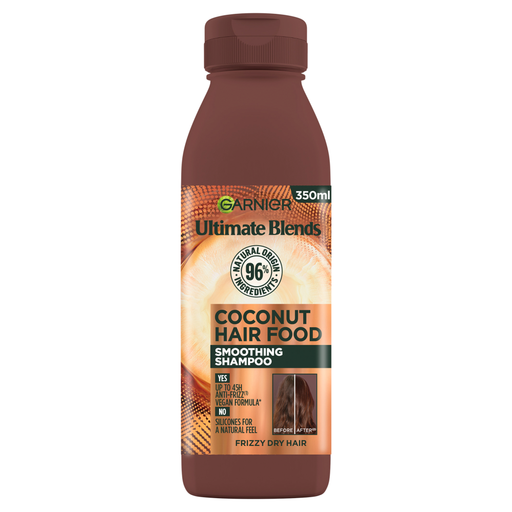
Why This Fits Their Persona: The 350ml bottle and three-use format suit shoppers building a simple routine for dry or dehydrated hair without buying separate cleansing, conditioning and masking products.
Its product information clearly lists the three intended uses and ingredient profile, so shoppers can assess the formula rather than relying only on “natural” language.
Contains coconut water, coconut oil and glycerin; the formula is listed as vegan and silicone-free.
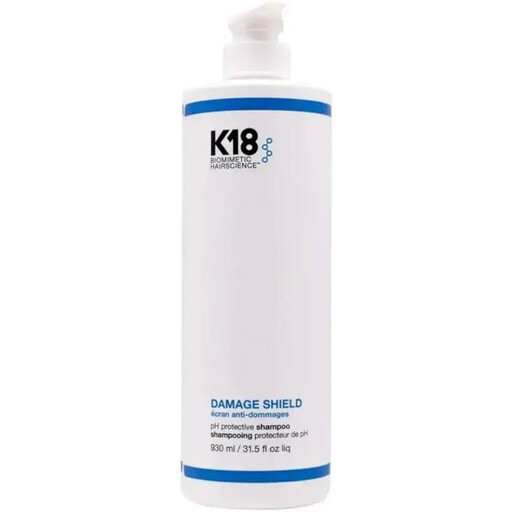
Why This Fits Their Persona: A large 930ml format suits shoppers who want a salon-grade shampoo-style routine for ongoing cleansing and maintenance of damaged-looking hair.
The ingredient list is available for checking, including sh-oligopeptide-78, panthenol and glycerin, rather than presenting repair language without formula details.
Large capacity; includes panthenol and conditioning ingredients intended for regular cleansing.
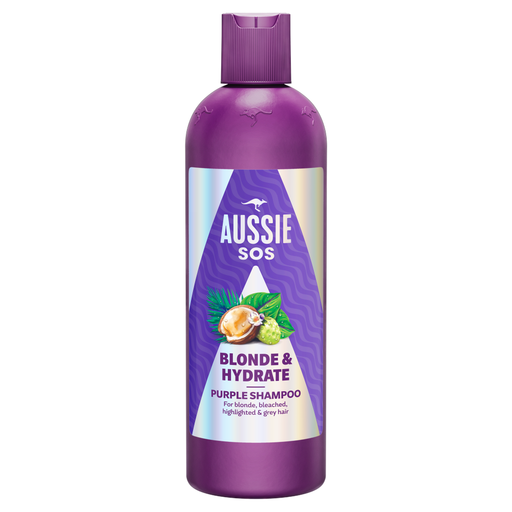
Why This Fits Their Persona: This is aimed at shoppers with blonde, highlighted, bleached or grey hair who specifically want a toning product in their routine.
The use case is clearly defined, and the directions specify leaving it on for 3–5 minutes. It should not be treated as an everyday shampoo for all hair colours.
Contains purple pigment; the product information identifies it for blonde, highlighted and grey hair.
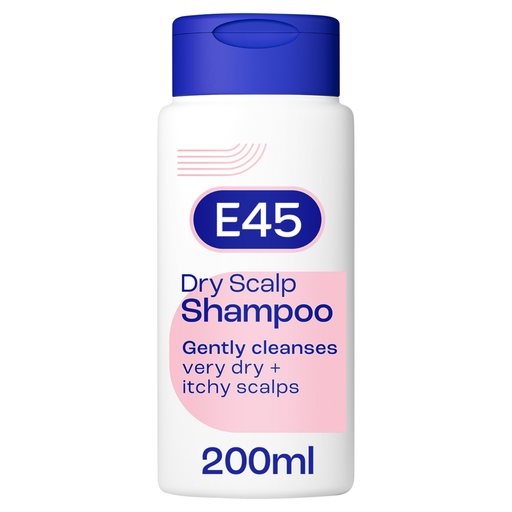
Why This Fits Their Persona: The soap-free, colour-free and perfume-free format may appeal to shoppers who prefer a simpler dry scalp shampoo for regular cleansing.
It avoids fragrance-led positioning and lists panthenol and climbazole. Persistent itching, redness or flaking should be discussed with a pharmacist or GP.
Perfume-free and colour-free; includes panthenol in a 200ml bottle.
We have compiled a complete, real-time list of products that fully satisfy these strict selection criteria and UK safety regulations.
Not necessarily. It can be useful for some curly, dry or colour-treated hair routines, but cleansing strength depends on the full surfactant blend. Check how your hair feels after washing and whether the product removes your usual styling products.
Use it occasionally when there is noticeable build-up from dry shampoo, oils, gels or heavy styling products. If your hair is dry, bleached or fragile, frequent clarifying may leave it feeling less comfortable. Follow with conditioner or a moisturising treatment.
Shampoo can cleanse and temporarily improve the feel, smoothness and manageability of damaged-looking hair. It cannot replace careful handling or restore every structural change. For breakage concerns, reduce excessive heat and tension, use conditioner and follow the product directions.