
24/7 Customer Support

Free returns

Same-day & Next-day Delivery

Quality Guaranteed

Unlock Your Welcome Offers: FREE Delivery | Up to 80% OFF | Free 30-day JoyPlus trial
Download the APP
Choosing shampoo is rarely as simple as picking a pleasant scent from the supermarket shelf. The right formula depends on your scalp, hair texture, colour treatment and how often you wash. A product that suits fine, untreated hair may leave curls dry, while a toning formula may be unnecessary for natural brunette hair.
This guide explains the main buying pitfalls, the specifications worth checking and suitable options for different UK households.
Moisturising ingredients can improve the feel of dry or textured hair, but a rich cleansing cream may feel heavy on fine hair or an oily scalp. Look beyond front-of-pack words and check whether the formula is designed for curly hair, coily hair, damaged lengths or everyday cleansing.
A sulphate-free shampoo can be useful for people who prefer milder cleansing or want to limit certain foaming agents. However, sulphate-free does not automatically mean suitable for a sensitive scalp and it may not remove heavy styling-product build-up in one wash. Read the full ingredients list and consider how much cleansing your routine actually requires.
A purple shampoo is intended to tone unwanted yellow or brassy-looking hues in blonde, highlighted or grey hair. It is not a replacement for a nourishing conditioner. Similarly, a bond repair shampoo can contain ingredients positioned around strengthening or improving manageability, but it cannot reverse every type of chemical or heat damage. Set realistic expectations and use conditioner or treatments where needed.
For everyday use, look for a formula that cleanses without leaving the scalp feeling tight. If you experience persistent flakes, redness, soreness or itching, avoid assuming the issue is simply dryness. Dry scalp shampoo and anti-dandruff products address different concerns, so seek advice from a pharmacist or GP if symptoms continue.
For sensitive skin, check for fragrance, colourants and known allergens. A shampoo for sensitive scalp may use a simpler formula, but always read the current packaging because ingredients can change.
Curly, wavy and coily hair often benefits from humectants and conditioning agents that help improve slip and manageability. Look for ingredients such as glycerin, panthenol, plant oils or conditioning polymers, while considering whether your hair becomes weighed down easily.
A shampoo for curly hair should cleanse the scalp while helping lengths remain manageable. For children, a tear-free formula and easy-rinse texture can make bath time more practical. Parents should still supervise use and keep shampoo away from the eyes.
Colour-treated hair may benefit from a colour-protecting shampoo and a routine that avoids unnecessary over-washing. A brunette shampoo may focus on shine and the appearance of dimensional brown tones, while purple formulas are generally aimed at blonde, highlighted, platinum or grey hair.
For brittle or chemically treated lengths, compare a shampoo for damaged hair by its stated ingredients rather than relying only on words such as “repair”. If you prefer plant-based purchasing criteria, confirm whether the product is labelled vegan and check the ingredient list for your own sensitivities.
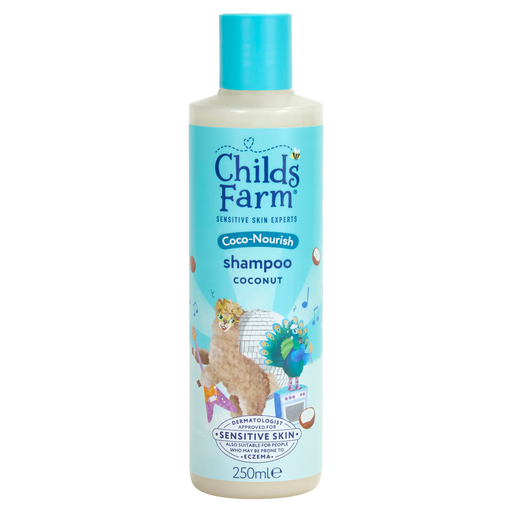
Why This Fits Their Persona: A practical choice for families seeking children's shampoo for dry, wavy, curly or coily hair, including use from newborn age as stated by the product information.
It provides clear suitability information rather than relying only on a generic “gentle” label: the formula is tear-free, quick-rinse and made with 97% natural-origin ingredients.
Coconut water and naturally derived cleansers; Vegan Society certification and Leaping Bunny approval are stated in the product details.
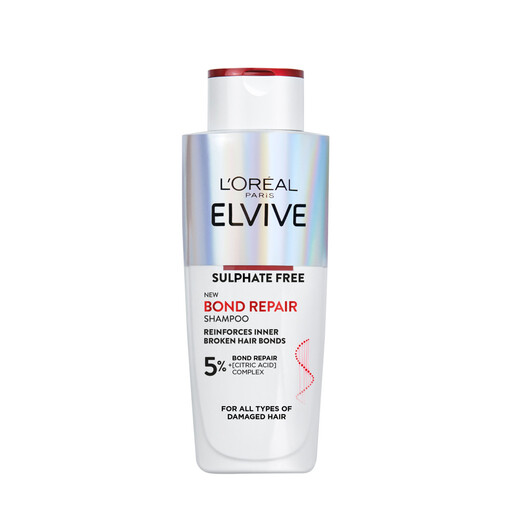
Why This Fits Their Persona: Suits shoppers comparing a structured routine for hair affected by bleaching, brushing, heat styling or other everyday stress.
The product information identifies its intended use for damaged hair and lists the cleansing and conditioning ingredients, allowing a more informed comparison than a vague repair promise.
Sulphate-free positioning in the description; contains citric acid, glycerin and conditioning polymers for a smoother-feeling wash.
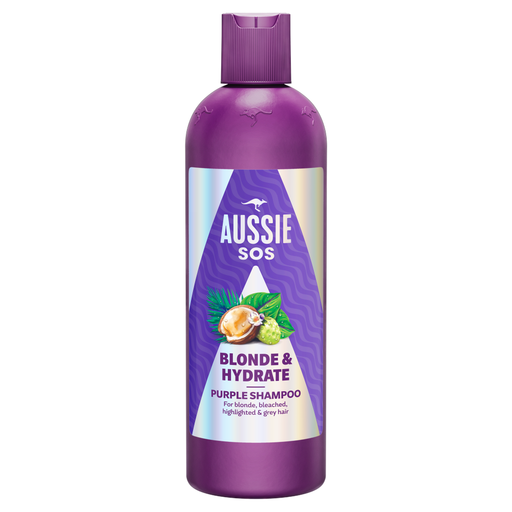
Why This Fits Their Persona: Designed for shoppers with bleached, highlighted, blonde, platinum or grey hair who want a toning step within their wash routine.
Its directions specify leaving the shampoo on for three to five minutes, making the toning process easier to control than guessing from a quick rinse.
Contains purple pigment and is described for blonde, highlighted and grey hair; the bottle is recyclable PET according to the product information.
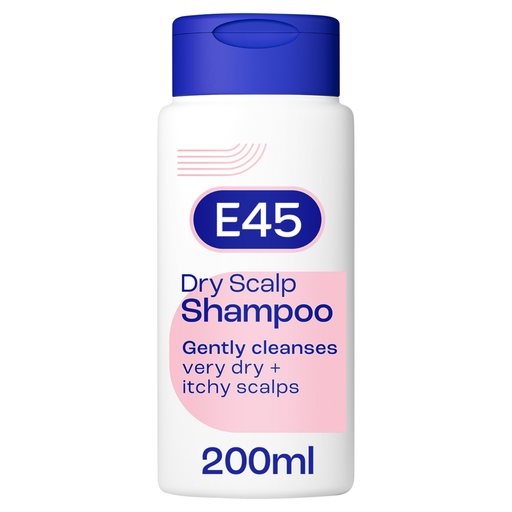
Why This Fits Their Persona: A suitable comparison point for UK shoppers looking for a fragrance-free, colour-free formula for dry, itchy or flaky scalp concerns.
It distinguishes the intended scalp concern and lists a soap-, colour- and perfume-free formulation instead of relying only on a broad sensitive-skin claim.
Contains panthenol and glycerin; the product details state that it is suitable for regular use on all hair types.
We have compiled a complete, real-time list of products that fully satisfy these strict selection criteria and UK safety regulations.
There is no single schedule for everyone. Oily scalps, frequent exercise and heavy styling may require more regular washing, while dry, curly or coily hair may feel more comfortable with less frequent cleansing. Adjust according to scalp comfort, build-up and hair texture.
Cosmetic products should be stored as directed and checked for the period-after-opening symbol, batch information and any expiry guidance on the packaging. Discard shampoo if its smell, colour or texture changes noticeably, even if the bottle is not empty.
A fragrance-free or hypoallergenic formula may be preferable for some people, but shampoo is not a substitute for medical advice. If itching, flaking, soreness or rash persists, speak to a pharmacist or GP and follow the product warnings carefully.