
24/7 Customer Support

Free returns

Same-day & Next-day Delivery

Quality Guaranteed

Unlock Your Welcome Offers: FREE Delivery | Up to 80% OFF | Free 30-day JoyPlus trial
Download the APP
Choosing shampoo can seem straightforward until you compare formulas, ingredients, bottle sizes and promises about shine, volume or repair. A product that suits dry curls may leave fine hair flat, while a toning shampoo intended for blonde hair may be unsuitable for frequent use.
For UK shoppers, the sensible approach is to match the formula to your hair texture, scalp condition and washing routine, rather than choosing based on packaging claims alone.
Rich oils, butters and conditioning agents can make dry or coarse hair feel softer, but they may leave fine hair looking limp or greasy. The best shampoo for dry hair is not automatically suitable for fine or oily roots.
For dehydrated, curly or coily hair, look for ingredients such as glycerin, coconut oil, shea butter or panthenol. If your hair is fine, choose a lightweight or volumising shampoo for fine hair and apply conditioner mainly to the mid-lengths and ends.
A sulphate-free shampoo can be useful if your hair is colour-treated, dry or prone to feeling stripped after washing. However, “sulphate-free” does not describe the entire formula. Fragrance, essential oils and other cleansing agents may still be unsuitable for some scalps.
Check the full ingredients list and consider how much styling product, dry shampoo or oil you use. A mild formula may need two washes to remove heavy build-up.
Purple shampoo for blonde hair is designed for occasional toning, not necessarily everyday cleansing. Clarifying shampoo can remove residue, but frequent use may feel drying on already fragile hair. Similarly, shampoo for damaged hair supports a careful hair-care routine but cannot reverse every type of damage.
Marketing language should be treated as a starting point. Check the product’s intended use, directions, size and formulation before buying.
The cleansing base determines how a shampoo removes sebum, dirt and styling residue. Sodium Laureth Sulfate and Sodium Lauryl Sulfate are effective cleansing agents found in some mainstream formulas. Alternatives include glucosides, isethionates, betaines and sulfosuccinates.
There is no universal requirement for every shopper to avoid sulphates. Instead, consider:
Glycerin, oils, fatty alcohols, polyquaterniums, panthenol and silicones can improve softness, slip and manageability. Silicones are not automatically a flaw; they can help reduce friction and frizz. If you prefer to avoid them, check the full label rather than relying only on front-of-pack wording.
For an anti-frizz shampoo, look for conditioning ingredients and follow with a suitable conditioner. Hair that feels rough after cleansing may need more conditioning rather than a stronger shampoo.
Purple pigments can visually counteract yellow or brassy tones in blonde, highlighted or grey hair. Follow the stated contact time and rinse thoroughly, as pigments may temporarily mark pale surfaces.
For scalp care shampoo, ingredients such as salicylic acid, PHA, menthol, oat extracts or soothing botanicals may be included for a fresh or cleansing feel. These products are cosmetic hair-care items, not substitutes for medical advice. Stop using a product if irritation occurs.
Also check the bottle size. A 250–300ml bottle can suit occasional use, while 500ml or 930ml formats may be more practical for a household or regular washing routine.
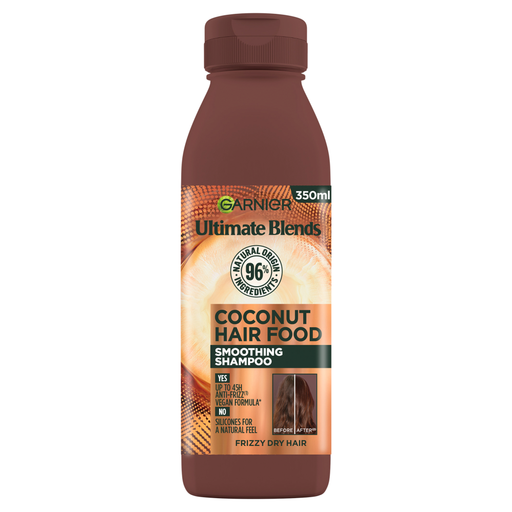
Why This Fits Their Persona: Its 350ml size and three-use format can suit shoppers building a simple routine for dry or dehydrated hair.
The label clearly describes shampoo, conditioner and mask uses, so shoppers can adjust application rather than overusing a rich formula.
Vegan formula, no silicones and coconut water and coconut oil in the ingredient list.
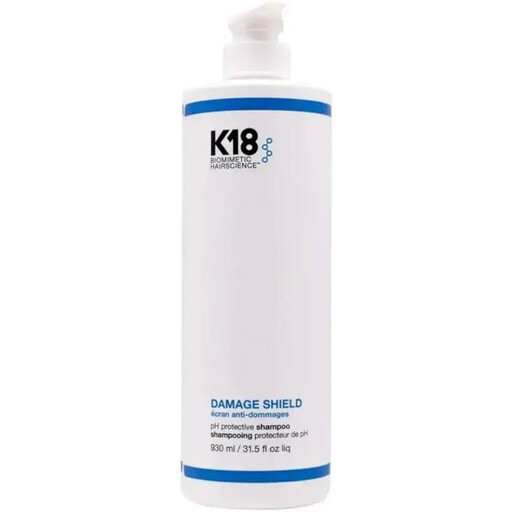
Why This Fits Their Persona: The large bottle is suited to regular household washing and routines focused on damaged, frizzy or chemically treated hair.
The product information identifies the cleansing, conditioning and maintenance focus instead of presenting it as a universal repair solution.
930ml format with oligopeptide, panthenol and glycerin listed; designed for daily cleansing.
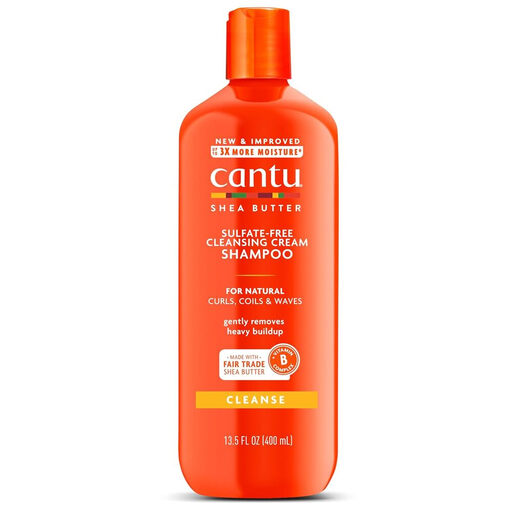
Why This Fits Their Persona: A practical option for natural, curly and coily textures, particularly where gels, creams or oils create regular build-up.
The directions specifically allow a second lather for heavy build-up, making the cleansing approach clearer for textured-hair routines.
Sulphate-free formula with shea butter; the product information excludes silicones, parabens and mineral oil.
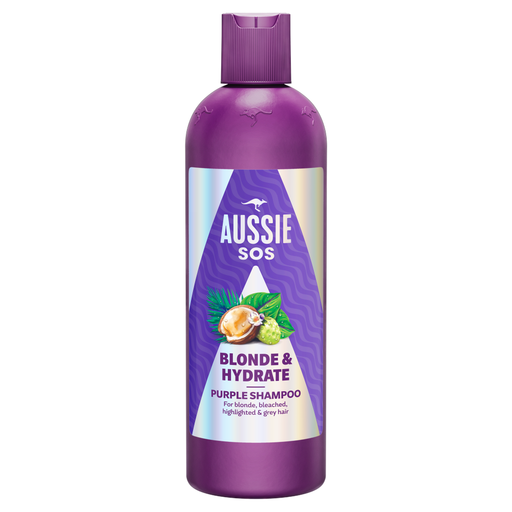
Why This Fits Their Persona: Suitable for shoppers maintaining bleached, highlighted, blonde or grey hair who want an occasional toning wash.
Its directions specify a three-to-five-minute contact time, helping users control the level of toning rather than treating it as an everyday shampoo.
300ml bottle with purple pigment and a vegan formulation according to the product information.
We have compiled a complete, real-time list of products that fully satisfy these strict selection criteria and UK safety regulations.
Before placing an order, compare:
Other options include a dedicated shampoo for damaged hair, a colour-protecting formula such as Color Wow Color Security Shampoo, a clarifying apple cider vinegar formula from Aveeno or a fine-hair option such as Olaplex No.4 Fine Bond Maintenance Shampoo. Read each product label before use, particularly if your hair has been bleached or your scalp is sensitive.
There is no single schedule for everyone. Oily scalps, exercise and styling-product use may require more frequent washing, while dry, curly and coily hair may be washed less often. Adjust according to scalp comfort and visible build-up.
Usually, no. Purple shampoo is intended to tone blonde, highlighted or grey hair. Many users alternate it with their normal cleansing shampoo and follow the stated contact time to avoid over-toning.
A 250–300ml bottle may last several weeks or longer, depending on hair length, washing frequency and whether one or two washes are needed. A 500ml or 930ml bottle can offer more capacity, but check the opening and storage guidance and use the product before its stated expiry information where applicable.