
24/7 Customer Support

Free returns

Same-day & Next-day Delivery

Quality Guaranteed

Unlock Your Welcome Offers: FREE Delivery | Up to 80% OFF | Free 30-day JoyPlus trial
Download the APP
Buying shampoo can seem straightforward until a bottle leaves your hair greasy, dry, weighed down or still covered in visible flakes. UK shoppers also face confusing claims around “detox”, “repair”, “brightening” and “daily care”, while larger bottles can represent poor value if the formula does not suit your scalp.
This guide explains the practical details to check before choosing shampoo, from anti-dandruff shampoo and oily scalp shampoo to clarifying shampoo, blonde brightening shampoo and large bottle shampoo options.
A clarifying shampoo, detox shampoo or scalp purifying shampoo is designed to remove excess oil, styling residue and environmental build-up. However, stronger cleansing is not automatically suitable for every wash. Using a deep-cleansing formula too frequently may leave lengths feeling dry or rough, particularly if hair is bleached, coloured or naturally fine.
Check whether the product is described for regular use or occasional cleansing. A formula containing charcoal powder, salicylic acid, thermal mud or stronger surfactants may be more suitable when build-up is the main concern rather than as an automatic daily choice.
Anti-dandruff shampoo can be useful for visible flakes and scalp discomfort associated with dandruff, but persistent redness, swelling, soreness or itching should not be managed by continually changing products. Look for the active ingredient on the packaging, such as piroctone olamine, and follow the directions supplied.
If symptoms do not improve or become worse, stop using the product and seek advice from a pharmacist, GP or dermatologist. A shampoo is a cosmetic or personal-care product, not a substitute for professional diagnosis.
A 750ml or 1,000ml bottle may suit a family, salon or household with several regular users. Yet a large-capacity shampoo can be wasteful if it is only appropriate for occasional use or if its fragrance and formula do not suit everyone.
Compare the price per 100ml, intended frequency of use, pump or cap design and storage space before purchasing. Check the product’s opening-period guidance and keep the bottle sealed in a cool, dry place.
Match the formula to the problem you are trying to solve:
Blonde or lightened hair may benefit from a blonde brightening shampoo, but gradual brightening products are not the same as bleach or permanent colour. Read whether the formula is intended for natural blonde, colour-treated blonde or highlighted hair.
For damaged lengths, look for conditioning ingredients such as panthenol, glycerin, polymers, oils or peptides. These can improve how hair feels and behaves after washing, but they do not permanently rebuild every form of damage.
Always compare the full ingredient list on the product packaging with your needs. Fragrance allergens, menthol, essential oils, acids and colourants may be unsuitable for some sensitive scalps.
In the UK, check the ingredient list, responsible-person details, batch information, product warnings and period-after-opening symbol where applicable. If you have a known allergy, do not rely on front-of-pack descriptions. A patch test may be sensible for products with colourants or for people who have reacted to haircare products previously.
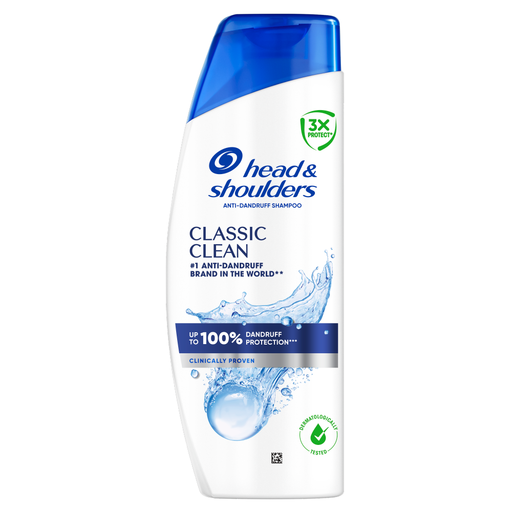
Why This Fits Their Persona: The 250ml format is a manageable starting point for shoppers comparing an anti-dandruff shampoo before committing to a larger household bottle.
Its ingredient list identifies piroctone olamine, making the anti-dandruff active easier to compare than a vague “fresh scalp” claim.
250ml size; pH-balanced formula listed; light fresh fragrance.
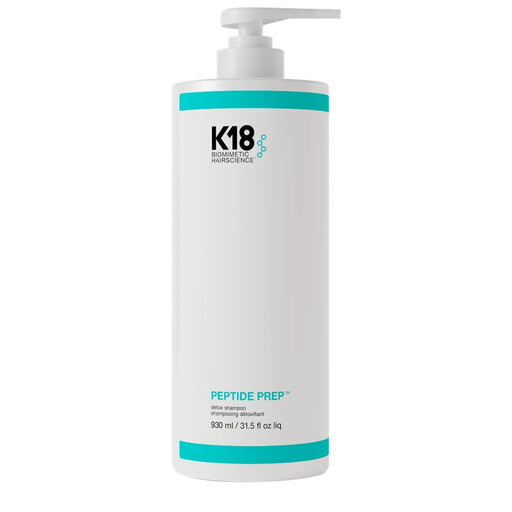
Why This Fits Their Persona: This large professional-style format suits shoppers who regularly use styling products or want one detox shampoo for a busy household or salon setting.
The 930ml capacity makes the purchase easier to assess by usage volume, while charcoal powder and salicylic acid clearly signal a deep-cleansing purpose.
930ml net content; charcoal powder; includes panthenol, glycerin and oligopeptide.
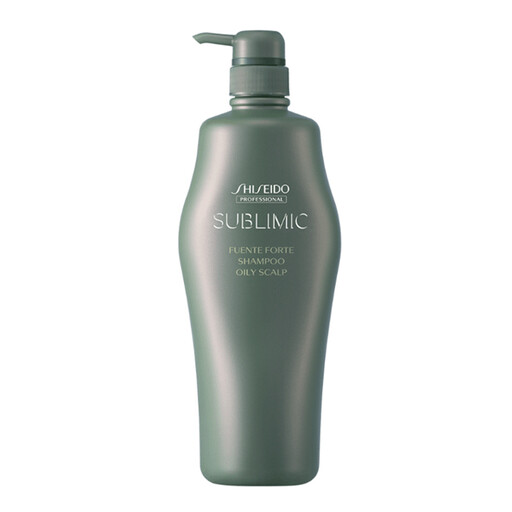
Why This Fits Their Persona: A 1,000ml bottle is practical for frequent washers, families or salons where oily scalp cleansing is a regular requirement.
The product is specifically labelled for oily and rough scalps, so its intended use is clearer than a general-purpose “purifying” description.
1,000ml capacity; intended for oily scalps; directions suggest use two to three times weekly or as needed.
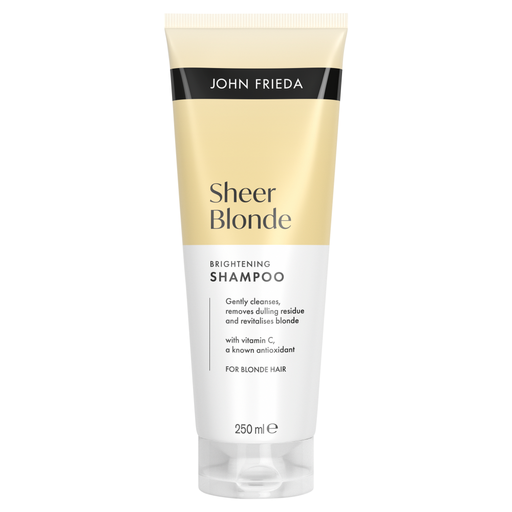
Why This Fits Their Persona: Suitable for shoppers with natural or colour-treated blonde hair who want a brightening-focused shampoo in a smaller 250ml bottle.
Its description specifies gradual brightening for blonde hair, helping shoppers distinguish it from permanent lightening or bleaching products.
250ml size; vegan and silicone-free formula listed; suitable for natural and colour-treated blonde hair.
We have compiled a complete, real-time list of products that fully satisfy these strict selection criteria and UK safety regulations.
Usually, a clarifying shampoo is selected for occasional build-up or oily roots rather than automatically replacing a daily-use shampoo. Follow the product directions and monitor how your scalp and hair lengths feel. If hair becomes rough or the scalp feels tight, reduce frequency and use a gentler formula between clarifying washes.
An apple cider vinegar shampoo may be appealing when you want a fresh-feeling cleanse and help with product build-up. However, the ingredient alone does not determine suitability. Check the complete formula, especially surfactants, fragrance and conditioning agents. AVEENO Apple Cider Vinegar Shampoo 300ml also lists colloidal oatmeal and conditioning ingredients, while Head & Shoulders Clarify & Shine Shampoo 250ml combines apple cider vinegar with piroctone olamine.
Usage depends on hair length, washing frequency, household size and the amount dispensed each time. A 750ml or 1,000ml bottle can last substantially longer than a 250ml bottle, but calculate the cost per 100ml and check the product’s opening guidance. A pump can also help control the amount used and reduce waste.