
24/7 Customer Support

Free returns

Same-day & Next-day Delivery

Quality Guaranteed

Unlock Your Welcome Offers: FREE Delivery | Up to 80% OFF | Free 30-day JoyPlus trial
Download the APP
Choosing shampoo can seem straightforward until you compare ingredients, scalp needs, ethical claims, bottle sizes and age guidance. A product that works well for dry hair may leave oily roots feeling heavy, while a family-friendly wash may not provide the conditioning that curly or coloured hair needs.
This guide explains what to check before buying shampoo and highlights suitable options for different UK households, routines and budgets.
A label such as natural shampoo or “plant-based” does not automatically mean a formula will suit everyone. Essential oils, fragrance ingredients and botanical extracts can still cause sensitivity for some users. Always read the complete ingredients list, particularly if you have a shampoo for sensitive scalp requirement or known allergies.
Also check the percentage claim carefully. “Natural origin” may refer to a calculation method rather than meaning that every ingredient comes directly from a plant.
Sulphate-free shampoo can be appealing if you prefer a milder-feeling wash, have a dry scalp or want to reduce the chance of hair feeling stripped. However, cleansing performance depends on the full surfactant blend, not one ingredient alone. A shampoo containing oils, conditioners or rich fragrance may still feel unsuitable for fine or oily hair.
Check the packaging rather than relying only on the product title. For example, a product description may highlight a formula as free from SLS, while the ingredient list can contain a different sulphate cleanser. The Faith In Nature Aloe Vera 5L listing includes Ammonium Lauryl Sulfate, so shoppers specifically avoiding sulphates should verify the current packaging before purchase.
Bulk shampoo 5L and refill shampoo formats can reduce the need for multiple smaller bottles, but they require suitable storage and dispensing. A five-litre container may be impractical beside a domestic shower, and repeatedly opening it can create mess or contamination concerns.
For salons, hotels, gyms and larger households, decanting into clean, labelled pump bottles is more practical. Keep the main container tightly closed and follow the shelf-life and storage information printed on the packaging.
Start with the main concern rather than the most attractive front-of-pack claim:
Useful points to compare include cleansing agents, fragrance, preservatives, essential oils, silicones and conditioning polymers. “Paraben-free”, “vegan shampoo” and “cruelty-free shampoo” describe different aspects of a product:
If irritation, itching or redness occurs, stop using the product. Seek advice from a qualified healthcare professional if symptoms continue.
A 250ml or 400ml bottle may have a lower upfront cost and be easier to store. A 5L refill can make more sense for frequent users, but compare the price per litre and account for pumps, decanting bottles and storage space.
For environmentally conscious households, look at the complete packaging design. A refill can reduce the number of individual bottles used, but only if the container is reused appropriately and the format suits your routine.
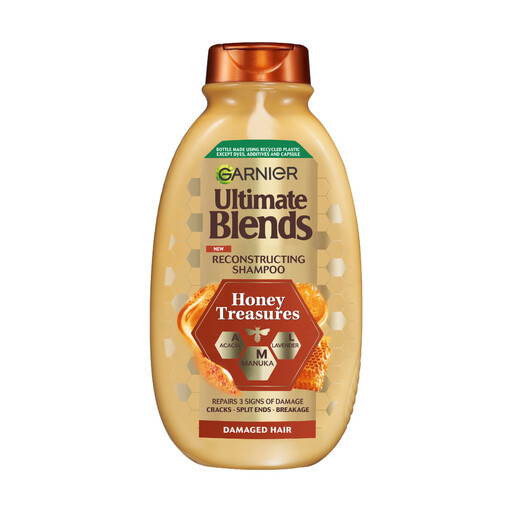
Why This Fits Their Persona: A practical everyday option for shoppers seeking shampoo for dry hair without moving straight to a salon-sized container.
The 400ml size is easier to trial than a bulk format. Shoppers can still review the full ingredients and fragrance information before committing.
Paraben-free formula with honey, propolis and royal jelly extracts; designed for dry and damaged hair.
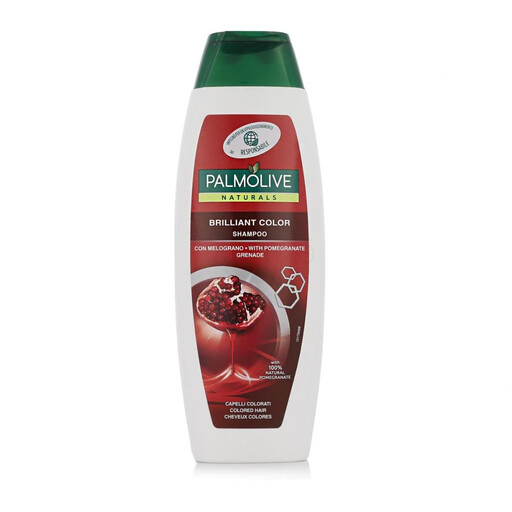
Why This Fits Their Persona: Suitable for people who want a dedicated colour-protecting shampoo in a manageable bottle for regular home use.
The product description identifies a UV filter, but buyers should still follow the label and remember that shampoo alone cannot prevent every cause of colour fade.
350ml format; includes pomegranate, pearl and almond-derived ingredients and lists a UV-filter ingredient.
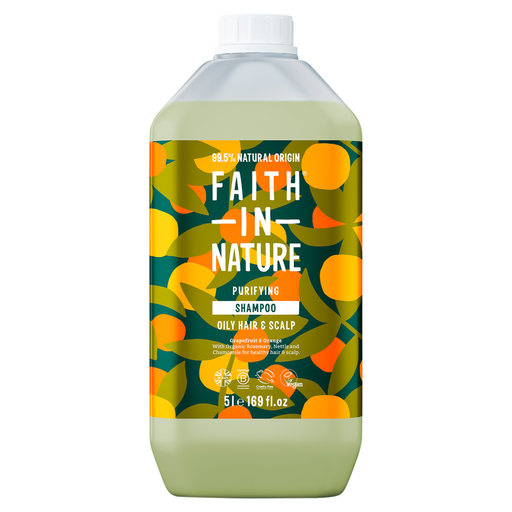
Why This Fits Their Persona: A refill-focused choice for salons, accommodation providers, gyms and busy households that wash hair frequently.
Its 5L format is intended for refilling smaller bottles, avoiding the impracticality of using a large container directly in a shower.
5L bottle; listed as 99.5% natural origin and free from parabens, SLS, SLES and silicones; vegan and cruelty-free according to the product information.
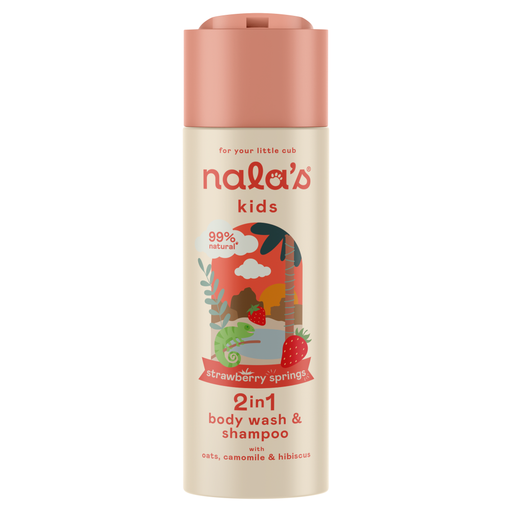
Why This Fits Their Persona: Designed for parents who want a simple bath-time routine with one product for hair and body.
The stated 0+ months guidance and 2-in-1 design make the intended use clear, while the 200ml size limits wasted product if the fragrance is not preferred.
99% natural origin ingredients; combines body wash and shampoo; suitable from 0+ months according to the product listing.
We have compiled a complete, real-time list of products that fully satisfy these strict selection criteria and UK safety regulations.
For children who swim regularly, Childs Farm 3 in 1 Swim Strawberry & Mint Shampoo and Conditioner is listed as tear-free and sulphate-free, with a quick-rinse formula for hair and body. Its stated age guidance is 0+ months. The Bluey Hair & Body Wash is another children’s option, listed with 96% natural origin ingredients, a recyclable bottle made with recycled ocean-bound plastic excluding the cap and label, and Vegan Society and Leaping Bunny credentials.
For normal to dry hair, Faith In Nature Lavender & Geranium 5L provides a refill-sized format with lavender and geranium oils. Those sensitive to fragrance should review its essential oils before buying. The Aloe Vera 5L version includes organic aloe vera extract and is listed as vegan and cruelty-free, but its ingredient list should be checked carefully by anyone avoiding sulphates.
There is no single schedule for everyone. Oily scalps may need more frequent washing, while dry or curly hair may feel more comfortable with less frequent cleansing. Use the amount directed on the label and adjust according to how your scalp and hair feel.
Not necessarily. Longevity depends on bottle size, how much you use, hair length, washing frequency and whether you shampoo once or twice. Compare the price per 100ml or per litre, rather than judging value by the bottle price alone.