
24/7 Customer Support

Free returns

Same-day & Next-day Delivery

Quality Guaranteed

Unlock Your Welcome Offers: FREE Delivery | Up to 80% OFF | Free 30-day JoyPlus trial
Download the APP
Navigating the world of smart TVs can feel like wading through a sea of acronyms and marketing promises. With every brand claiming to offer the sharpest picture and the smartest features, it’s easy to end up with a television that looks great on the shelf but disappoints at home. As the Joybuy Product Recommendation Officer, my role is to help you sidestep the common pitfalls and focus on what truly matters for your viewing experience.
Before you spend your hard-earned money, be aware of these frequent traps:
To make a confident choice, it helps to understand the core technologies that define a TV's performance. Forget the marketing fluff; these are the terms that have a real impact on what you see.
While a 4K smart TV is the standard for clarity, the panel technology behind the pixels is what creates a truly stunning picture.
The operating system (OS) is the brain of your smart TV. It dictates your user experience, app availability and overall speed. Key platforms in the UK market include:
When choosing, check for support for key UK apps like BBC iPlayer, ITVX, Channel 4 and My5 and look for smooth integration of services like Freely TV.
The ports on the back of your TV are crucial for getting the most out of your other devices.
Instead of a one-size-fits-all approach, we've matched some standout models to the people they are designed for.
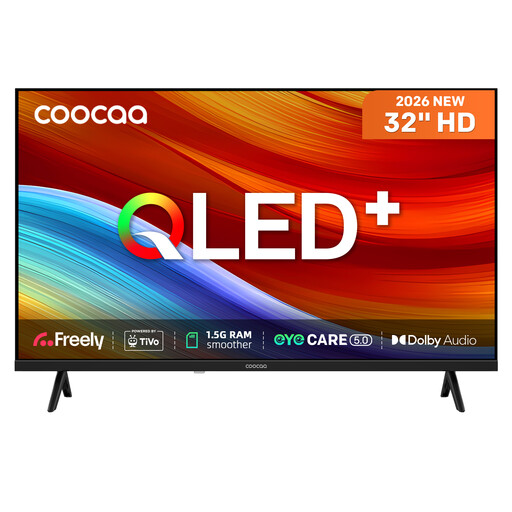
Why This Fits Their Persona: Ideal for a bedroom, kitchen or study, this TV focuses on delivering a high-quality experience in a compact size. It's perfect for the UK cord-cutter who wants all their free live and on-demand content in one place via Freely TV, without the clutter of extra boxes.
It sidesteps the "slow smart TV" trap with the responsive TiVo OS and an upgraded 1.5GB of RAM, ensuring smooth navigation. It also features hardware-level blue-light reduction for more comfortable viewing.
The QLED panel provides surprisingly vibrant and accurate colours for its size. Built-in Freely TV offers a seamless, all-in-one streaming experience over Wi-Fi.
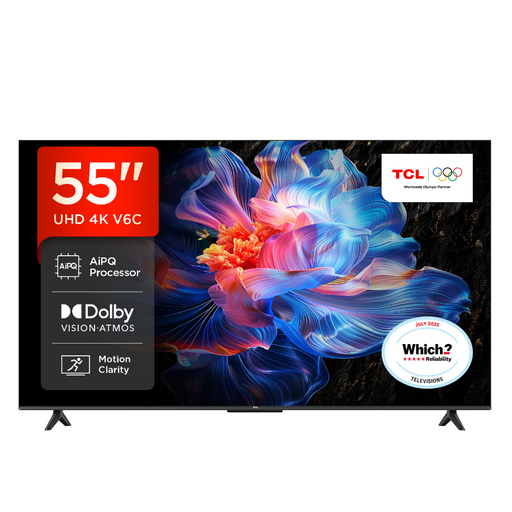
Why This Fits Their Persona: This 55 inch TV is a fantastic centrepiece for a family living room. It balances great picture quality, a comprehensive smart platform with Google TV and future-facing features for movie lovers and casual gamers alike.
It avoids "paper HDR" by supporting multiple formats, including Dolby Vision, ensuring you get an optimised picture from services like Netflix. The AiPQ Processor keeps the Google TV interface running smoothly.
Support for Dolby Atmos provides immersive audio, while the 120Hz Game Accelerator offers smoother motion for gaming and sports. The bezel-less metal design gives it a premium look.
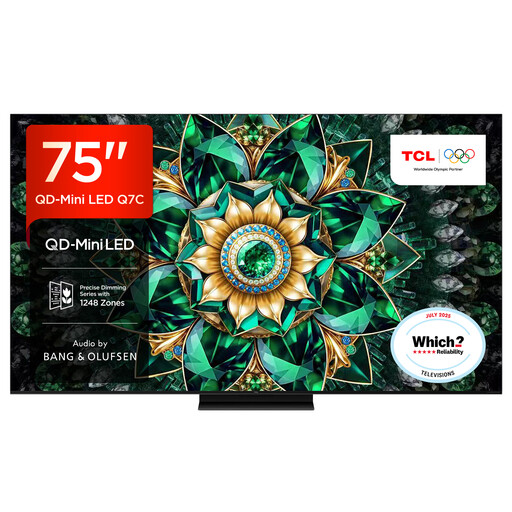
Why This Fits Their Persona: For those who demand high performance, this TCL TV delivers. Its large 75-inch screen, advanced display technology and premium features make it an exceptional choice for a dedicated home cinema or a serious gaming TV setup.
This is the antithesis of "paper HDR." The QD-Mini LED panel with up to 2048 dimming zones and high peak brightness delivers phenomenal contrast and impactful HDR. The native 144Hz refresh rate isn't a simulation; it's genuine high-frame-rate performance.
Exceptional brightness and contrast control for cinematic visuals. The native 144Hz panel and HDMI 2.1 ports provide a fluid and responsive gaming experience. Audio co-engineered by Bang & Olufsen offers premium sound straight out of the box.
Once you've chosen the right TV, consider how its environment can enhance the picture. Placing a light source behind your screen, often called bias lighting, can improve the perceived contrast of the image, making blacks appear deeper and colours more vibrant. It also helps to reduce eye strain during long viewing sessions in a dark room.
Products like the Yeelight Obsid RGBIC LED Light Strip are designed for this purpose. They can be attached to the back of your TV and set to a static white or a dynamic colour that complements what's on screen, creating a more immersive and comfortable home cinema atmosphere.
We have compiled a complete, real-time list of products that can help you create the perfect viewing environment and satisfy strict UK safety regulations.
A modern smart TV panel is generally built to last for many years of regular use. The more pressing concern is software longevity. A TV's smart features rely on its OS receiving updates to keep apps working and secure. Brands like TCL, Hisense and those using Google TV or Roku TV typically provide updates for several years. Expect a good quality TV to serve you well for 5-7 years or more before you might consider upgrading for new technology.
Yes, if you watch or record live TV on any channel or service. The UK TV licence requirement applies to watching live content, whether it comes from an aerial, a satellite dish or streamed over the internet via services like BBC iPlayer, ITVX or Freely TV. If you only ever use your smart TV to watch on-demand or catch-up content (after it has been broadcast), you do not need a TV licence.
The refresh rate (measured in Hertz or Hz) is how many times per second the image on the screen is updated. A standard 60Hz TV is perfectly fine for most films and TV shows. However, a high refresh rate panel (120Hz or 144Hz) makes a noticeable difference with fast-moving content. For sports, the ball and players will appear smoother with less motion blur. For gaming, it allows for higher frame rates, resulting in a more fluid and responsive gameplay experience that can give you a competitive edge.