
24/7 Customer Support

Free returns

Same-day & Next-day Delivery

Quality Guaranteed

Unlock Your Welcome Offers: FREE Delivery | Up to 80% OFF | Free 30-day JoyPlus trial
Download the APP
Strolling down the international food aisle, you are met with a wall of soy sauce bottles. Japanese, Chinese, light, dark, gluten-free, less salt—the choice can be overwhelming. It is a staple in many UK kitchens, yet it is easy to grab the wrong bottle, resulting in a dish that tastes nothing like the recipe intended. Many home cooks find themselves with a cupboard full of half-used bottles, purchased for a single recipe and never touched again.
This guide cuts through the confusion. We will highlight the common pitfalls that lead to wasted money and disappointing meals, and break down the essential factors to consider. Our goal is to help you select a versatile, high-quality soy sauce that truly meets your cooking and dietary needs.
Before you add a bottle to your basket, be aware of these frequent traps that catch out even seasoned shoppers.
To make an informed choice, focus on these three non-negotiable parameters. They will determine the flavour, function and suitability of the soy sauce for your kitchen.
The most significant factor in a soy sauce's quality is how it is made.
The country of origin often dictates the sauce's primary characteristics and intended use.
For many UK households, dietary requirements are a top priority.
We have matched some popular options to different UK home cooks, explaining how they address the common pitfalls and what makes them a practical choice.
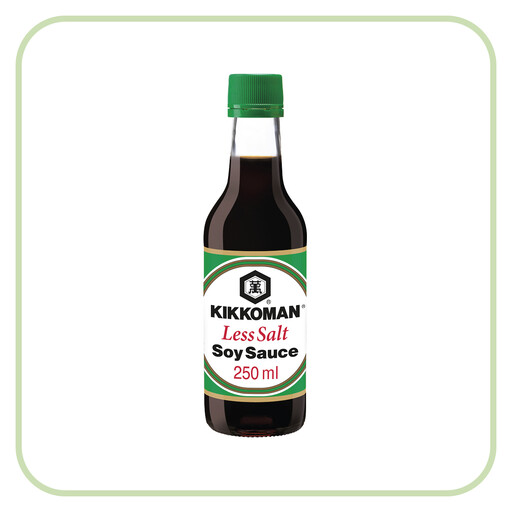
Why This Fits Their Persona: This is for the home cook who wants the authentic flavour of a Japanese soy sauce but is actively looking to reduce sodium in their family's diet. It's a versatile, all-purpose shoyu for everyday cooking.
It directly solves the "high sodium" pitfall. By using a special brewing process, it reduces salt by 43% compared to the original, without resorting to artificial additives.
Naturally brewed for a full-bodied umami flavour. It's a direct, healthier substitute for standard soy sauce in any recipe.
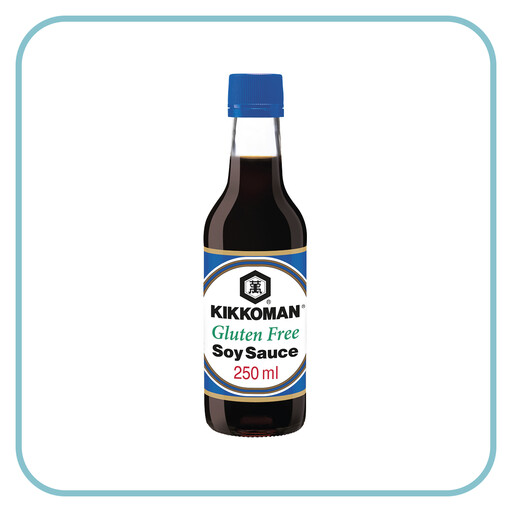
Why This Fits Their Persona: Perfect for anyone with coeliac disease or a gluten sensitivity who doesn't want to compromise on flavour. This tamari provides the authentic, rich taste needed for Asian and fusion cooking.
It completely avoids the "hidden gluten" pitfall. As a certified gluten-free tamari made without wheat, it's a safe and reliable choice.
Naturally brewed with just four ingredients for a pure, rich flavour. It is also certified Halal and vegan, making it suitable for multiple dietary needs.

Why This Fits Their Persona: This is for the cook who wants to recreate a specific, authentic dish at home—in this case, Korean fried chicken. They need a purpose-built sauce, not a generic one.
It debunks the "all-purpose" myth by being a speciality product. Its thick, glossy consistency is designed specifically for coating fried chicken, something a thin soy sauce cannot do.
Delivers a consistent, restaurant-standard flavour profile for a popular Korean dish. It's a convenient way to achieve an authentic taste without buying multiple ingredients.
We have compiled a complete, real-time list of products that fully satisfy these strict selection criteria and UK safety regulations.
The main differences are in their production, flavour and use. Light soy sauce (Chinese sheng chou) is thinner and saltier, used to add savoury flavour during cooking without significantly altering the colour of the dish. Dark soy sauce (Chinese lao chou) is aged longer, often with molasses, making it thicker, darker and less salty but with a sweeter taste. Its primary role is to add a rich, caramel colour to braised meats and stir-fries.
Yes, absolutely. Tamari soy sauce is an excellent substitute for regular soy sauce in almost any application. As it is typically brewed without wheat, it is the go-to gluten free soy sauce. It tends to have a slightly richer, more balanced and less aggressively salty flavour than standard Chinese light soy sauce, making it a fantastic all-purpose seasoning and dipping sauce.
Due to its high salt content, soy sauce is very stable. However, its quality will degrade over time once opened. For the best flavour and aroma, it is recommended to store the bottle in the refrigerator with the cap tightly sealed and to use it within six months. While it will likely be safe to consume for much longer, its complex flavours will diminish.