Single-cheesecake picnic makers
If you usually make one cheesecake and put the mixer away afterwards, a manageable bowl, suitable mixing tools and a place to store the machine matter more than capacity for several desserts.


For one cheesecake at a time, start with a compact stand mixer whose bowl suits your recipe and whose tools include a whisk and beater. A larger bowl makes more sense if you regularly prepare bigger batches, while extra bowls and beaters are more useful when you bake often. Whichever mixer you choose, you will still need to keep the finished dairy-based cheesecake chilled for the picnic.
If you usually make one cheesecake and put the mixer away afterwards, a manageable bowl, suitable mixing tools and a place to store the machine matter more than capacity for several desserts.
If you prepare several cheesecakes or other bakes for gatherings, compare bowl capacity with your usual recipe quantities. A larger machine also needs enough worktop and storage space.
If cheesecake is only one of the recipes you make, included bowls and beaters may affect how often you need to stop and change or wash equipment. Check the accessory package for the exact variant.
Start with the tools and speed control your recipe calls for, then choose a bowl size you can use and a machine you can store. Plan chilled transport separately from the mixer purchase.
| Concern | What to check | Who this matters to |
|---|---|---|
| Mixing control | Check for an included whisk and beater or stirrer, plus a gentle starting speed. Follow your recipe when choosing a tool. | If I whip cream separately before combining the filling, I want control over each mixing stage. Around 40% of consumers put filling texture and mixing control first. |
| Batch capacity | Compare the bowl’s usable capacity with your recipe yield; nominal litres do not guarantee that every quantity will mix well. | Making several desserts at once, I would rather not divide the filling between batches. Capacity is the main concern for around 30% of consumers. |
| Storage and cleaning | Measure the storage space and clearance needed to remove the bowl or raise the head. Check the cleaning instructions for each accessory. | When I only bake occasionally, I need a mixer I can lift, put away and clean without difficulty. Around 20% of consumers prioritise that practical workload. |
| Picnic chilling | Arrange refrigerated storage and chilled transport for the finished cheesecake; follow its storage and use-by instructions. | If the dessert will travel before it is served, I need to keep it chilled rather than rely on how it was mixed. That is the primary concern for around 10% of consumers. |
A motor rating does not tell you how a mixer will handle your particular cheesecake recipe. Bowl size, included tools and speed control also affect whether it fits the task.
Check the whisk and beater, the available speeds and the bowl against your recipe before comparing motor ratings.
Kenwood GB lists the KMX754ABK at 9.26 kg, while Bosch GB lists dimensions of 266 × 266 × 277 mm for the MUMS2VM40G. Those are different models, but their specifications show why lifting and storage deserve attention alongside bowl size.
Measure your worktop and cupboard, including the clearance needed to raise the mixer head and remove its bowl.
Mixing the filling does not keep a finished dairy-based cheesecake cold. GOV.UK advises keeping chilled food out of refrigeration for as little time as possible during preparation and setting a fridge between 0 and 5°C.
Chill the cheesecake before leaving, transport it with cold packs in an insulated cooler, and follow its storage and use-by instructions.
You may also need to carry a cooler, cold packs and a suitable container alongside the dessert.
Bosch’s Series 2 MUMS2VM40G is a compact reference point for occasional cheesecake making.
The Kenwood kMix KMX754ABK provides a larger-bowl reference for filling preparation and other baking.
The KitchenAid Artisan 5KSM175PS variant is a reference for bakers considering additional bowls and beaters for varied recipes.
These stand mixers offer options for preparing cheesecake filling, from smaller-bowl choices to models to consider for bigger batches. Match the bowl and included tools to your recipe, and check the space needed to store the model you choose.
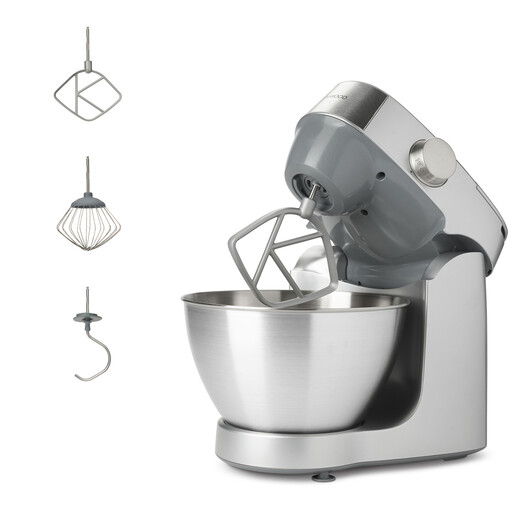 Image unavailable
Consider this model if you want a stand mixer for one cheesecake and need to assess how it will fit in your kitchen. Its stated bowl capacity is 4.3L and its motor rating is 1000W; check the usable bowl guidance against your recipe quantity.
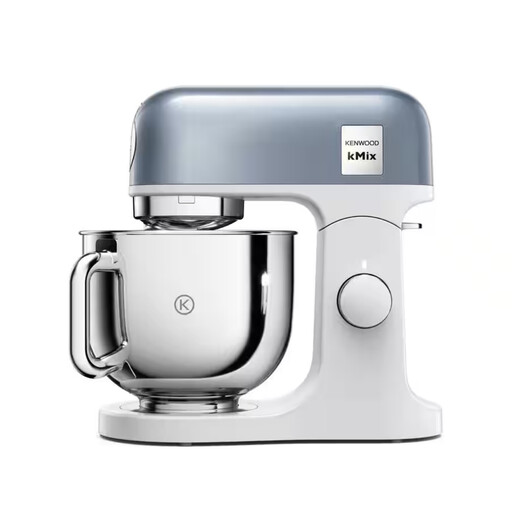 Image unavailable
Consider this model if you regularly prepare larger fillings or need gentle incorporation for a recipe. Before choosing it, check the bowl against your batch size and make sure you have convenient space to use, lift and store the mixer.
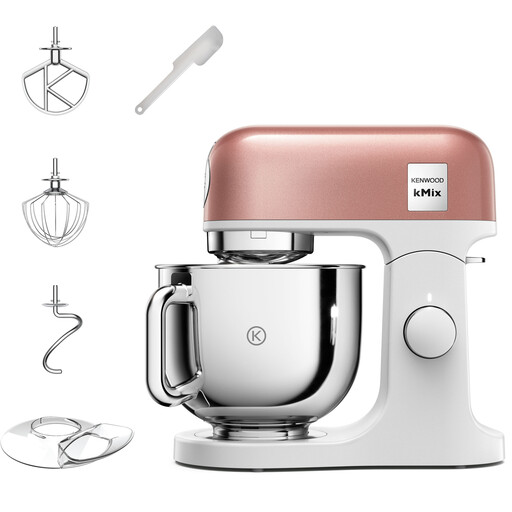 Image unavailable
Consider this variant if your cheesecake recipe calls for separate whipping and mixing stages. Check its included tools and speed options for those steps, and confirm its weight and storage clearance if you plan to put it away between uses.
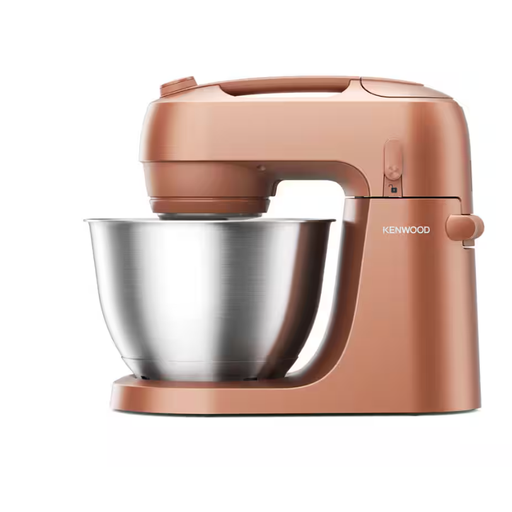 Image unavailable
Consider this model when worktop or cupboard space matters alongside the tools needed for cheesecake filling. Check your recipe quantity against its bowl guidance and whether lifting the mixer in and out of storage will be comfortable.
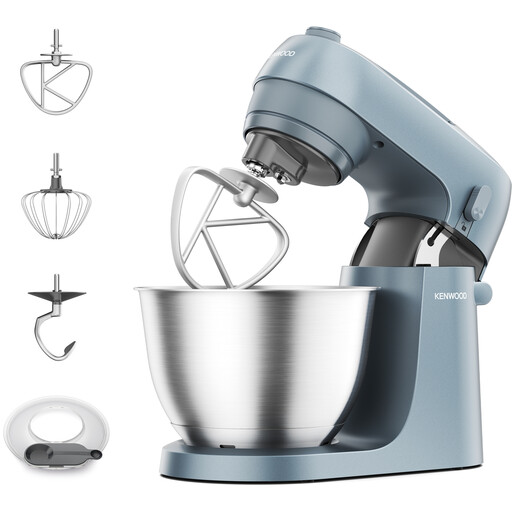 Image unavailable
Consider this model if you usually make one cheesecake and have limited storage space. Check the bowl’s usable capacity against your recipe yield before choosing a smaller-bowl mixer.
Use the attachment your recipe calls for: a whisk for whipping cream, or a beater, paddle or stirrer for combining a thicker cream-cheese mixture. Before buying, check that the exact mixer variant includes the tools your recipe needs.
A 3.8L bowl is a reasonable starting point to check for one home cheesecake, but the answer depends on your recipe yield and the mixer’s usable-capacity guidance. If you routinely prepare several desserts, compare larger bowls without treating their nominal litres as a mixing guarantee.
No. A stand mixer prepares the filling but does not chill the finished cheesecake. GOV.UK advises a fridge temperature of 0–5°C and keeping chilled food out of refrigeration for as little time as possible during preparation; arrange chilled transport and follow the dessert’s storage instructions.