
24/7 Customer Support

Free returns

Same-day & Next-day Delivery

Quality Guaranteed

Unlock Your Welcome Offers: FREE Delivery | Up to 80% OFF | Free 30-day JoyPlus trial
Download the APP
Buying tinned beans and pulses looks straightforward, but the shelf can hide important differences. A 400g tin may contain a generous amount of food, yet the drained weight, salt level, sauce ingredients and storage instructions can vary considerably. Dried beans, frozen edamame and tinned beans also suit different cooking routines.
For UK households, the right choice depends less on attractive packaging and more on how the product will be used. Whether you are preparing toast for breakfast, a quick curry after work or a large batch of soup, checking a few details can prevent waste and disappointing meals.
Water and sauce contribute to the stated net weight. For beans in water, compare the drained weight where it is provided. This gives a more useful idea of how much ingredient you will actually use in a salad, stew or chilli.
Dried beans require a different calculation. A 400g bag can expand substantially after soaking and cooking, but it also needs planning, water and cooking time. Tinned beans are usually more convenient for busy families, while dried beans may suit batch cooking and recipes where texture can be controlled.
Beans and pulses are widely used as high-fibre foods and sources of plant-based protein, but the figures differ by type and preparation. Cirio Baked Beans, for example, list 3.5g of fibre and 3.8g of protein per 100g, while Cooks & Co 5 Bean Mix lists 7.9g of fibre and 6.9g of protein per 100g drained.
Sauce can also add sugar and salt. Plain chickpeas, kidney beans or butter beans in water generally give you more control over seasoning than baked beans in tomato sauce. Always read the nutrition panel rather than relying on front-of-pack wording.
Legumes are not automatically allergen-free. Soybeans, including edamame and dried soya beans, must be checked carefully by anyone avoiding soya. Some products may also carry “may contain” warnings. TT Beansprouts In Water, for instance, lists sulphites.
Once opened, do not leave beans in the tin. Transfer leftovers to a covered, non-metallic container and refrigerate according to the label. Several products in this range recommend consuming opened contents within two or three days.
For the most flexible pantry ingredients, look for a short ingredient list such as beans, water and perhaps salt or ascorbic acid. This is useful for:
Baked beans are a different category. They are ready to heat and serve, but tomato sauce may include sugar, starch, vinegar, spices and salt. Choose them when convenience and flavour are more important than using beans as a neutral ingredient.
Use the same basis when comparing products. A label showing values “per 100g drained” should not be compared directly with one showing “per 100g as consumed” without allowing for the difference.
Morrisons Red Split Lentils list 7.4g of protein and 6.1g of dietary fibre per 100g as consumed. The product also notes that 30g of uncooked lentils produces approximately 80g when cooked. This makes it suitable for measuring portions before cooking.
For family packs, also check the per-tin or per-half-tin figures. Heinz Baked Beans in Tomato Sauce 4 x 415g list 4.8g of protein per 100g, while the pack contains four tins for convenient cupboard storage.
Tinned beans are generally ready to use after draining and rinsing, although heating instructions still apply for hot dishes. Dried beans require soaking and thorough cooking. Huaseed Mung Beans, for example, instruct users to soak before simmering until soft. X.O Green Mung Bean also provides soaking and cooking guidance and states that raw or undercooked beans should not be consumed.
Frozen products need freezer space and should not be refrozen after thawing. Yutaka Ready Salted Edamame must be kept at -18°C and cooked thoroughly before eating. This is convenient for Asian-inspired dishes and snacks, but it is not a shelf-stable substitute for tinned or dried pulses.
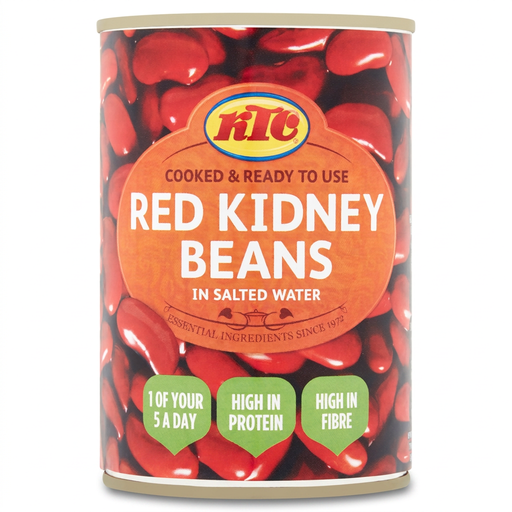
Why This Fits Their Persona: A cooked, ready-to-use option for first-time pulse buyers preparing chilli, salads or quick weekday meals.
The drained nutrition panel makes comparison easier, while the simple water, beans and salt recipe avoids a strongly flavoured sauce.
Cooked and ready to use; per 100g drained, the label lists 4.3g fibre and 4.6g protein.
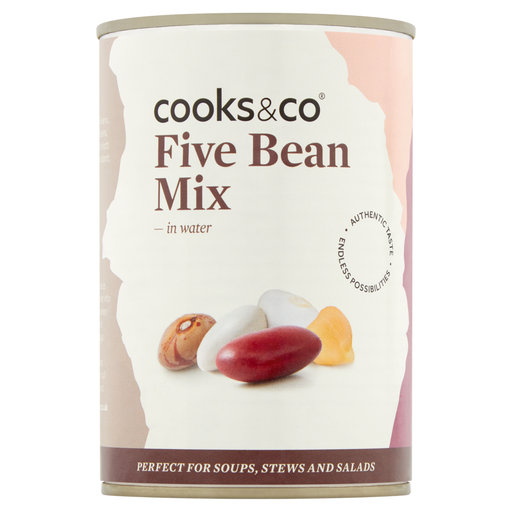
Why This Fits Their Persona: Suitable for cooks who want varied colours and textures without opening several separate tins.
The drained nutrition information prevents the water weight from inflating comparisons, and the ingredients identify the bean varieties included.
Contains white beans, chickpeas, lima beans, kidney beans and borlotti beans; certified by the Vegetarian Society according to the product information.
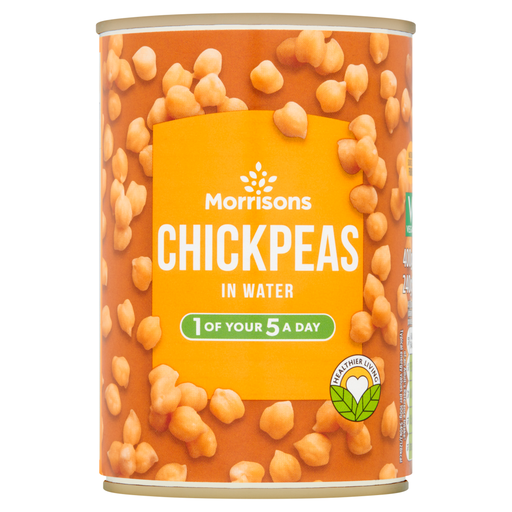
Why This Fits Their Persona: A practical staple for households making hummus, curries, soups, salads and roasted chickpea dishes throughout the week.
It is packed in water rather than a seasoned sauce, so you can rinse, season and cook it for different recipes.
The label states two portions per 400g tin; per 100g drained, it lists 4.1g fibre and 7.4g protein.
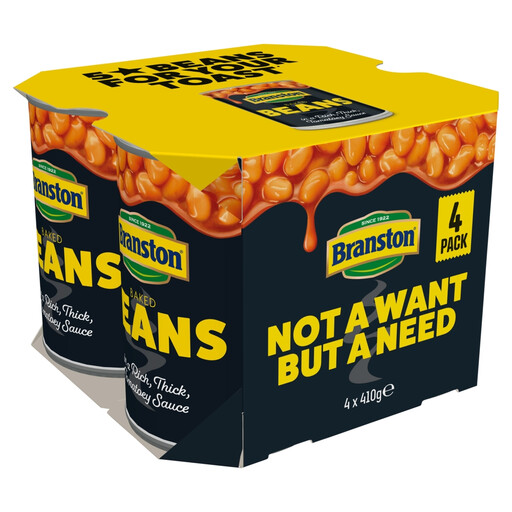
Why This Fits Their Persona: A multi-tin format for breakfasts, jacket potatoes, toast and simple family sides.
The four-tin pack makes quantity clear, while the nutrition panel shows sugar, fibre, protein and salt per 100g and half tin.
The product information identifies it as vegetarian and gluten-free; unopened tins can be stored in a cool, dry place.
We have compiled a complete, real-time list of products that fully satisfy these strict selection criteria and UK safety regulations.
Many tinned beans, chickpeas and baked beans are cooked and ready to use, but check the label for preparation instructions. Drain and rinse beans in water if preferred, then heat them thoroughly when adding them to hot dishes. Dried beans, mung beans and soya beans require soaking or cooking and should not be eaten raw or undercooked.
Follow the individual packaging instructions. Common guidance in this range is to transfer leftovers to a non-metallic, airtight container, refrigerate and consume within two to three days. If the product develops an unusual smell, appearance or texture, discard it.
Dried beans can offer a lower cost per cooked portion, particularly for larger households, but they require soaking, cooking time and more kitchen planning. Tinned beans cost more per ready-to-use portion but reduce preparation time and washing-up. Compare the price per drained or cooked weight where available, rather than comparing pack prices alone.