
24/7 Customer Support

Free returns

Same-day & Next-day Delivery

Quality Guaranteed

Unlock Your Welcome Offers: FREE Delivery | Up to 80% OFF | Free 30-day JoyPlus trial
Download the APP
A yoga mat can look suitable online yet feel uncomfortable, unstable or difficult to store once it arrives. The right choice depends on more than colour and price. UK shoppers should compare thickness, surface grip, material, size and cleaning requirements before buying a mat for yoga, Pilates, stretching or home workouts.
The most common buying mistakes are easy to avoid:
Thickness affects comfort, stability and portability.
A thick yoga mat is not automatically more supportive. Consider whether your routine includes standing poses, Pilates, ab exercises or mostly seated and lying movements.
Look for a textured or embossed surface and check whether the mat is described as non-slip on one side or both sides. A double-sided texture can help the mat stay in place on a clean, level floor, while a patterned upper surface may provide traction under hands and feet.
For hot yoga, remember that sweat can change grip. Wipe the mat after use and allow it to dry fully. Place it on a clean, dry, non-abrasive surface and stop using it if the material becomes damaged.
A cork yoga mat may become easier to grip when slightly damp, according to its product description, but this does not remove the need for caution during sweaty sessions.
Common materials include:
Standard yoga mat dimensions are commonly around 183 cm long and 61 cm wide, while some products are 68 or 72 inches long. Taller users should check the length before purchasing. For UK households, also consider where the mat will dry and whether it can fit inside a cupboard or under furniture.
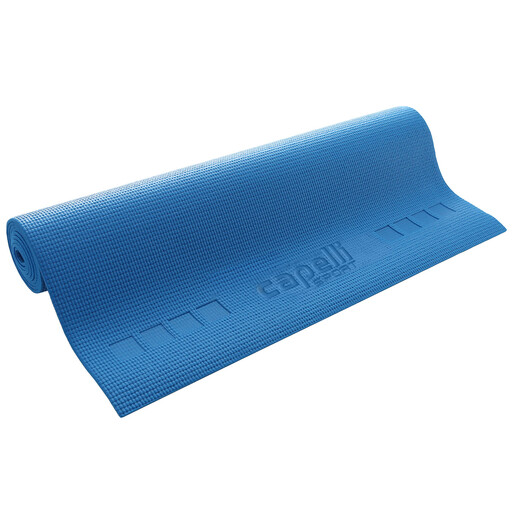
Why This Fits Their Persona: A straightforward option for beginners practising yoga, Pilates or floor workouts at home or in a UK gym.
Its 4 mm thickness avoids the unnecessary bulk of a very thick mat, while the embossed surface is specified for traction.
PVC construction, 68 x 24 inch dimensions, cushioned embossed surface and wipe-clean care.
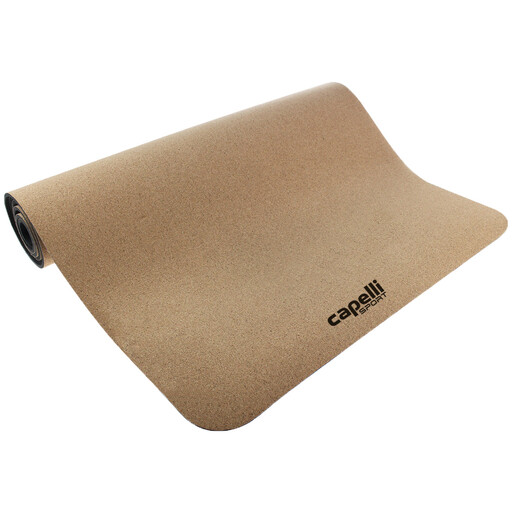
Why This Fits Their Persona: A considered choice for users who prefer a cork surface and regularly practise yoga, Pilates, stretching or heated sessions.
The material specification clearly identifies a cork top and TPE base rather than relying only on broad sustainability wording.
5 mm thickness, 61 x 183 cm size, cork upper surface and TPE underside.
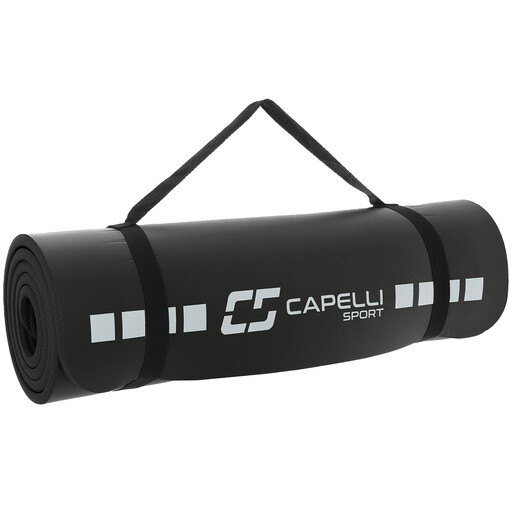
Why This Fits Their Persona: Designed for users who prioritise cushioning during gym workouts, floor fitness and movement-based training.
The 1.2 cm thickness is stated clearly, helping shoppers distinguish a cushioned exercise mat from a thinner yoga mat.
NBR foam, textured surface, 61 x 183 cm dimensions and included elastic carry strap.
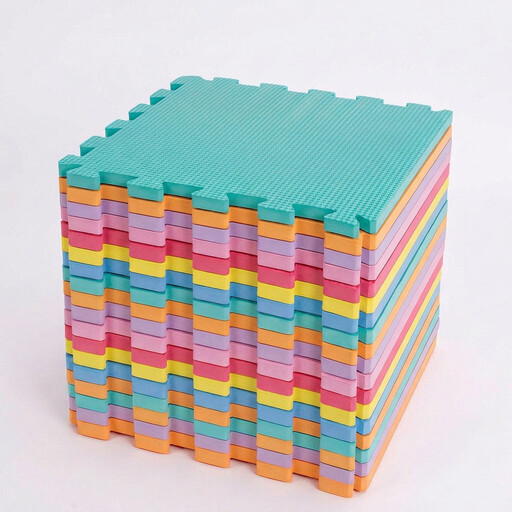
Why This Fits Their Persona: Useful for parents, teachers, home gyms and anyone who needs to cover a larger floor area rather than use one rolled mat.
The 18-piece quantity and interlocking format make the coverage area clearer than a single-mat listing.
Non-toxic EVA foam is specified, with 18 12-inch squares and 27 edge pieces for flexible assembly.
We have compiled a complete, real-time list of products that fully satisfy these strict selection criteria and UK safety regulations.
To extend the usable life of yoga mats:
A mat does not have a fixed lifespan. Replacement depends on frequency of use, storage conditions, body weight, footwear and the type of exercise. If the surface becomes uneven, damaged or persistently slippery, replacing it is more sensible than continuing to use it.
They can provide more cushioning for knees, hips, elbows and floor-based exercise, but extra thickness may reduce balance stability. Choose 3–4 mm for portability and standing work, 5–7 mm for mixed routines or around 10–12 mm when cushioning is the main priority.
Clean both the floor and underside of the mat, then place it on a dry, level surface. Avoid rugs that move underneath it. A textured underside or interlocking foam floor mats may help, but no surface should be treated as slip-proof when wet.
Yes, provided the dimensions, grip and cushioning suit the movements involved. A Pilates mat or fitness mat may be thicker than a traditional yoga mat, while a cork yoga mat can suit users who prefer a firmer, textured surface. Check the product’s material, size and care instructions before purchase.