
24/7 Customer Support

Free returns

Same-day & Next-day Delivery

Quality Guaranteed

Unlock Your Welcome Offers: FREE Delivery | Up to 80% OFF | Free 30-day JoyPlus trial
Download the APP
Navigating the baby food aisle can feel overwhelming. With shelves packed with colourful pouches, pots and snacks, all promising wholesome goodness, it is difficult to know which options are genuinely right for your little one. As parents, we want convenient, nutritious and safe food, but marketing messages can often create confusion.
My role as a Joybuy Product Recommendation Officer is to help you see past the hype. This guide will highlight common purchasing pitfalls and break down the essential factors to consider, helping you make confident choices for every stage of your baby’s weaning journey.
Many well-intentioned parents find themselves buying products that are not as suitable as they first appear. Here are three common traps to watch out for:
To choose with confidence, focus on these three key parameters rather than just the front-of-pack claims.
The back of the pack tells the real story. A shorter ingredients list is often a good sign, indicating fewer processed components.
A baby's feeding skills develop rapidly, and the food texture should support this.
Beyond basic ingredients, some products offer added nutritional benefits that are important for growing bodies.
Based on these practical criteria, here are some options tailored to different parenting needs and weaning stages.
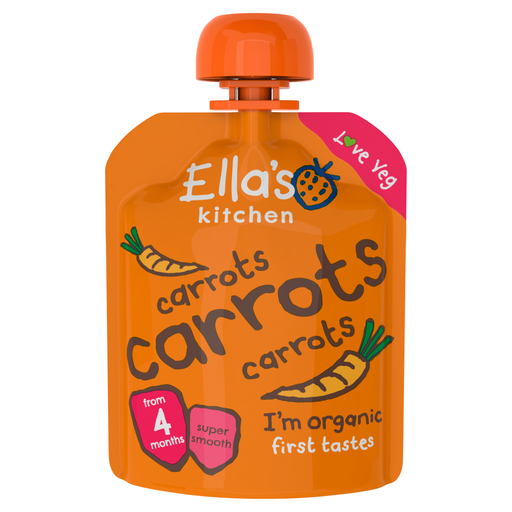
Why This Fits Their Persona: Ideal for parents starting the weaning journey who want a simple, single-ingredient food to introduce new tastes gently. Its smooth texture is perfect for babies from 4 months.
This pouch avoids the "healthy halo" trap by being exactly what it claims: 82% organic carrots and water. There are no hidden fruits or sugars, making it a true single-vegetable puree.
100% organic ingredients and a perfectly smooth texture for stage 1 baby food. It helps develop a love for vegetables from the very start.
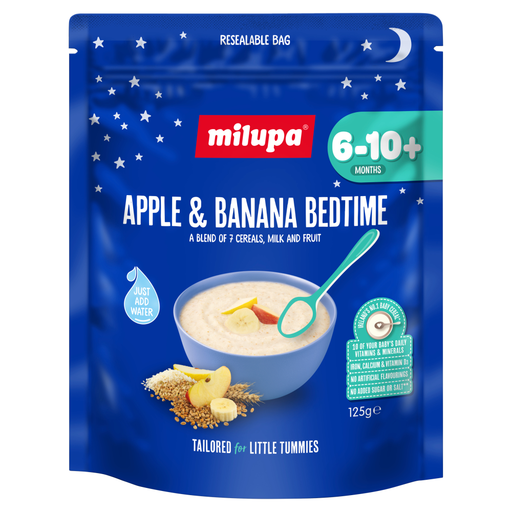
Why This Fits Their Persona: For parents seeking a convenient yet substantial meal to incorporate into a daily routine, like bedtime. It offers more than a simple puree, providing a balanced mix of grains, milk and fruit.
This is a fortified baby cereal, not just a fruit snack. It directly addresses the nutrition-convenience trade-off by providing high levels of iron and calcium, making it a nutritionally sound meal.
Fortified with iron for cognitive development and calcium for bones. The texture is tailored for babies from 6 months, helping them progress with weaning.
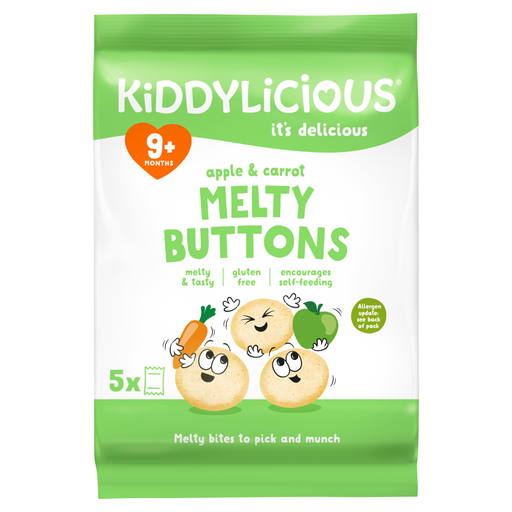
Why This Fits Their Persona: Perfect for parents of babies 9+ months who are ready to practise self-feeding. These snacks are designed to be picked up by little hands and encourage hand-to-mouth coordination.
These melty buttons avoid the trap of confusing textures. They are specifically designed to dissolve easily, providing a safer introduction to finger foods for babies compared to harder snacks.
The melty texture is ideal for safe self-feeding. They are also gluten-free, dairy-free and come in portioned bags, making them a convenient and mess-free option for on-the-go **baby snacks**.
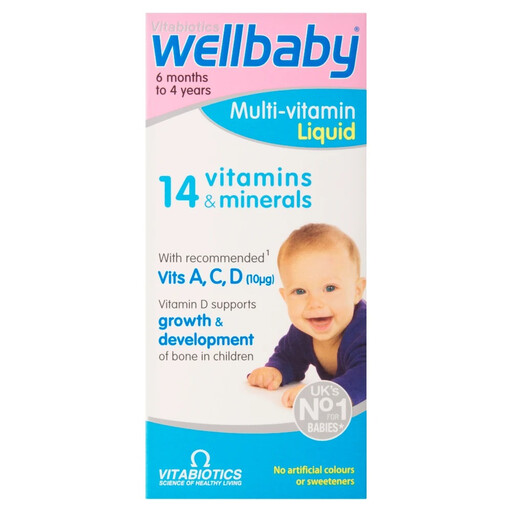
Why This Fits Their Persona: For parents who want to ensure their child receives a comprehensive range of nutrients, especially during periods of fussy eating or to complement a home-cooked diet.
This product provides a direct and honest solution to nutritional gaps. It is not a food making vague health claims, but a dedicated supplement designed to provide specific baby vitamins and minerals.
It contains 14 essential vitamins and minerals, including the government-recommended Vitamin D. The liquid format is easy to administer to children from 6 months to 4 years.
We have compiled a complete, real-time list of products that fully satisfy these strict selection criteria and UK safety regulations.
The most reliable way is to ignore the front and read the ingredients list on the back. Look for a high percentage of vegetables, especially if it is marketed as a vegetable pouch. Check that there is no added sugar or salt. A simple list of whole foods like 'Organic Apples (80%), Organic Spinach (20%)' is a much clearer indicator of quality than marketing claims.
Most babies are ready for soft finger foods for babies around 8-9 months, once they have developed their pincer grip (the ability to pick things up between their thumb and forefinger). Good starting options include soft-cooked carrot sticks, pieces of banana, or specially designed snacks like melty puffs or wafers that dissolve easily in the mouth to reduce choking risk. Always supervise your child when they are eating.
Choosing organic baby food is a personal preference. The main advantage is that the ingredients are grown without the use of synthetic pesticides and fertilisers, which many parents find reassuring. Whether you choose organic or not, the most important factors remain the nutritional content, the absence of added sugar and salt and an appropriate texture for your baby's developmental stage.