
24/7 Customer Support

Free returns

Same-day & Next-day Delivery

Quality Guaranteed

Unlock Your Welcome Offers: FREE Delivery | Up to 80% OFF | Free 30-day JoyPlus trial
Download the APP
Navigating the cat food aisle can feel overwhelming. With countless brands all promising the perfect meal for your feline friend, it's easy to fall for clever marketing. As a cat owner, you want to provide nutritious, high-quality food, but the labels can be confusing. Many find themselves spending money on products that don't live up to their claims, leaving both owner and cat disappointed.
This guide, from your Joybuy Product Recommendation Officer, is designed to help you cut through the clutter. We'll highlight a few common purchasing pitfalls and break down the essential factors to consider, helping you make a confident choice for your cat's health and happiness.
Before you add anything to your basket, be aware of these common traps that can lead to a poor purchase.
To ensure you're choosing a suitable food, focus on these key parameters.
The ingredients are listed by weight, so the first few items make up the bulk of the food. Look for a high-quality, named animal protein as the number one ingredient. A high meat cat food will clearly state "chicken," "salmon," "turkey" or "beef" rather than relying on generic derivatives. This is the single most important indicator of protein quality. Also, check for beneficial additions like taurine (essential for heart and eye health) and omega fatty acids for a healthy coat.
The choice between wet and dry food often comes down to your cat's preference, your lifestyle and specific health considerations.
A cat's nutritional requirements change throughout its life.
For cats with specific health issues, look for specialised formulas like hypoallergenic cat food, which avoids common allergens like dairy, soy and certain grains.
Here are a few options that align with the principles we've discussed, matched to different owner profiles.
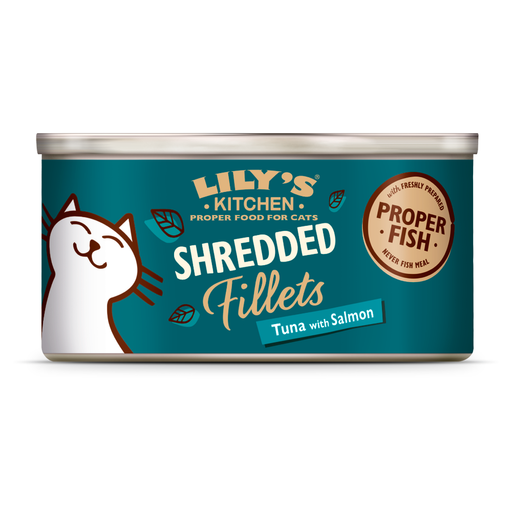
Why This Fits Their Persona: For the owner who reads every label and wants only recognisable ingredients. This food prioritises high-quality, named fish fillets and a simple, natural recipe.
It sidesteps the "meat derivative" trap by using 47% shredded tuna and 4% salmon fillets. It also avoids misleading "natural" claims with a clear grain-free recipe and no added sugar.
The shredded texture in broth is highly palatable for fussy eaters. It's a complete and balanced meal, so no additional supplementation is needed.
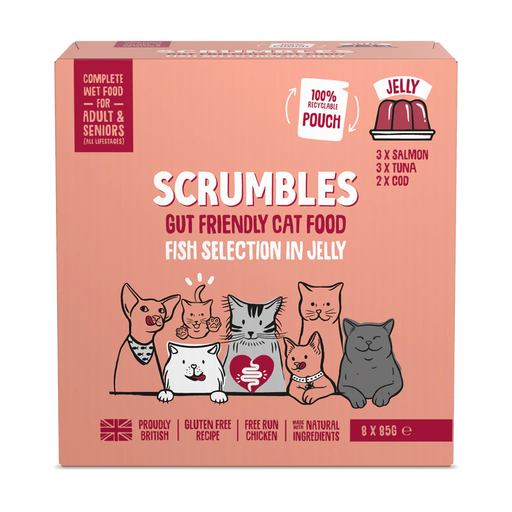
Why This Fits Their Persona: Ideal for the owner whose cat struggles with digestion. This food is specifically formulated to be gentle, with a hypoallergenic recipe and added prebiotics for gut health.
It goes beyond a simple "grain-free" label by being fully hypoallergenic and including 0.4% inulin (a prebiotic) to actively support digestion, addressing the root cause of sensitivity.
The inclusion of prebiotics promotes a healthy gut microbiome. The fish selection multipack provides variety to keep cats interested.
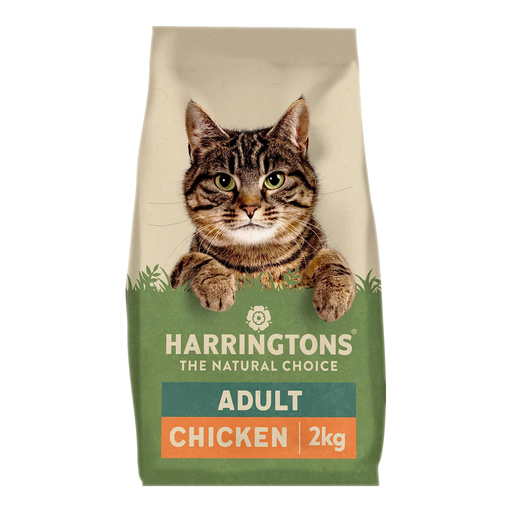
Why This Fits Their Persona: For the practical owner who wants the convenience and value of dry food without compromising on key quality markers. The 2kg bag offers a good balance of freshness and economy.
This food avoids common grain fillers like wheat by using sweet potato and peas. It also provides transparency by stating 28% chicken meal as a primary ingredient, a step up from vague derivatives.
It offers a grain-free recipe at an accessible price point. The inclusion of prebiotics (FOS) and yucca extract helps support healthy digestion.
We have compiled a complete, real-time list of products that fully satisfy these strict selection criteria and UK safety regulations.
1. How do I switch my cat to a new food? To avoid an upset stomach, you should transition your cat to a new food gradually. Start by mixing a small amount of the new food (around 25%) with their old food (75%). Over the course of 7-10 days, slowly increase the proportion of the new food until you have completely switched over.
2. Is wet or dry food better for my cat? Both have their benefits. Wet food is great for hydration and is often preferred by picky cats. Dry food is convenient, economical and its crunchy texture can help with dental hygiene. Many owners find that a mixed diet, offering both wet and dry food, provides a good balance of benefits.
3. How much food should my cat eat per day? The correct amount depends on your cat's age, weight and activity level. Every cat food package includes a feeding guide with recommended daily portions. Use this as a starting point and adjust as necessary to maintain a healthy body condition. If you are unsure, it is always a good idea to consult your vet.