Joybuy Insights

A Cat Owner’s Guide to Choosing the Right Cat Food

As a nation of cat lovers, we want to provide the very best for our feline companions. Yet, navigating the aisles of cat food can feel overwhelming. With countless brands, formulas and marketing claims, it's easy to feel lost. As the Joybuy Product Recommendation Officer, my role is to help you cut through the clutter and make informed choices. Before you buy, be aware of a few common pitfalls that can lead to confusion and wasted money.

  • The "Grain-Free" Hype: Many brands promote grain free cat food as the premium choice. While beneficial for cats with specific grain sensitivities, it isn't a universal requirement for all felines. Some grain-free formulas replace grains with high-carbohydrate fillers like potatoes or peas. The key is to assess the overall nutritional profile, not just the absence of one ingredient type.
  • Vague "Flavour" Labels: A bag labelled "with Tuna Flavour" might not contain as much fish as you think. UK regulations have specific meanings for terms like "flavour", "with", "rich in" and "dinner", which correspond to different minimum percentages of the named ingredient. Always check the composition list to see the actual percentage of meat or fish.
  • One-Size-Fits-All Nutrition: A playful kitten has vastly different energy and nutrient requirements than a sedate senior cat. Feeding an adult formula to a growing kitten can stunt development, while giving high-calorie kitten food to an older cat can lead to weight gain.

Key Factors to Check Before You Buy

To ensure you're selecting a suitable diet, focus on these core parameters rather than just the marketing on the front of the bag.

1. Decoding the Ingredient List

Ingredients on any pet food label are listed in descending order by weight. This means the first few ingredients make up the bulk of the food.

  • Look for a Named Protein Source First: The first ingredient should ideally be a specific animal protein, such as "Chicken", "Salmon Meal" or "Lamb". Terms like "Meat and Animal Derivatives" are more ambiguous and can vary in quality from batch to batch.
  • Assess the Carbohydrate Source: If you are choosing a dry cat food, it will contain carbohydrates to bind the kibble. Look for quality sources like sweet potatoes or whole grains and be mindful of the overall protein-to-carbohydrate ratio.
  • Complete vs. Complementary: Check if the food is labelled as "Complete" or "Complementary." A complete food provides all the necessary nutrients for a daily diet. Complementary foods, such as cat treats, are not nutritionally complete and should only be given in moderation alongside a balanced diet.

2. Matching Food to Your Cat's Life Stage

A cat's nutritional needs change dramatically throughout its life.

  • Kitten (Up to 1 year): Kittens require more calories, protein and specific nutrients like DHA for brain and eye development to support their rapid growth. Always choose a formula specifically labelled as kitten food.
  • Adult (1-7 years): Adult cat food is formulated for maintenance, providing a balanced level of protein, fats and calories to maintain a healthy weight and energy level. Brands like Whiskas cat food and Harringtons cat food offer a wide variety of adult formulas.
  • Senior (7+ years):Senior cat food is often lower in calories to prevent weight gain in less active cats. Many formulas also include ingredients like glucosamine and chondroitin to support joint health and are made with highly digestible proteins.

Our Top Product Recommendations

Based on these principles, here are a few options tailored to different types of cat owners and their companions.
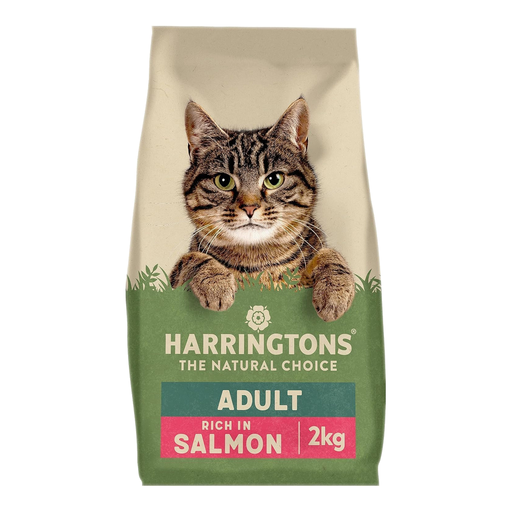
MATCH FOR: The Health-Conscious Owner
Harringtons Dry Cat Food Salmon 2kg

Harringtons Dry Cat Food Salmon 2kg

Why This Fits Their Persona: For the owner who scrutinises labels and prioritises high-quality ingredients, this food delivers. It's ideal for adult cats, especially those who may have sensitivities or whose owners prefer a grain-free diet.

How It Avoids the Trap

It avoids the vague "flavour" trap by clearly stating 28% salmon meal as a primary ingredient. As a grain-free cat food, it uses sweet potato and peas as alternatives, providing a balanced nutritional profile.

Key Advantage & Pros

Rich in Omega-3 fatty acids from salmon oil to support skin and coat health. Contains prebiotics (FOS) to aid digestion.
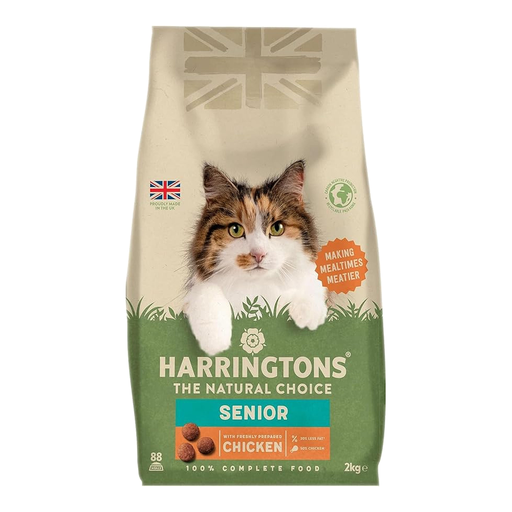
MATCH FOR: The Senior Cat Carer
Harringtons Senior Dry Cat Food Chicken 2kg

Harringtons Senior Dry Cat Food Chicken 2kg

Why This Fits Their Persona: This is for the devoted owner of a cat in its golden years (7+). Their priority is maintaining mobility, digestive health and overall comfort for their ageing companion.

How It Avoids the Trap

It directly counters the "one-size-fits-all" pitfall by being specifically formulated as a senior cat food. The nutritional profile is tailored for older cats, not kittens or younger adults.

Key Advantage & Pros

Includes glucosamine and chondroitin sulphate to support joint health. The grain-free recipe with prebiotics is designed to be gentle on a senior cat's digestive system.
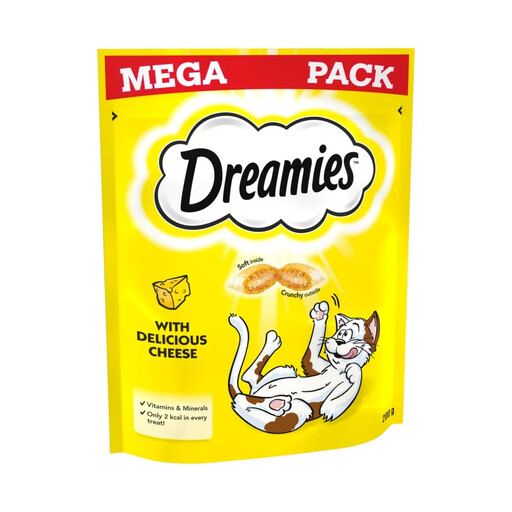
MATCH FOR: The Frequent Treat Giver
Dreamies Cat Treat Biscuits with Cheese Mega Pack 200g

Dreamies Cat Treat Biscuits with Cheese Mega Pack 200g

Why This Fits Their Persona: Perfect for the owner who loves to interact with and reward their cat throughout the day. They need a go-to treat that's appealing to the cat but won't lead to excessive weight gain. These are classic, popular healthy cat treats.

How It Avoids the Trap

These are clearly a complementary food, not a complete meal. At only 2 kcal per treat, they allow for responsible treating without unbalancing the cat's main diet, provided the feeding guidelines are followed.

Key Advantage & Pros

The 200g mega pack offers good value for money for daily use. The dual-texture (crunchy outside, soft inside) is highly palatable for most cats.

Looking for More Options?

We have compiled a complete, real-time list of products that fully satisfy these strict selection criteria and UK safety regulations.

Frequently Asked Questions

How do I safely switch my cat to a new food?

To avoid digestive upset, transition your cat to a new food gradually over 7-10 days. Start by mixing a small amount of the new food (around 25%) with their old food (75%). Every couple of days, increase the proportion of the new food while decreasing the old until you have fully switched over.

Are more expensive cat foods always a better choice?

Not necessarily. Price can be influenced by marketing, packaging and import costs, not just ingredient quality. The most important factor is the nutritional information and the ingredient list. A mid-priced food with a high-quality, named protein source as the first ingredient is often a more sensible choice than a very expensive one with exotic but nutritionally similar ingredients.

How can I tell if my cat doesn't agree with their new food?

Look for changes in their behaviour and physical condition. Signs that a food may not be suitable can include a sudden loss of interest in eating, digestive issues like vomiting or diarrhoea, excessive scratching or a dulling of their coat. If you notice any of these signs after a food change, it is advisable to switch back to the old food and consult with a veterinarian.