For coursework, applications, forms and video calls, start with a supported laptop or desktop, a physical keyboard and a reliable connection. Choose a laptop if you need to work in several places; a desktop suits a fixed workspace, while a tablet should be your main study device only if every required service and application works on it. For a refurbished Windows computer, check the exact model, software support and condition before buying.
Who this is for
People studying or applying for work in several places
If you write coursework, complete applications, use online forms and occasionally join video calls away from one fixed desk, you need to check both portability and the software your course or prospective employer requires. University College London advises students to have regular access to a laptop or desktop rather than rely on a mobile device alone.
People considering a refurbished computer
If limiting the initial spend is your priority, the exact model, supported operating system, battery and charger condition, and sales terms matter more than a general condition label. Microsoft's software requirements and Citizens Advice's guidance on faulty second-hand goods provide useful starting points for those checks.
People whose connection limits online tasks
If your computer can handle forms and documents but the connection interrupts applications or calls, assess connectivity before replacing the device. Ofcom offers postcode-level information on fixed broadband and mobile coverage, although conditions inside a particular home may differ.
What matters when choosing
Laptop
Choose when: You need to write, complete forms or join calls across home, a library and other study or job-search locations.
Consider: Check the screen, keyboard and required software against the way you will use it, rather than choosing on portability alone.
Desktop
Choose when: Most writing and online activity happens at one workspace where you can set up a screen and keyboard.
Consider: Check which peripherals are included, particularly a webcam and microphone if you will join calls; a desktop will not travel with you.
Tablet with keyboard
Choose when: Your required sites and apps work on the tablet and reading, browsing and light document work are the main tasks.
Consider: University College London warns that a mobile device alone is not enough for effective study; check desktop-software and extended-typing needs before relying on a tablet.
| Concern |
What to check |
Who this matters to |
| Everyday computer capability |
Confirm required course or employer software, browser access and call equipment. University College London gives 8 GB RAM and a 256 GB SSD as a general study reference; individual programmes can require more. |
I need to write coursework or applications without relying on a phone or tablet for documents and calls. Around 42% of consumers put a suitable everyday computer first. |
| Condition and software support |
For a refurbished Windows device, check the exact model's Windows 11 eligibility, battery and charger condition, and written warranty and return terms. |
I want to limit what I spend initially, but not end up with a computer whose software or worn components prevent the work I bought it for. Roughly 33% of consumers prioritise purchase condition and continued support. |
| Connection at the point of use |
Check fixed-broadband and mobile options for the address, then consider indoor signal, data allowance and the needs of simultaneous users. Ofcom's coverage predictions may differ from performance at a particular premises. |
My device can handle the task, yet an unreliable connection could interrupt an application or online meeting. About 25% of consumers place a usable connection ahead of changing the computer. |
Buying pitfalls
-
Assuming any refurbished Windows laptop will stay supported
Microsoft ended Windows 10 support on 14 October 2025. A laptop described simply as a Windows device is not necessarily eligible for Windows 11, which also has processor, memory, storage and firmware requirements.
Ask for the exact model and processor, confirm the installed Windows version and check eligibility against Microsoft's requirements. Do not treat an installation workaround as proof of continuing support.
If the computer cannot run the software you need on a supported system, you may need access to another suitable device.
-
Treating a tablet as a direct laptop replacement
A keyboard does not establish that course tools, desktop applications or document-handling tasks will work on a tablet. University College London says a mobile device alone is not sufficient for effective study.
Check your course, employer and essential-service requirements, including the actual sites and file types, before choosing a tablet as your main device.
Sustained typing may also call for a separate keyboard, and incompatible coursework may still require access to a computer.
-
Choosing broadband from national coverage claims
Ofcom cautions that predicted mobile coverage and service at a particular premises can differ. That distinction matters when calls or applications depend on the connection working indoors.
Check fixed and mobile options for the intended postcode, assess the signal where you will work and read the provider's cancellation terms before committing.
-
Confusing a seller's warranty with rights over faulty goods
Citizens Advice explains that faulty-goods rights can apply to second-hand purchases too. The circumstances matter: an identified fault or ordinary wear and tear is not assessed in the same way as an undisclosed fault.
Keep the listing and condition description, and check both the seller's warranty terms and the route for reporting a fault.
Brands to consider for these tasks
Lenovo
Lenovo's UK education catalogue covers laptops, desktops and tablets, giving you formats to compare for portable or fixed-location study.
- The catalogue also presents a certified-refurbished route.
- Lenovo's format descriptions are its own; check the individual model's software compatibility, ports, condition and warranty.
HP
HP's UK range includes Windows laptops and desktops across different configurations for everyday and business use.
- Individual HP listings give configuration details that can be checked against course or work requirements.
- Memory and storage vary by model; do not assume that one listed configuration describes the range.
Apple
Apple's Mac range includes portable MacBook Air models and the desktop Mac mini.
- These formats give macOS users a portable or fixed-location choice.
- Confirm that required course, employer and service software works on macOS before choosing a configuration.
Acer
Acer presents its Aspire laptops for everyday activities including browsing and study.
- The Aspire line includes configurations aimed at routine document and online tasks, according to Acer.
- Display, memory, storage and ports differ between variants, so check the exact model rather than the line name.
Laptops for study and online tasks
These Joybuy laptops offer portable-computer options for coursework, applications and everyday online activity. Check required software, connection and call equipment against your own routine; a desktop, refurbished device or connectivity change may address a different priority.
 No image available
ASUS Vivobook 14 X1407QA-LY003W, Snapdragon X, 16 GB, 512 GB SSD, Quiet Blue
Consider this laptop if you need to carry a computer between study or job-search locations.
Its named configuration has a Snapdragon X processor, 16 GB RAM and a 512 GB SSD. Check that required course or employer applications work with this processor before buying.
Joybuy
 No image available
ASUS Vivobook 15 X1504VA, Core 5 120U, 24 GB, 1 TB SSD, Cool Silver
Consider this laptop if a 15.6-inch screen fits your writing and online-task setup while you still need to move the computer.
The named configuration has an Intel Core 5 120U processor, 24 GB RAM and a 1 TB SSD. Confirm required application compatibility and expected unplugged use before relying on it away from a desk.
Joybuy
 No image available
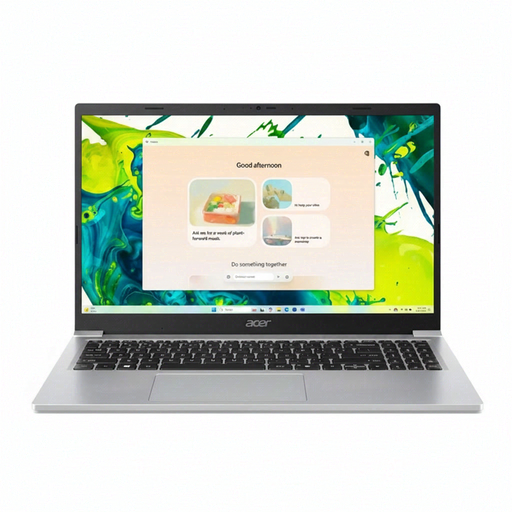
Acer Aspire Lite AL15-36P-C29Z, Intel N150, 8 GB, 128 GB SSD, Silver
Consider this laptop for everyday documents and online tasks if its storage and required applications meet your needs.
The named configuration has a 15.6-inch Full HD screen, Intel N150 processor, 8 GB RAM and a 128 GB SSD. Its storage is below University College London's 256 GB general study reference; also check whether required applications work with the stated Windows 11 Home in S Mode configuration.
Joybuy
 No image available
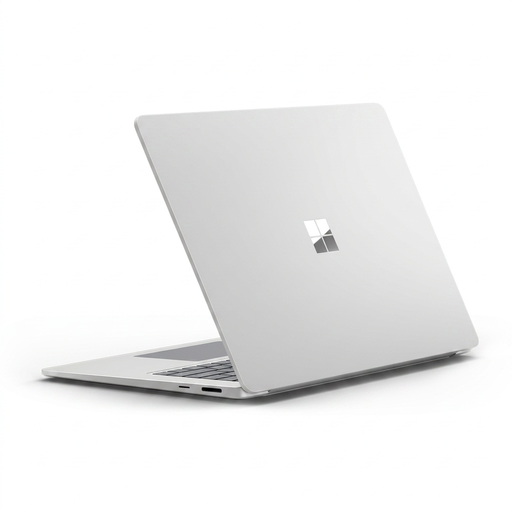
Microsoft Surface Laptop 7 15-Inch, Snapdragon X Elite, 16 GB, 256 GB SSD, Maya Color
Consider this portable computer if you want a 15-inch touchscreen for study and online tasks.
Its named configuration has a Snapdragon X Elite processor, 16 GB RAM and a 256 GB SSD. Confirm compatibility with required applications and check the warranty and return terms before buying.
Joybuy
 No image available
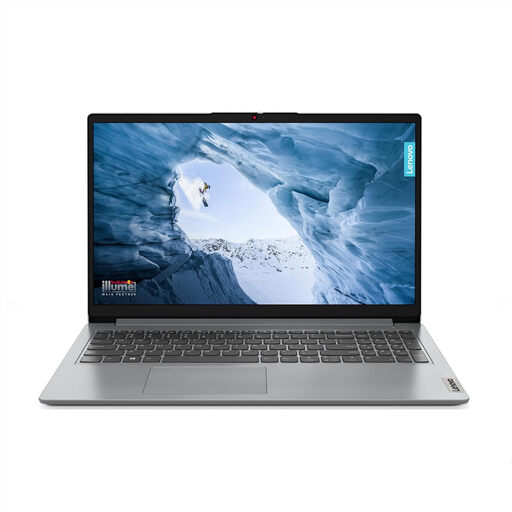
Lenovo IdeaPad 1 15-inch, Ryzen 3 7320U, 8 GB, 128 GB SSD, Cloud Grey
Consider this laptop for writing and applications if the available storage covers your files and software.
The named configuration has a 15-inch Full HD screen, AMD Ryzen 3 7320U processor, 8 GB RAM, a 128 GB SSD and Windows 11 Home in S Mode. Check required application compatibility and microphone provision if you need it for interviews or meetings.
Joybuy
Common questions
Is a tablet with a keyboard enough for study and job applications?
It can cover light browsing, reading and simple documents if every required site and app works on it. For study that needs desktop software, extensive writing or more involved file handling, arrange access to a laptop or desktop: University College London says a mobile device alone is not enough for effective study.
What should I check on a refurbished Windows laptop?
Check its exact model, Windows 11 eligibility and installed version, then assess the battery, charger, condition description, warranty and return terms. Microsoft ended Windows 10 support on 14 October 2025, and Windows 11 eligibility depends on more than a seller's generic Windows label. Citizens Advice explains that faulty-goods rights can also apply to second-hand purchases, subject to the circumstances of the fault.
How do I check broadband options at my address?
Use Ofcom's postcode checker to compare fixed-broadband availability and mobile coverage by provider. Check the connection where you will actually work if possible, because predicted coverage may differ from indoor performance, and review cancellation terms before depending on a new service.
What if my home cannot get a decent broadband connection?
Check whether you can request a connection under the UK broadband Universal Service Obligation. Ofcom defines a decent connection for this purpose as at least 10 Mbit/s download and 1 Mbit/s upload; eligibility and the outcome also depend on existing service, planned coverage and connection-cost conditions. Check the current rules for your address rather than assuming that the speed threshold alone qualifies it.


